
Tesla Reclaims Top Spot in China's Competitive November EV SUV Sales
Tesla Reclaims Top Spot in China's Competitive November EV SUV Sales
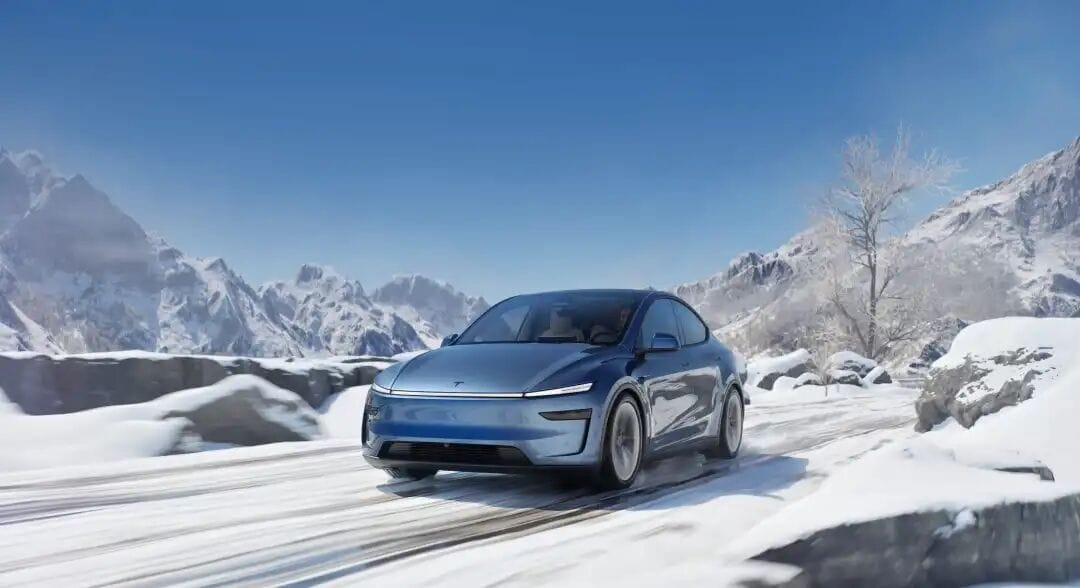
Tesla ‘s Model Y surged back to the number one position in China's competitive new energy SUV market in November, as automakers pushed to deliver vehicles ahead of an expiring purchase tax incentive. The reshuffle saw last month's leader, the Xiaomi YU7, drop to second, while Aito's M7 model climbed into the top three.
The sales figures, released by industry sources, highlight the sustained dominance of a few key models even as broader market growth shows signs of cooling. The performance of newer entrants like Xiaomi and deep-pocketed legacy automakers indicates intensifying competition for 2026.
A looming policy change is applying pressure across the industry. A significant national-level purchase tax exemption for new energy vehicles (NEVs) is set to be scaled back at the end of 2025. This has created a final sales window, prompting both consumer urgency and manufacturer delivery pushes.
The market environment at the end of 2025 is described as subdued, influenced by released pent-up demand, the approaching subsidy phase-out, and cautious consumer spending. Despite this, the resilience of top-selling models provided a bright spot in November's sales data.
Tesla Regains Momentum
After a production adjustment period typical for the start of a quarter, Tesla's Shanghai Gigafactory ramped up deliveries in November. The Model Y recorded sales of 47,132 units, a 5.7% year-on-year increase and a 141.9% surge from October, reclaiming the title of China's best-selling SUV.
The rebound was supported by strong wholesale figures and a strategic nudge to consumers. The China Passenger Car Association reported Tesla's wholesale volume for the Model Y reached 58,433 units in November. Mid-month, Tesla issued a notice warning that delivery times for the Model Y had extended to 4-13 weeks, making it likely some orders would miss the year-end deadline for the full tax break. This announcement, coupled with promotional financial offers, likely accelerated purchase decisions.
New Contenders Hold Ground
Despite being displaced by Tesla, Xiaomi's first car model demonstrated formidable staying power. The Xiaomi YU7 sold 33,729 units in November, largely flat compared to October, which the source attributes to ongoing production capacity constraints. The company has been working to shorten delivery times, with wait periods for some variants recently reduced. With a more performance-oriented YU7 GT variant reportedly in development, Xiaomi is positioning to sustain its challenge in the market.
Aito, the brand under Seres Group and backed by Huawei Technologies Co.'s smart car solutions, saw its revamped M7 model continue a rapid sales climb. Its November sales reached 25,264 units, up from 16,071 in October, securing third place. The company announced it had accumulated over 100,000 orders for the new M7 within 72 days of its late-September launch. To convert these orders before the policy change, Aito is reportedly maximizing production, with Seres Group claiming monthly capacity for the M7 now exceeds 30,000 units.
BYD's Strategic Shifts
BYD models occupied three spots in the top ten, but with mixed dynamics. The Sea Lion 06 ranked fourth with 25,093 units sold domestically, though its retail sales showed a slight sequential dip. Notably, BYD's official wholesale figure for the model was significantly higher at 35,081 units, suggesting a focus on inventory channel filling or export.
Export growth emerged as a key theme for BYD. The Yuan UP, ranking sixth with 20,628 domestic sales, saw its exports jump to 10,517 units. Similarly, the Song Pro, which entered the list at tenth place with 12,973 domestic sales, recorded even stronger export volume of 16,671 units. This aligns with BYD's broader international expansion, including the start of local production in Brazil.
Another bright spot was the Fangchengbao brand's Ti 7, a "square-box" styled urban SUV with off-road cues. In its second full sales month, it sold 24,019 units, a 20% month-on-month increase.
Pressure at the Gate
The lower half of the top-ten list revealed fierce competition for market share. Zeekr's C10 held eighth place with 15,390 units sold, boasting a nearly 70% year-on-year increase and surpassing 200,000 cumulative sales since its launch. Geely's Galaxy E5 saw a sequential improvement to 14,223 units, maintaining a stable presence.
The Aito M8, while still described as the best-selling model in China above the RMB 400,000 (approx. US$55,000) price point regardless of powertrain, saw its sales decline to 16,284 units. Its position faces future challenges from expected major updates to the Li Auto L-series and Xiaomi's planned entry into the extended-range electric vehicle market.
The Final Sprint
As the definitive deadline of December 31 approaches, the sales push is expected to continue. The industry views November and December as a "final window" for both consumers and automakers to benefit from the current incentive structure.
The outlook for 2026 remains intensely competitive. Major product refreshes from several brands and new model launches are anticipated, setting the stage for another year of rapid evolution and rivalry in the world's largest electric vehicle market, even as the overall subsidy environment becomes less supportive.