
Transsion Holdings Faces Worst Year on Record as Memory Price Surge Hits Low-Cost Phone Model
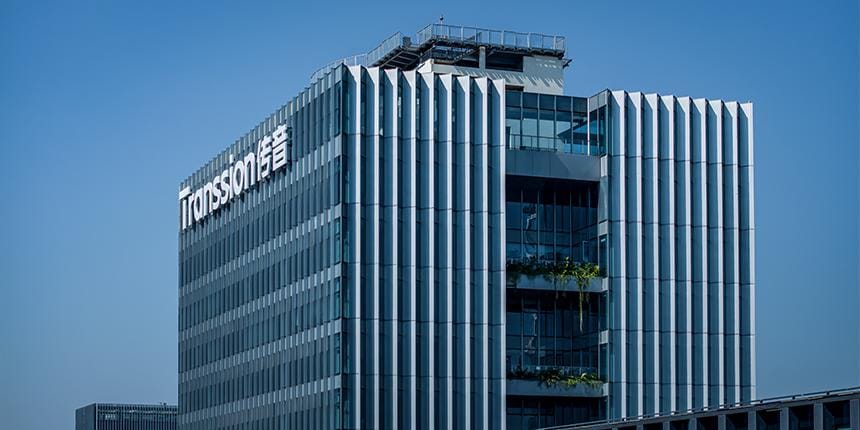
Transsion Holdings, the leading mobile phone vendor in Africa, reported its steepest profit decline since going public in 2019, with net income plunging by half in 2025 as surging memory chip prices squeezed margins on devices that sell for as little as 50 yuan ($7).
The Shenzhen-based company said it expects revenue to fall 4.58% to approximately 65.6 billion yuan (US$9.1 billion) for 2025, while net profit attributable to shareholders is projected to drop 54.11% to 1.347 billion yuan (US$184.7 million). The decline marks a reversal from years of steady growth and represents the company's worst annual performance since its Science and Technology Innovation Board listing.
Transsion attributed the downturn primarily to escalating costs for memory and other components, which compressed product margins. The company also cited increased spending on sales, marketing and research and development to counter intensifying competition in its core markets. Industry analysts point to additional pressures including weakening demand in emerging economies and aggressive expansion by rivals including Xiaomi and Honor Device.
The results underscore mounting challenges for manufacturers focused on entry-level segments as component shortages drive up prices industry-wide. Counterpoint Research data shows DRAM and NAND flash memory prices surged more than 40% in the fourth quarter of 2025, with further increases of 40% to 50% expected in the first quarter of 2026.
Memory Shortage Hits Budget Segment Hardest
The global memory price surge has disproportionately impacted Transsion due to its ultra-low average selling prices. Company data shows its overall phone average selling price stood at just 332.1 yuan in the first half of 2025, while feature phones averaged a mere 50.1 yuan. This leaves minimal margin to absorb component cost increases that high-end manufacturers can more easily pass through to consumers.
The memory crunch stems from AI data centers consuming massive storage chip orders, tightening supply for smartphone makers. Some manufacturers have already buckled under the pressure. In January 2026, Meizu Technology canceled plans to launch its Meizu 22 Air flagship model, with executives citing memory price increases as directly impacting both unit costs and broader business plans.
Tarun Pathak, research director at Counterpoint, noted that memory shortages and rising component costs are pushing smartphone prices higher globally. The firm has downgraded its 2026 global shipment forecast by 3%, projecting that vendors focused on lower price segments will face greater pressure than premium players like Apple Inc. and Samsung Electronics Co. Ltd., which benefit from stronger supply chain leverage.
Market Share Erosion in Core African Territory
Beyond cost pressures, Transsion faces accelerating competition in Africa and South Asia, its primary revenue sources. While the company maintained its number-one position in Africa during the third quarter of 2025, rivals are gaining ground rapidly. Omdia data shows Transsion's shipment growth in Africa reached 25% in the third quarter, but Xiaomi and Honor posted growth rates of 34% and 158% respectively.
The intensifying competition comes as global smartphone demand remains sluggish. Counterpoint's 2025 Global Smartphone Market Report indicates worldwide smartphone shipments grew just 2% year-over-year, slower than 2024's pace. Emerging markets that form Transsion's core customer base have experienced particularly weak consumer demand.
Liang Zhenpeng, a senior industry observer, identified multiple factors behind Transsion's struggles: anemic growth in global handset markets especially in emerging economies, intensified channel and product investments by competitors like Xiaomi squeezing Transsion's share, and the company's own challenges including rising costs, currency fluctuations and inventory pressures. He added that Transsion's push into premium segments has yet to generate meaningful scale.
Diversification Push Remains Nascent
To offset handset market headwinds, Transsion has expanded into adjacent categories including mobility and energy storage. The company established a mobility business unit exploring two-wheeled electric vehicles and related products, with insiders indicating rapid deployment across Africa and other developing markets.
Transsion's Hong Kong stock exchange prospectus disclosed two energy storage brands: itel Energy, targeting mass-market households and small commercial users with affordable products, and DYQUE Energy, offering premium solutions for high-end residential and commercial customers. From late 2025 through early 2026, the company posted numerous job openings for its energy storage division spanning product management, testing, sales, service and finance roles.
However, these new ventures contribute minimally to overall revenue. Transsion's prospectus groups internet-of-things products, energy storage and mobility into a single category that generated 2.57 billion yuan in the first half of 2025, representing just 8.8% of total revenue. That figure also includes laptops, tablets and home appliances, suggesting mobility and energy storage account for an even smaller share.
Handset sales still comprise roughly 90% of Transsion's revenue, meaning diversification efforts remain far from establishing a meaningful second growth engine. Liang suggested the company must consolidate its Africa localization advantages, deepen channel and service networks, accelerate technology upgrades and product innovation, and pursue breakthroughs in mid-to-high-end segments. He also recommended expanding into Southeast Asia and Latin America to relieve pressure on the core phone business, while strengthening research capabilities and brand value to compete against global industry leaders over the long term.