
TSMC Faces 3nm Capacity Squeeze on AI Boom, Outlines Global Expansion Plan
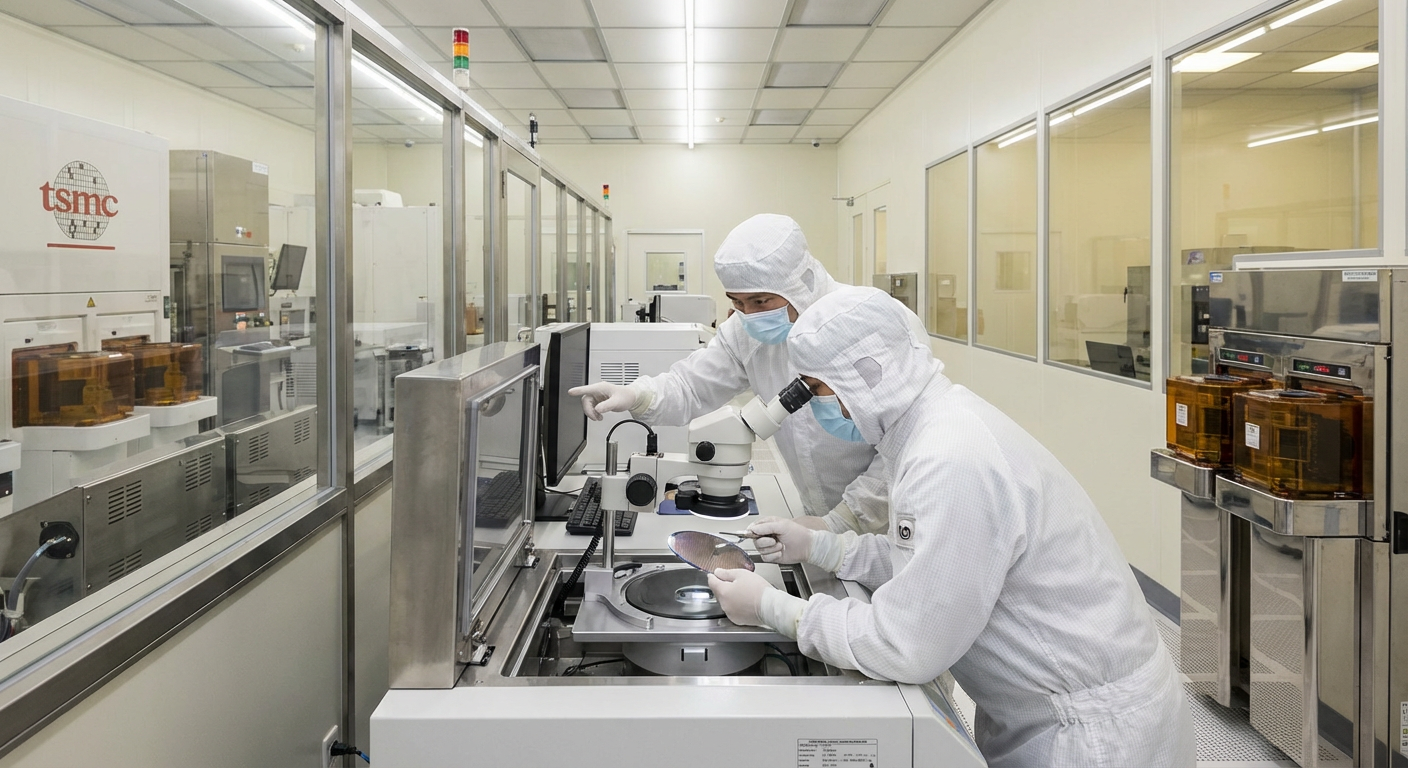
Taiwan Semiconductor Manufacturing is wrestling with severe capacity constraints at its cutting-edge 3-nanometer (N3) node, propelled by an unprecedented surge in global artificial intelligence chip demand.
During its latest 2026 earnings call, the foundry giant detailed an aggressive strategic roadmap to alleviate current supply bottlenecks. Management confirmed that the relentless build-out of AI infrastructure is outpacing existing production thresholds, prompting a structural shift in capacity allocation.
AI Megatrend Strains Advanced Foundry Lines
The continuous expansion of global data centers and the rapid integration of on-device AI capabilities have pushed TSMC's N3 manufacturing lines to maximum utilization. As silicon requirements for generative AI applications become increasingly complex and power-hungry, clients are aggressively competing for advanced node wafers. In response, TSMC is systematically outlining new capital expenditure plans to significantly augment its N3 production capabilities and maintain its dominant market share in the advanced semiconductor space.
Global Footprint Shifts Toward Advanced Nodes
To secure supply chain resilience and meet mounting geographical diversification demands from top-tier fabless clients, TSMC is accelerating its international manufacturing footprint. The company's second wafer fab in Arizona is now officially slated to begin volume production of 3nm chips in the second half of 2027. Following the US expansion, the Kumamoto facility in Japan is projected to initiate its own advanced mass production capabilities by 2028, signaling a permanent shift in how the world's most critical technological components are sourced globally.
Related Coverage:
TSMC's Overseas Fabs Tell a Tale of Three Regions: China Profits, Arizona Rebounds, Japan Bleeds