
US Halts Chip Equipment Shipments to Hua Hong Amid 7nm Breakthrough Attempts
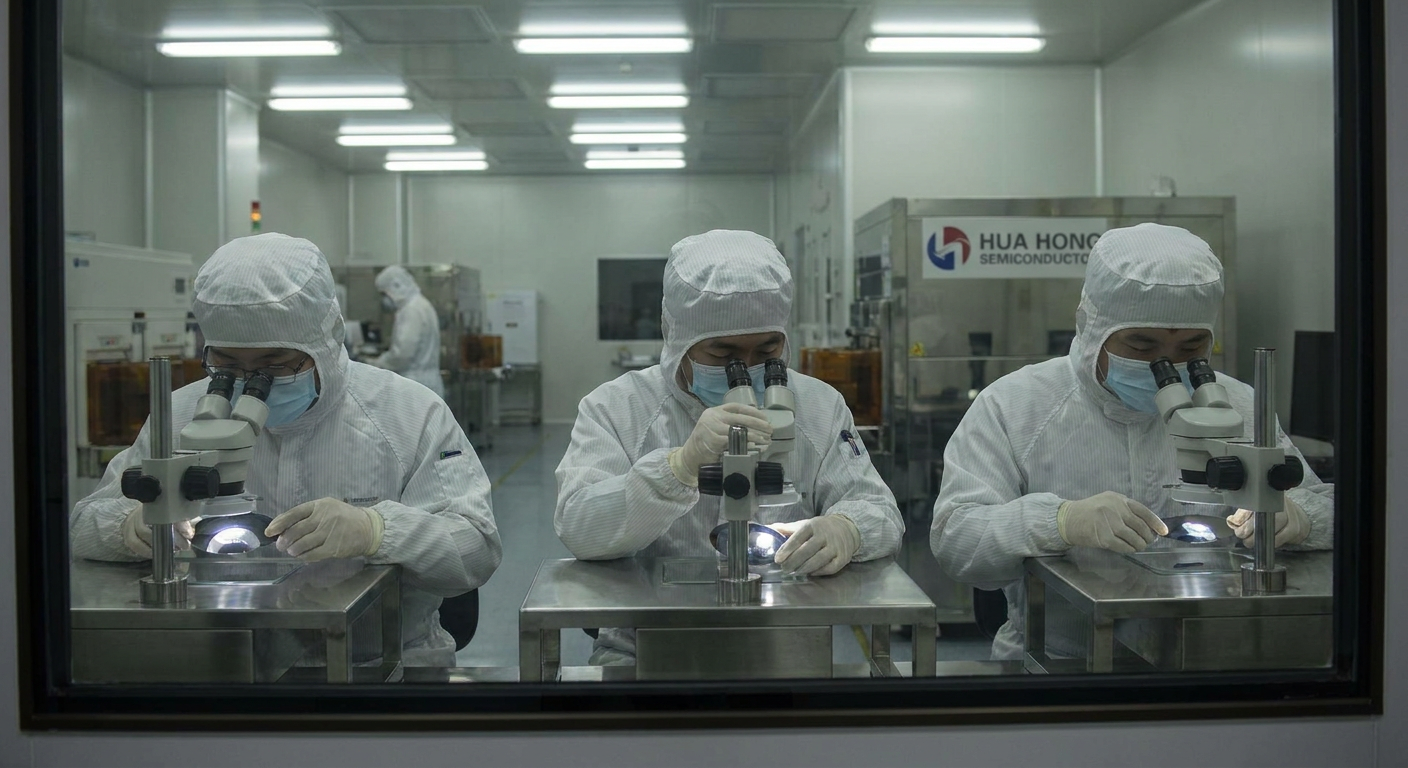
The United States has suspended shipments of advanced semiconductor manufacturing equipment to facilities operated by Hua Hong Semiconductor, China’s second-largest foundry, marking a significant escalation in Washington's efforts to cap Beijing’s domestic chipmaking capabilities in 2026.
The intervention specifically targets Hua Hong's recent strategic pivot toward developing 7-nanometer process technology. This move indicates that U.S. regulators are systematically closing technological loopholes after Semiconductor Manufacturing International successfully demonstrated similar advanced node capabilities in previous years.
Market reactions reflect growing concerns over supply chain bifurcations, as equipment suppliers face stricter compliance frameworks regarding end-use applications in the Chinese mainland. The blockade effectively disrupts Hua Hong's timeline for transitioning from specialty mature nodes to high-performance computing architectures.
Export Restrictions Target Advanced Capacity Expansion
The targeted equipment halt underscores a broader U.S. strategy to freeze China's semiconductor progression at legacy nodes. Hua Hong has historically focused on power discrete, analog, and power management integrated circuits using mature technologies. However, the foundry's aggressive capital expenditure directed at sub-10nm research and development triggered the latest round of Commerce Department interventions.
By restricting access to critical lithography and deposition tools, Washington aims to prevent the proliferation of 7nm production capacity across multiple domestic players. Analysts note that reproducing an advanced node ecosystem without tier-one international equipment suppliers will substantially inflate Hua Hong's R&D costs and stretch production timelines.
Supply Chain Disruptions Accelerate Localization
This equipment embargo forces the Chinese semiconductor sector into an accelerated reliance on domestic tooling alternatives in 2026. While Hua Hong's core revenue streams from mature nodes remain largely insulated in the near term, the lack of advanced foreign machinery structurally limits its long-term total addressable market in next-generation consumer electronics and AI accelerators.
Industry data suggests that the prolonged technology decoupling will prompt intensified state-backed investments into local equipment vendors. Nevertheless, bridging the yield-rate gap in 7nm commercial manufacturing remains a significant hurdle for Hua Hong as it navigates the tightening global trade architecture.