
US Jury Convicts Huawei on 10 of 12 Counts, Acquits It of Racketeering
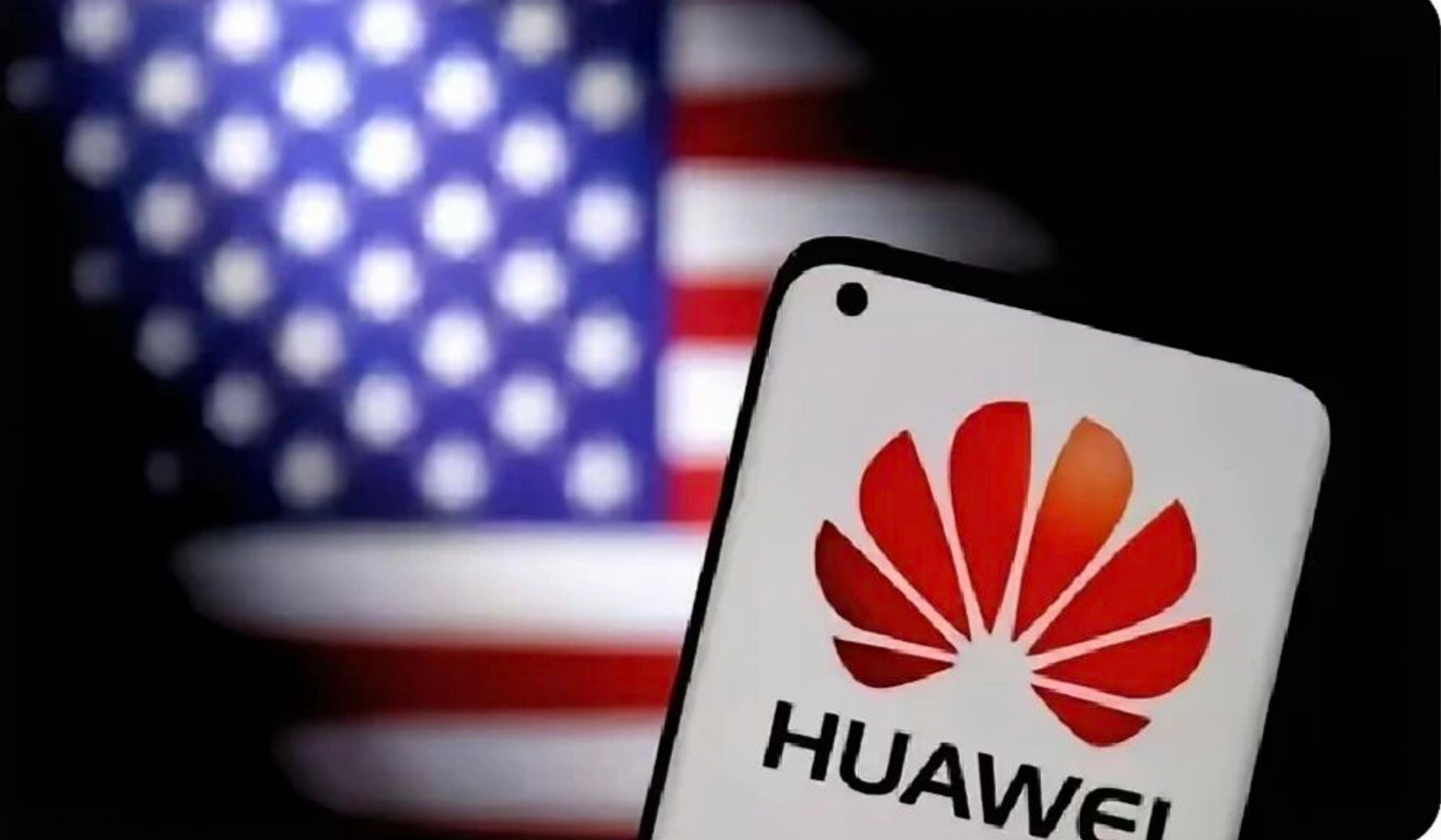
A federal jury in Brooklyn on Tuesday convicted Chinese telecommunications equipment maker Huawei Technologies on 10 of 12 criminal counts, including bank and wire fraud and conspiracy to steal trade secrets, and acquitted the company of racketeering conspiracy. The verdict, in the U.S. District Court for the Eastern District of New York, also cleared Huawei of conspiracy to obstruct justice, according to NBC News and the South China Morning Post. Huawei and three affiliates had faced the 12 charges.
In a statement dated Nov. 25, Huawei said it welcomed the racketeering acquittal and that the decision "confirms that these allegations lack factual basis and vindicates our consistent position over the past eight years." It said the remaining charges were "equally without legal or factual merit" and that it would "thoroughly review the relevant verdicts and take all necessary legal actions to defend our rights and interests."
The criminal case began in 2018. Prosecutors said Huawei deceived banks about its business in Iran and, in charges added in 2020, that it conspired to steal trade secrets from U.S. technology companies over two decades. According to Reuters, the 2018 indictment alleged that Huawei misled HSBC, Standard Chartered and BNP Paribas about its dealings in Iran. At trial, prosecutors presented evidence they said showed the theft of router source code from Cisco Systems, antenna technology from Quintel, and access to a circuit board developed by CNEX, as well as a video they said showed a Huawei employee placing part of a T-Mobile testing robot in a backpack.
Brian Heberlig, a lawyer for Huawei, told jurors that prosecutors had "cherry-picked" a handful of incidents to support a 20-year conspiracy claim and that the company had succeeded through "hard work, innovation, and investment in research and development," Reuters reported. In its statement, Huawei said the five trade-secret disputes cited by the government had been civil matters resolved over the past two decades, and that no court had found the company liable for willful intellectual-property misappropriation or ordered it to pay damages for trade-secret misappropriation.
The case became public in December 2018, when Huawei's chief financial officer, Meng Wanzhou, the daughter of the company's founder, was detained in Canada on a U.S. warrant. She later entered a deferred prosecution agreement; the charges against her were dropped. In 2019, the U.S. placed Huawei on a trade blacklist that restricted its access to American technology. The trial lasted more than two months, with prosecutors calling more than 60 witnesses and the defense calling 15, Reuters said. U.S. District Judge Ann M. Donnelly presided.
Huawei said it remains focused on serving customers and partners and on "ensuring continuous and stable business operations." This week it separately said devices running HarmonyOS 5, 6 and 7 had surpassed 100 million. The company, also a major smartphone supplier in China, said it operates in more than 170 countries and regions.
Related Coverage:
Huawei Says HarmonyOS Devices Top 100 Million
US Adds Megaspeed and an Alibaba Singapore Unit to the Entity List