
What happened to Labubu — and why Pop Mart’s boom turned into a bust
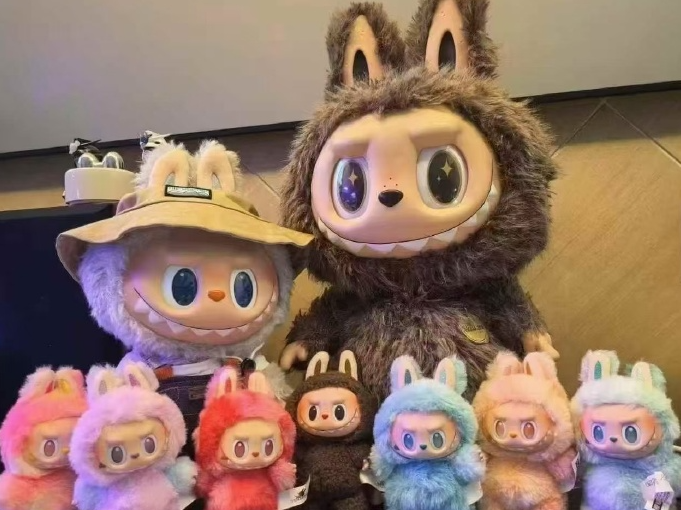
What is Labubu (and who is Pop Mart)?
Labubu is a character IP — a small, quirky “furry” figure sold as collectible toys (blind-box figures, plushes and limited editions). Pop Mart is the Beijing-based company that builds and monetises toy IPs through designer collections, blind-box retail, branded stores and a secondary resale culture. Labubu became Pop Mart’s breakout “monster” IP in 2025, driving huge retail demand, celebrity visibility and speculative trading on second-hand platforms.
Why it mattered
Labubu was important because it combined three powerful value engines at once: (1) an emotionally resonant/cute design that appealed to fans; (2) a scarcity-driven blind-box model that created collectibility; and (3) a robust secondary market that amplified perceived value and media attention. That mix turned Labubu from a toy into a tradable cultural asset — and for a while, a major earnings driver for Pop Mart.
How the product and business model actually work
Blind boxes, scarcity and the compounding role of resellers
Pop Mart sells many figures through blind boxes and limited drops. That built perceived scarcity: consumers chase rarity, collectors seek “hidden” figures, and resellers (scalpers) buy large volumes to flip at a premium. The official channels — brick-and-mortar stores, e-commerce and official drops — create first-market scarcity; the secondhand platforms (resale sites) turn that scarcity into visible price signals. When resale prices climb, media coverage and celebrity endorsements feed further demand.
Why the second-hand market matters more than you might think
A liquid, high-margin resale market effectively serves as free marketing and proof-of-value: high resale prices validate desirability and attract more buyers and speculators. But it also creates fragility — when supply expands or sentiment shifts, resale prices can reverse quickly and amplify downside for both speculators and the brand’s perceived scarcity.
What happened — a concise timeline
- Early–mid 2025: Celebrity exposure and overseas buzz push Labubu into a global frenzy; resale prices spike and some rare pieces fetch eye-popping sums.
- June 2025: Pop Mart began larger scale restocks of Labubu 3.0, which increased official supply. Restocking reduced perceived scarcity and signalled that the company could meet demand.
- Late 2025: Resale prices started to fall sharply; investor concern followed as resale-driven margins and the narrative of scarcity weakened. Pop Mart’s stock experienced significant declines through H2–Q4 2025.
- Jan 2026 (current): Market value has retreated substantially from its peak, with broader coverage noting large market-cap losses and second-hand price collapses.
What broke — the structural causes
- Supply shock from restocking. Large-scale official replenishments removed the key scarcity signal that raised resale prices. Once scarcity disappears, speculative demand can evaporate fast.
- Speculation and inventory risk. Scalpers and some retailers accumulated inventory at peak prices; when prices fell they had to unload at losses, increasing market supply and pressuring prices further.
- Counterfeits and authenticity issues. A surge in high-quality imitations muddied the market and weakened consumer trust in resale premiums.
- Fashion lifecycle of trend IPs. Cultural goods that trade on “identity signalling” (what collectors call exclusivity) tend to follow a life-cycle: niche → viral → mainstream → decline. Once the product becomes ubiquitous, the elite taste leaders move on.
How analysts and investors see the near term
Institutions such as Bank of America still see medium-term upside for Pop Mart, pointing to multiple levers for growth in 2026: monetising other IPs, deeper global expansion, more collaborations, and lifecycle management to diversify revenue away from any single hit product. That view underpins some buy recommendations despite current market-cap volatility. At the same time, market sentiment has already priced in a lower bar and the stock has suffered significant drawdowns from its peak.
Key variables to watch (the “what will decide the outcome” list)
- IP pipeline: Can Pop Mart produce or buy new hits (new characters, film/entertainment spin-offs, branded collaborations)?
- Global retail mix: Will overseas sales scale profitably and become a stable revenue base (not just hype)?
- Inventory and restock policy: Will Pop Mart manage scarcity consciously, or keep flooding the market?
- Secondary-market health: Do resale prices stabilise (indicating sustained collector demand) or keep sliding (signalling structural decline)?
- Brand trust & counterfeits: Can Pop Mart and marketplaces improve authentication and consumer confidence?
What could happen next — three realistic scenarios
- Stabilisation and diversification (base case): Pop Mart slows restocks, levers up other IPs and partnerships, and overseas channels mature — resale prices stabilise and revenue growth resumes. This is the scenario analysts like Bank of America consider plausible.
- Elastic recovery then fade (most likely for fashion IPs): A short rebound from collectors followed by long-term decline as cultural attention moves on; Pop Mart’s revenue growth slows and the company must rely on operating efficiency and new products.
- Rapid reputational damage (tail risk): Continued price collapse, counterfeit proliferation, or supply-chain / labour controversies could materially harm brand equity and consumer willingness to pay — forcing deeper restructuring. Recent reports about manufacturing practices make this a non-trivial risk to monitor.
Bottom line — evergreen lessons for investors and cultural-goods businesses
- Scarcity sells, but it’s a double-edged sword. Creating perceived scarcity can turbo-charge demand — and create fragility when supply strategy changes.
- Secondary markets are a leading indicator, not an extra. High resale prices can amplify growth narratives — and they can also presage a rapid unwind.
- IP longevity requires pipeline and storytelling. Relying on a single hit leaves a company exposed to fads; durable growth comes from multiple monetisation paths (products, media, partnerships, geographic diversification).
- Watch incentives across the ecosystem. Scalpers, speculators, resellers and counterfeiters are part of the market; their behaviour often determines whether a boom becomes sustainable or collapses.