
What improvements does the DJI Mini 5 Pro have compared to the Mini 4 Pro? Is an upgrade needed?
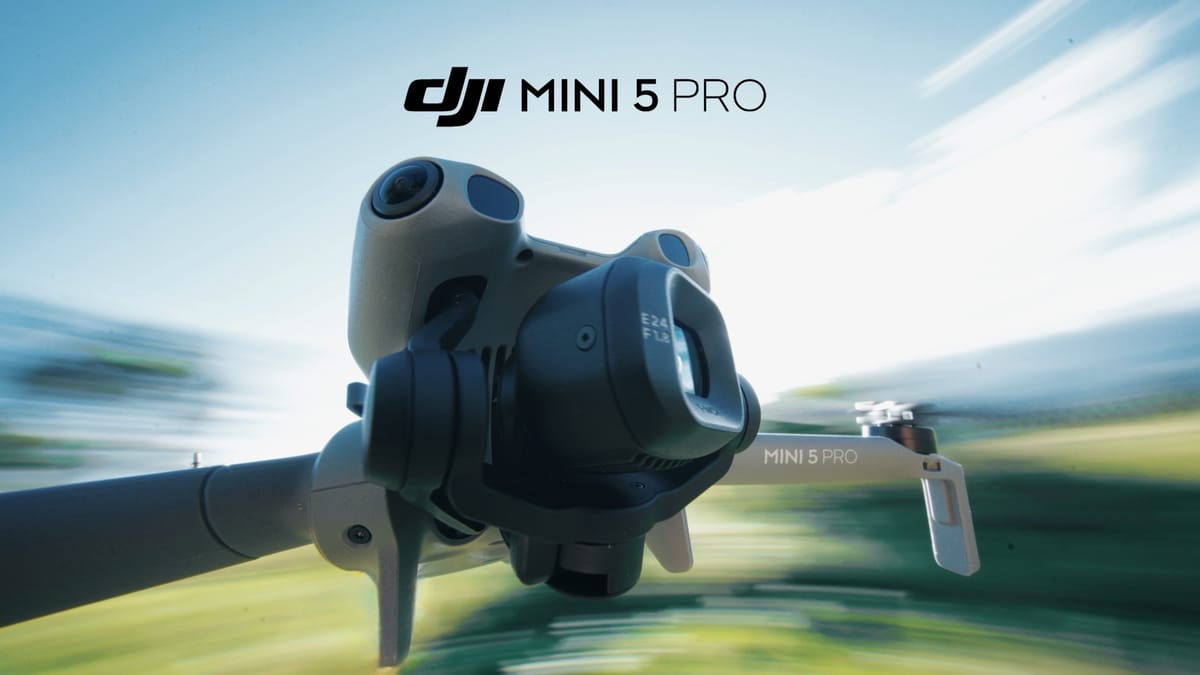
DJI Technology has released the Mini 5 Pro consumer drone, featuring significant camera and tracking improvements over its predecessor while maintaining the compact form factor that has made the Mini series popular among recreational users. The new model incorporates a larger one-inch sensor and enhanced artificial intelligence capabilities, positioning the company to defend its dominant market share in the consumer drone segment.
The Mini 5 Pro's primary upgrade centers on imaging performance, with a one-inch sensor replacing the smaller 1/1.3-inch component found in the Mini 4 Pro. This enhancement delivers improved low-light performance and expanded dynamic range, particularly beneficial for professional content creators and photography enthusiasts seeking higher image quality from compact drones.
DJI has also integrated LiDAR technology and upgraded tracking algorithms, addressing user demands for more reliable autonomous flight features. The improvements come as the company faces intensifying competition in the consumer drone market and ongoing regulatory challenges in key markets including the United States.
Enhanced Imaging Capabilities Drive Core Appeal
The Mini 5 Pro's one-inch sensor represents the most substantial technical advancement over its predecessor. The larger sensor enables 50-megapixel still photography and supports 4K/60fps HDR video recording, along with 4K/120fps slow-motion capabilities. The drone also offers 10-bit D-Log M and HLG recording formats, expanding post-production flexibility for professional users.
Testing reveals the imaging improvements are most pronounced in challenging lighting conditions, including sunset scenarios, backlit subjects, and nighttime environments. The increased sensor size provides measurably better noise control and highlight retention compared to the Mini 4 Pro, though differences become less apparent in optimal daytime lighting conditions.
The camera system includes a 48mm telephoto mode, aligning with DJI's multi-focal length strategy seen in its Air 3 and Mavic 4 Pro models. While image quality in this mode can appear softer in certain conditions, the feature expands compositional options for users.
Advanced Tracking and Flight Systems
DJI has equipped the Mini 5 Pro with forward-facing LiDAR sensors, significantly improving ActiveTrack and obstacle avoidance capabilities. The system demonstrates enhanced reliability when following vehicles, pedestrians, and other subjects, with particular improvements in nighttime tracking performance.
The drone features a 220-degree horizontal gimbal rotation system similar to the Mavic 4 Pro, enabling more creative camera movements when combined with QuickShots and Waypoints intelligent flight modes. The gimbal upgrade allows for more sophisticated automated cinematography sequences.
Communication systems have been upgraded from O4 to O4 Plus transmission technology. While signal stability improvements are measurable in urban flight environments with significant interference, typical users may not notice substantial differences except in extreme conditions.
Market Positioning and Upgrade Considerations
The Mini 5 Pro maintains European C0 certification, allowing operation in most regions without additional licensing requirements—preserving the regulatory accessibility that has driven Mini series adoption. Battery life shows modest improvement to 36 minutes of claimed flight time, though real-world usage typically yields 25-30 minutes similar to the previous generation.
DJI has introduced several user experience enhancements, including 42GB of internal storage, Wi-Fi 6 connectivity, and automatic power management that activates the drone when unfolded. The flight kit now includes ND filters, previously sold separately.
The company has made the new model incompatible with previous-generation batteries, despite physical compatibility, citing unverified safety performance. This decision may increase ownership costs for users upgrading from the Mini 4 Pro.
For users frequently capturing high dynamic range scenes, relying heavily on intelligent tracking features, or operating in low-light conditions, the Mini 5 Pro offers meaningful improvements. However, existing Mini 4 Pro owners primarily flying in good lighting conditions may find limited justification for immediate upgrades.