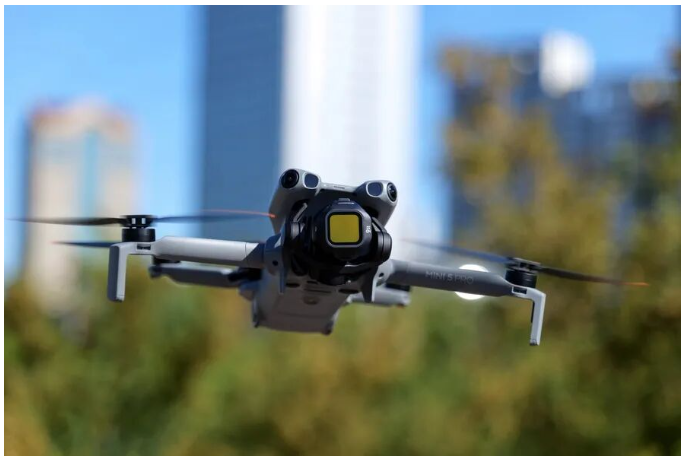
DJI Mini 5 Pro Review: The 1-Inch Upgrade
ITheat Technology, a Shanghai-based Chinese technology media outlet, released a comprehensive review of DJI's latest consumer drone on September 18, 2025. The review examines the DJI Mini 5 Pro, which represents a significant upgrade in the company's lightweight drone series, featuring enhanced camera capabilities, obstacle avoidance systems, and flight performance.
The analysis provides detailed technical assessments of the drone's imaging performance, gimbal improvements, and safety features, offering insights into how DJI is positioning its Mini series against increasing competition from newer models like the DJI Neo and DJI Flip within its own product lineup.
DJI Mini 5 Pro Review: 1-Inch Sensor Plus Active Obstacle Avoidance Makes It the Ultimate All-Around Drone
Author: Chen Jiajiu Editor-in-Chief: Yao Zhangjun
When the DJI Mini series was first introduced, it represented DJI's most lightweight drone offering. However, with the launch of new models like the DJI Neo and DJI Flip, the Mini no longer seemed quite as "mini." How should the Mini series evolve moving forward? DJI has now provided its answer with the launch of the DJI Mini 5 Pro, featuring comprehensive upgrades to its camera, gimbal, obstacle avoidance, and flight speed capabilities.
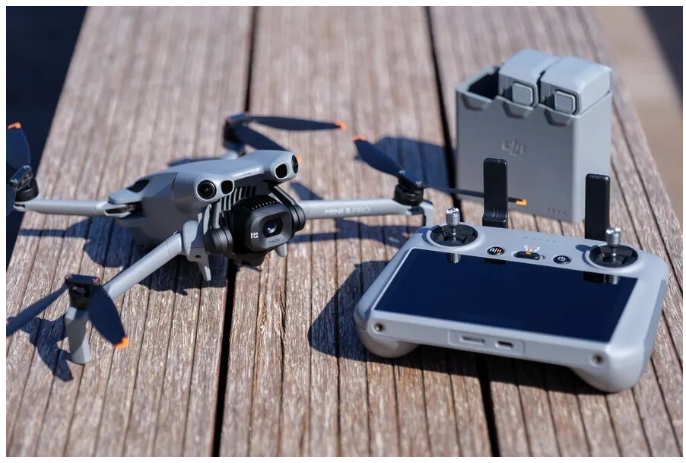
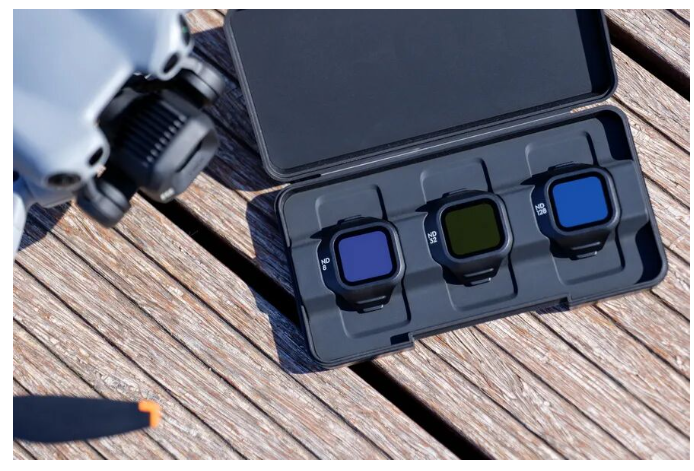
As with previous releases, the DJI Mini 5 Pro is available in multiple configurations for consumers to choose from, including the standard DJI Mini 5 Pro, DJI Mini 5 Pro Fly More Combo (RC-N3), DJI Mini 5 Pro Fly More Combo (RC 2), and DJI Mini 5 Pro Long Range Fly More Combo (RC 2 with enhanced transmission). The unit we tested is the DJI Mini 5 Pro Fly More Combo (RC 2), which includes the drone, three intelligent batteries, DJI RC 2 remote controller, ND filter set, two-way charging hub, and shoulder bag.
If the DJI Neo with its 1/2-inch CMOS sensor didn't pose a significant threat to the DJI Mini 4 Pro, then the DJI Flip certainly represents a challenge from within the lineup. The Flip features a 1/1.3-inch, 48-megapixel sensor capable of recording 4K60 HDR or 4K/100P slow-motion video—identical specifications to the DJI Mini 4 Pro. To maintain differentiation, upgrading the sensor became an inevitable choice for the DJI Mini 5 Pro.
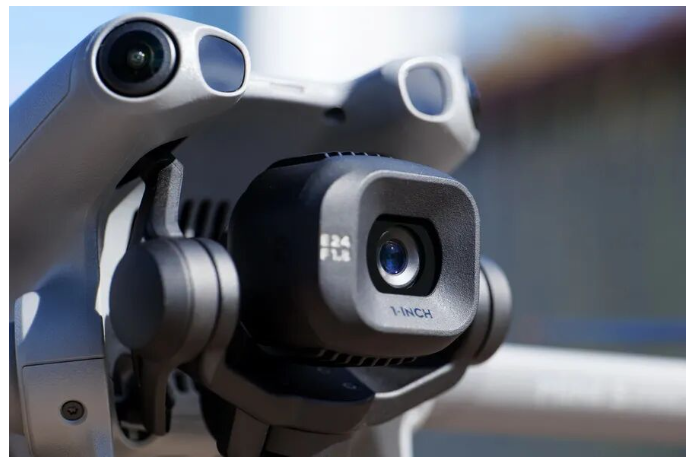
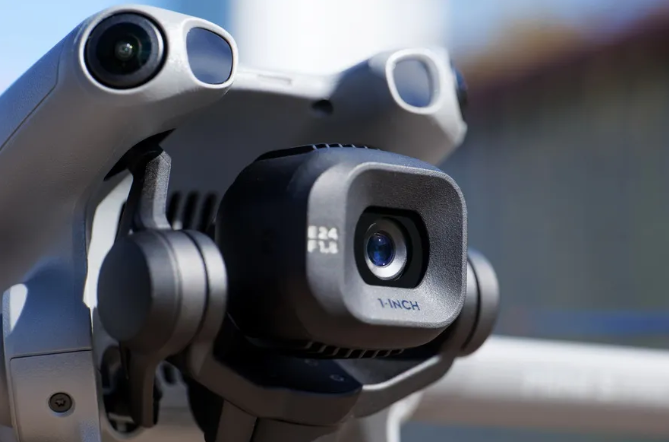
The DJI Mini 5 Pro features a 1-inch, 50-megapixel CMOS sensor with a newly added 48mm medium telephoto mode. It can record 4K60P HDR or 4K/120P slow-motion video (supporting 10-bit D-Log M), while incorporating a fixed lens with an equivalent full-frame 24mm field of view and F1.8 aperture. The sensor size, pixel count, and supported video formats directly match those of the higher-end DJI Air 3S. However, due to the drone's compact size, the DJI Mini 5 Pro features only a single camera, lacking the additional medium telephoto lens found on the DJI Air 3S.

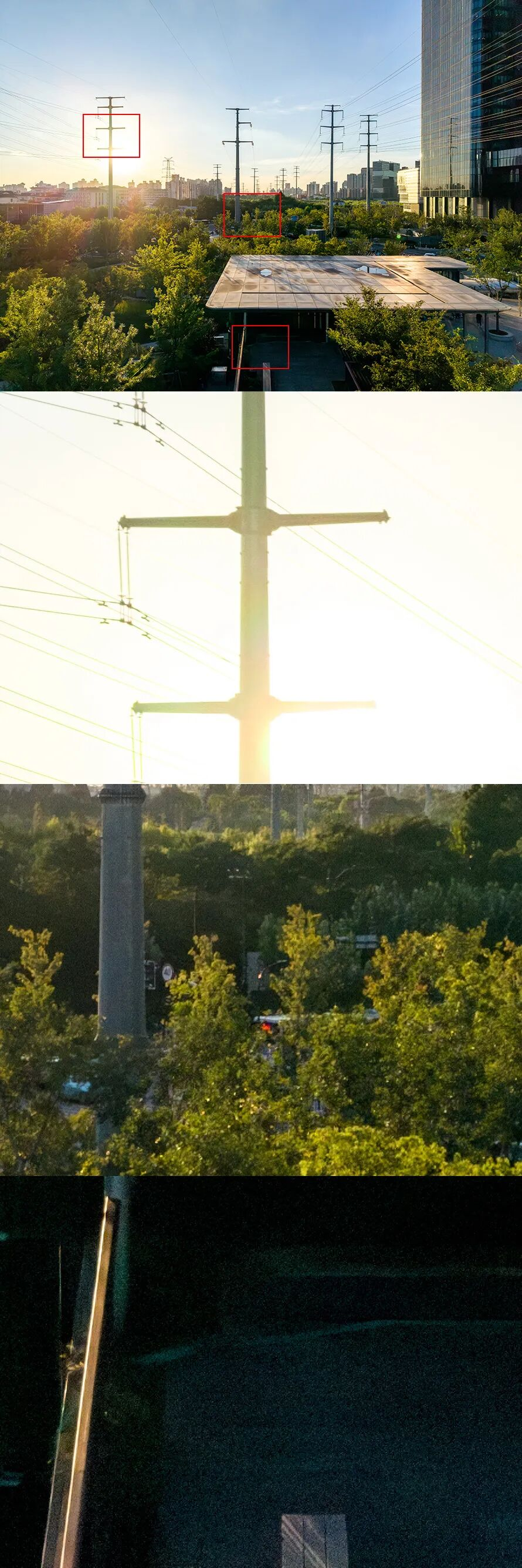
How does the DJI Mini 5 Pro's image quality perform after upgrading to the 1-inch sensor? We conducted tests using photographs. During shooting, we used RAW format (PNG), single-shot capture, 50MP full-pixel output, with post-processing in Lightroom to adjust brightness and apply AI noise reduction (noise reduction 30), and sharpening settings: amount 30, radius 1.2, detail 0, masking 0.
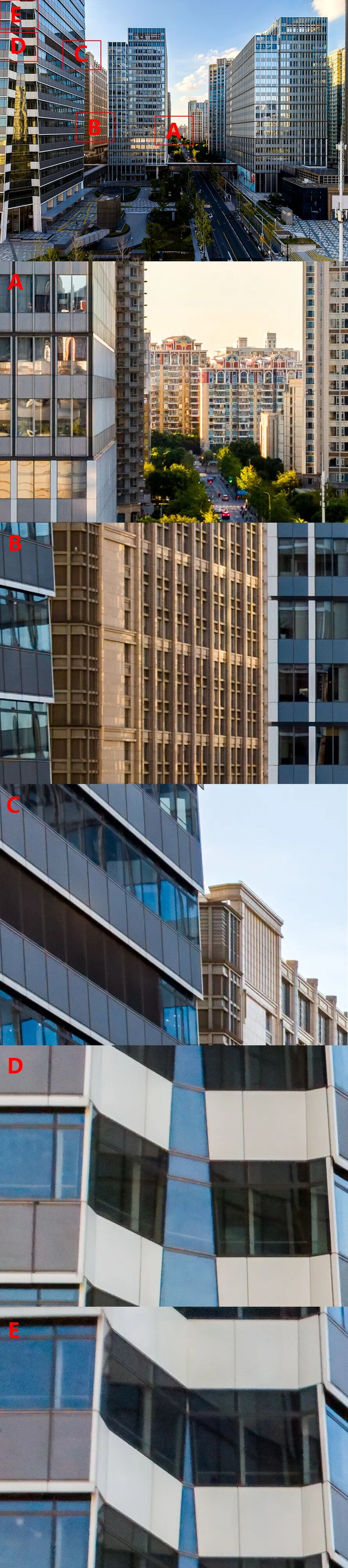
The first image above shows the complete frame captured by the DJI Mini 5 Pro, with points A, B, C, D, and E corresponding to the frame center, 1/2 imaging circle position, 2/3 imaging circle position, 16:9 corner, and edge corner respectively. For the DJI Mini 5 Pro's compact lens, sharpness between the center and 1/2 imaging circle position is quite good, but there is some decline in sharpness starting from the 2/3 imaging circle position. It's important to note that this testing was conducted at 50MP resolution—when shooting 12MP photos or 4K video, the lens edge resolution performance is still quite excellent.
However, it should be noted that 50MP + RAW cannot be enabled in all shooting modes. For example, in the panoramic photo shown below, shooting is limited to 12MP, so even after panoramic stitching and cropping, the pixel count won't exceed 100 megapixels.

The next test focuses on dynamic range, again using 50MP RAW shooting, with post-processing in Lightroom to adjust brightness and apply AI noise reduction (noise reduction 30), and sharpening settings: amount 30, radius 1.2, detail 0, masking 0.
When pursuing extreme high dynamic range in single photographs, the image quality is acceptable thanks to the 1-inch sensor. For high-quality static photography, we recommend using bracketed exposure or multiple shots to provide room for HDR processing or multi-frame noise reduction in post-production.

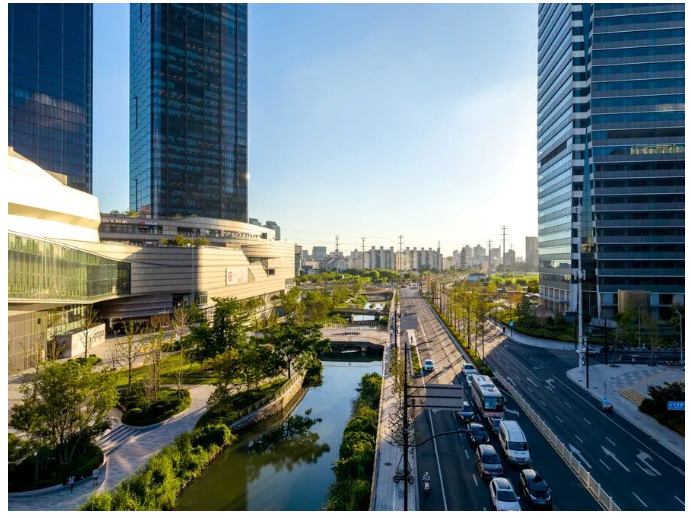
DJI Mini 5 Pro sample shot, post-processed from RAW to JPG output
The gimbal represents another major upgrade focus for the DJI Mini 5 Pro, featuring a completely different design from the previous generation. The three-axis electronic gimbal is not directly mounted to the drone but is suspended above the aircraft body through a four-point "cage" system with flexible connections, providing shock absorption capabilities in multiple directions—up, down, left, and right.
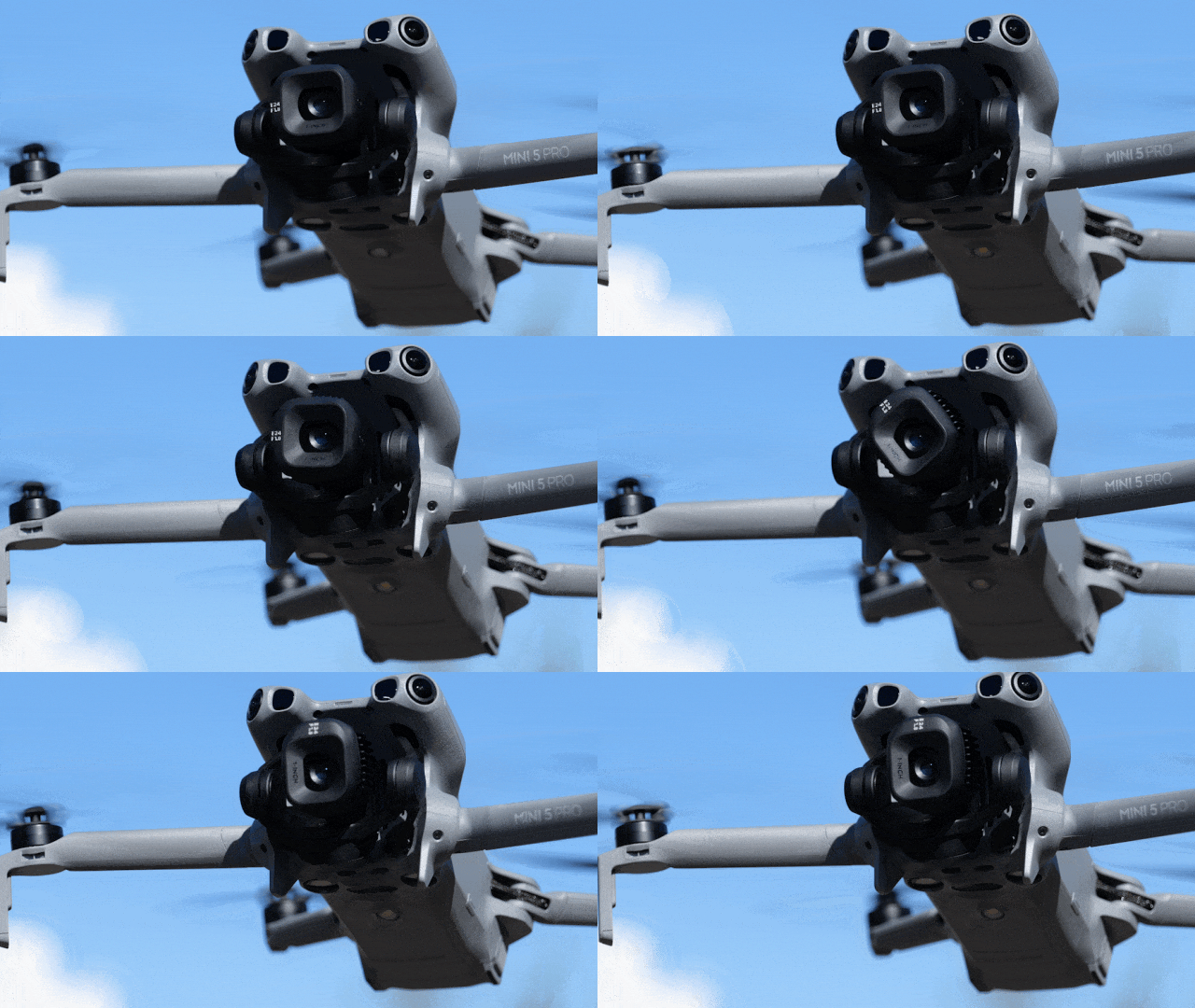
The newly upgraded three-axis electronic gimbal not only provides 90° vertical shooting functionality, enabling quick switching to 9:16 video without sensor cropping, but also achieves 225° rotation for easily capturing "Inception"-style footage.
To simplify shooting "Inception"-style footage, users can simply activate the "QuickShot" function, and the DJI Mini 5 Pro will autonomously complete the filming, significantly reducing operational demands on users. Below is an "Inception" shot captured using QuickShot—since the original video is approximately 16 seconds long, the GIF has been accelerated 4x.
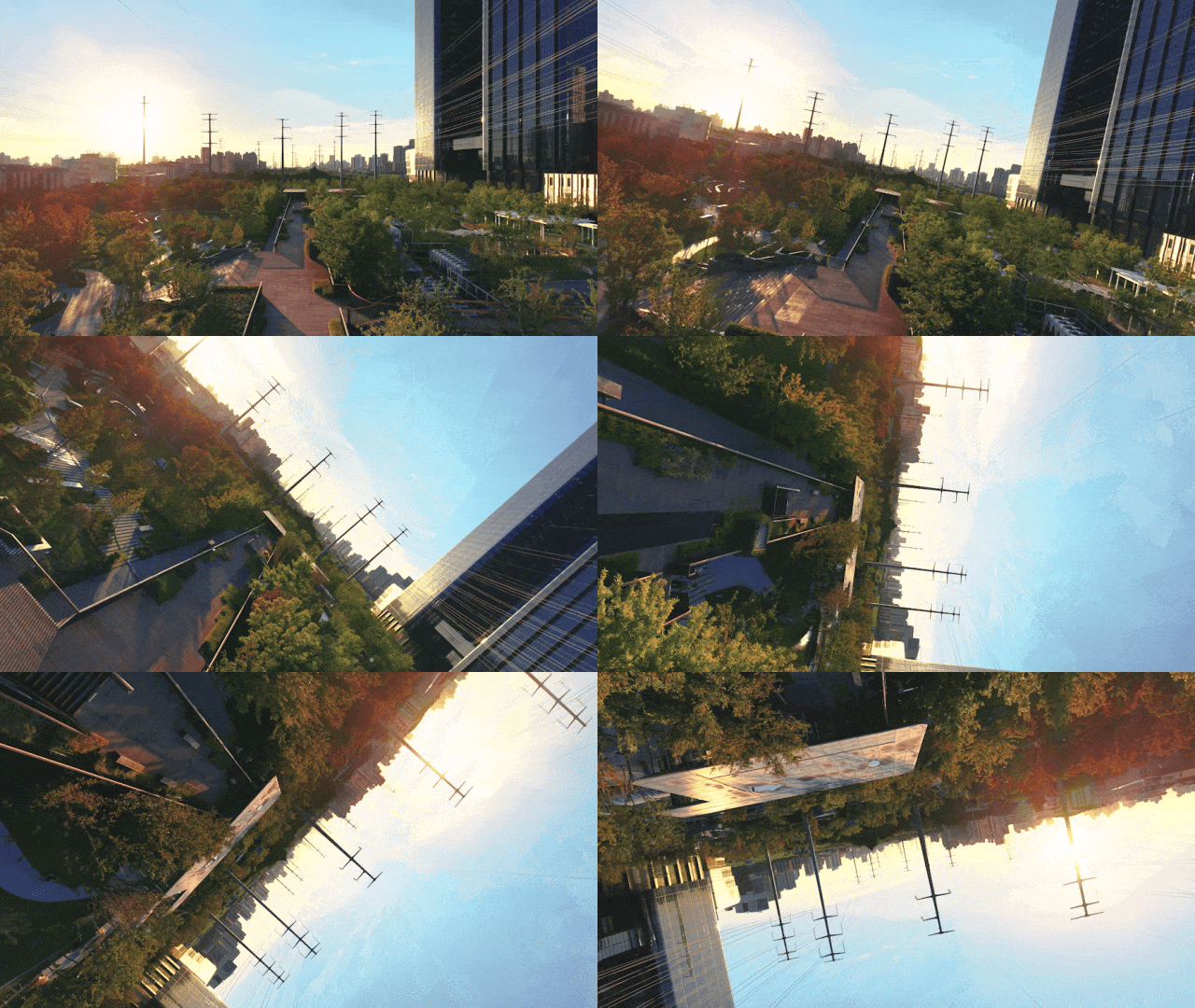
If pilots want manual control over camera tilt angles, that's also possible through sliding on the RC 2 touchscreen to control camera tilt angle, making it simple to capture emotional footage.
Shooting one "Inception" sequence takes 16 seconds, and the DJI Mini 5 Pro has increased power, with Sport and Normal mode flight speeds reaching 19m/s and 15m/s respectively—not only faster than the DJI Mini 4 Pro's 16m/s and 12m/s, but very close to the DJI Air 3S's 21m/s and 15m/s. This means that even when shooting "Inception" footage at 15m/s in Normal mode, completing one sequence requires flying forward 200-300 meters. Could this pose safety concerns?
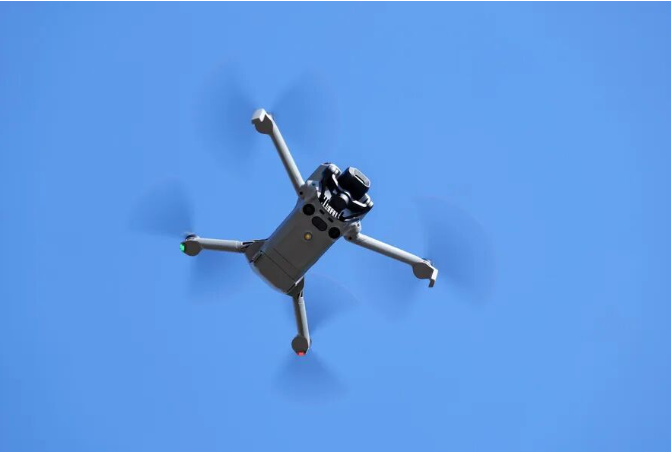
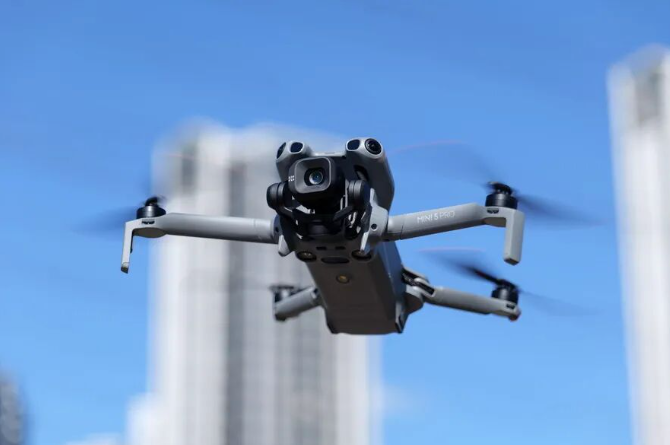
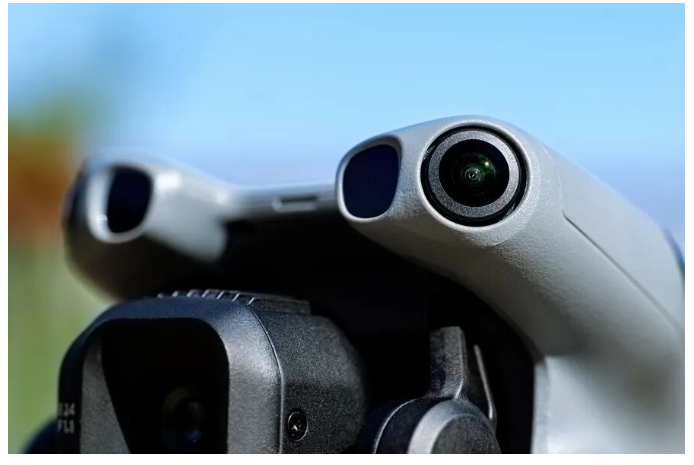
This brings us to another improvement in the DJI Mini 5 Pro—obstacle avoidance. The DJI Mini 4 Pro already featured an omnidirectional binocular vision system plus bottom-mounted 3D infrared sensors, with four large "eyes" at the front of the drone achieving omnidirectional obstacle avoidance. For the DJI Mini 5 Pro, DJI has shifted focus to providing active obstacle avoidance capabilities.
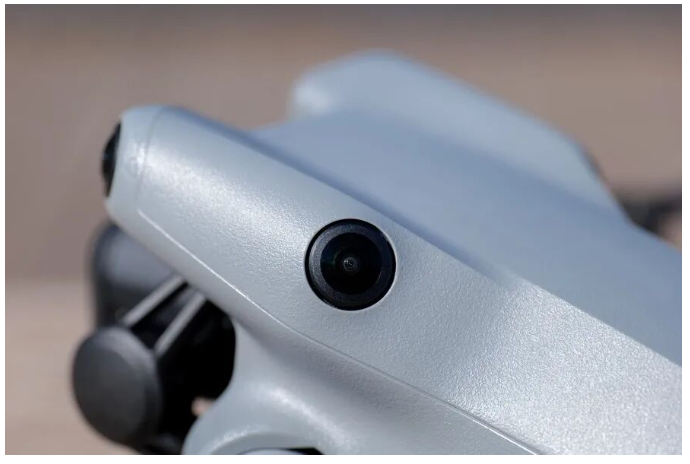
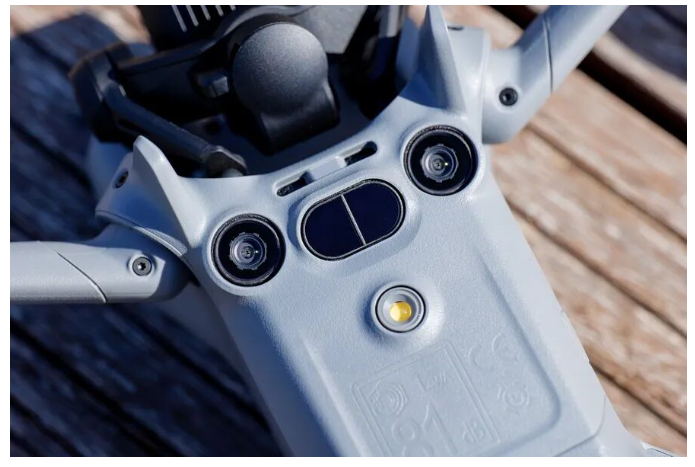
Inside the two front wide-angle vision sensors of the DJI Mini 5 Pro is a LiDAR system. Compared to vision sensors, LiDAR's advantage is immunity to ambient lighting conditions, allowing normal operation in low-light environments or strong backlight situations. Thanks to this, the drone can achieve 1 Lux night-level omnidirectional active obstacle avoidance.
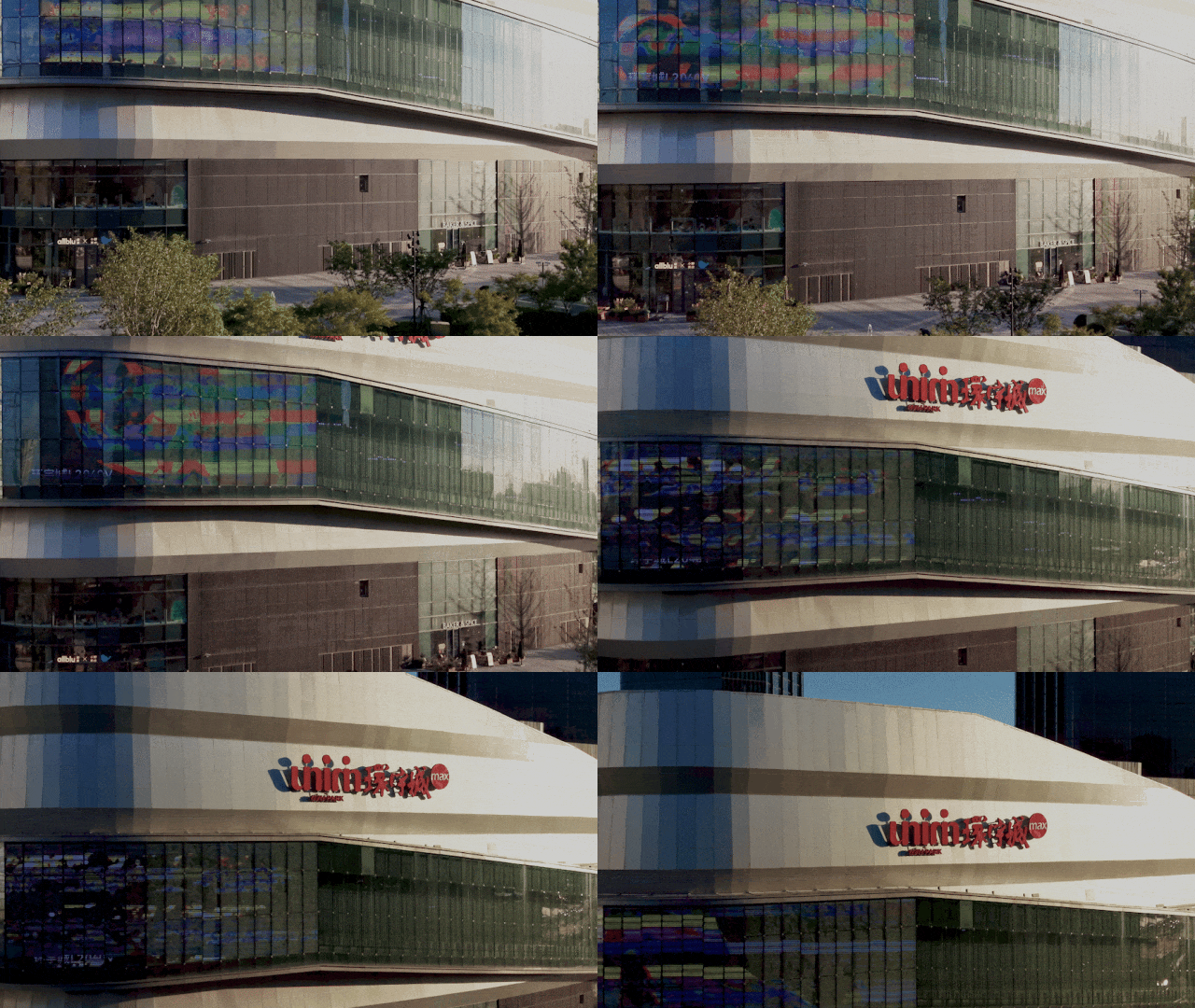
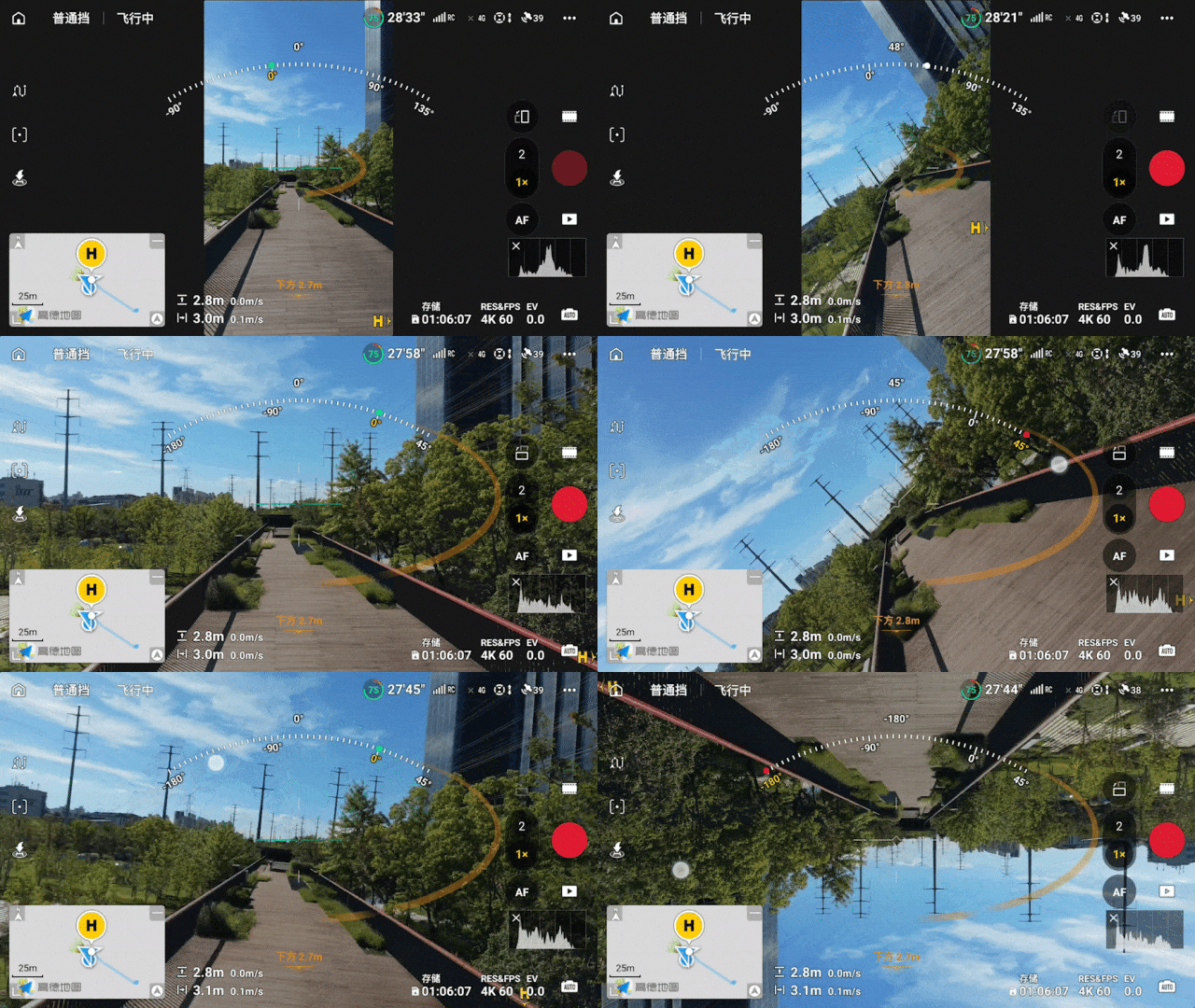
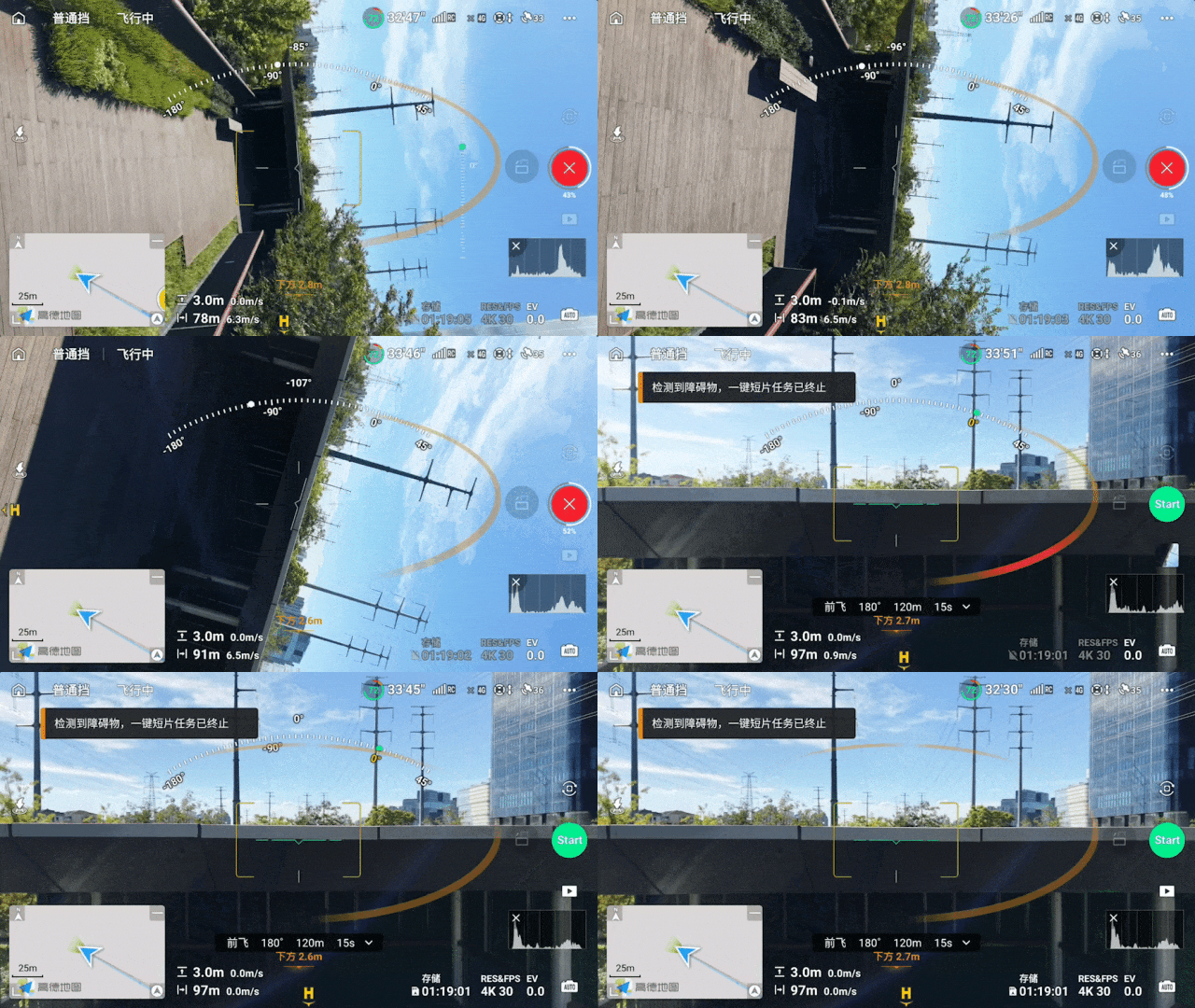
The image below shows screen recording from the first attempt at shooting "Inception" footage using QuickShot. Since the building was over 100 meters away and shooting was directly facing the sun in strong backlight conditions, visual estimation failed to calculate the correct altitude. As filming neared completion, the DJI Mini 5 Pro nearly collided with the building, but thanks to the active obstacle avoidance system, the aircraft quickly gained altitude, preventing a crash.
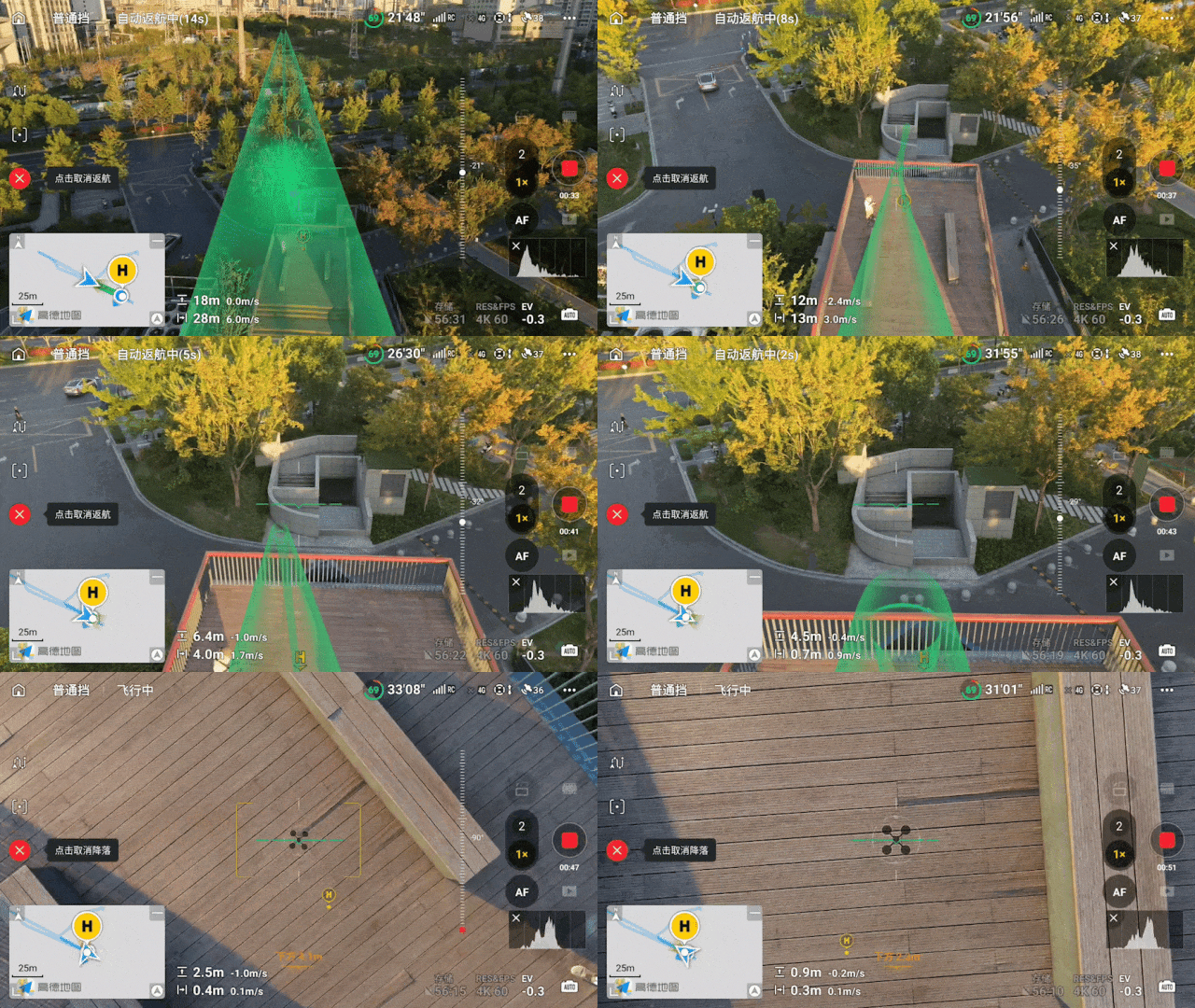
Alongside the obstacle avoidance system upgrade, the DJI Mini 5 Pro has also upgraded to a new generation of intelligent return-to-home functionality that can actively detect and avoid obstacles like buildings and trees, significantly improving autonomous return safety.
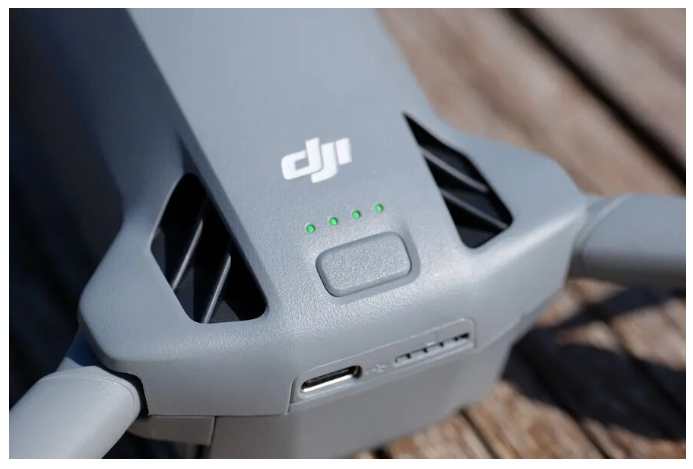
Beyond these improvements, the DJI Mini 5 Pro offers several additional highlight features: omnidirectional intelligent tracking supporting standard and cycling motion scenarios; 36/52-minute battery life options; DJI O4+ transmission system support with up to 20-kilometer range; Wi-Fi 6 compatibility with transfer speeds up to 100MB/s for photos and videos to smartphones; built-in 42GB storage plus microSD expansion slot; and automatic power-on when unfolding the aircraft arms.
Conclusion
With its 1-inch, 50-megapixel CMOS sensor, 10-bit D-Log M specification 4K120P video, 225° rotating gimbal, omnidirectional active obstacle avoidance, increased speed, longer battery life, and extended transmission range, the DJI Mini 5 Pro has undergone nearly comprehensive upgrades across all aspects. It can truly be called an all-around performer—a one-step solution for entry-level users.