
Xiaomi Reveals Mi 17 Series with Rear Display and Leica Triple Camera to Challenge iPhone
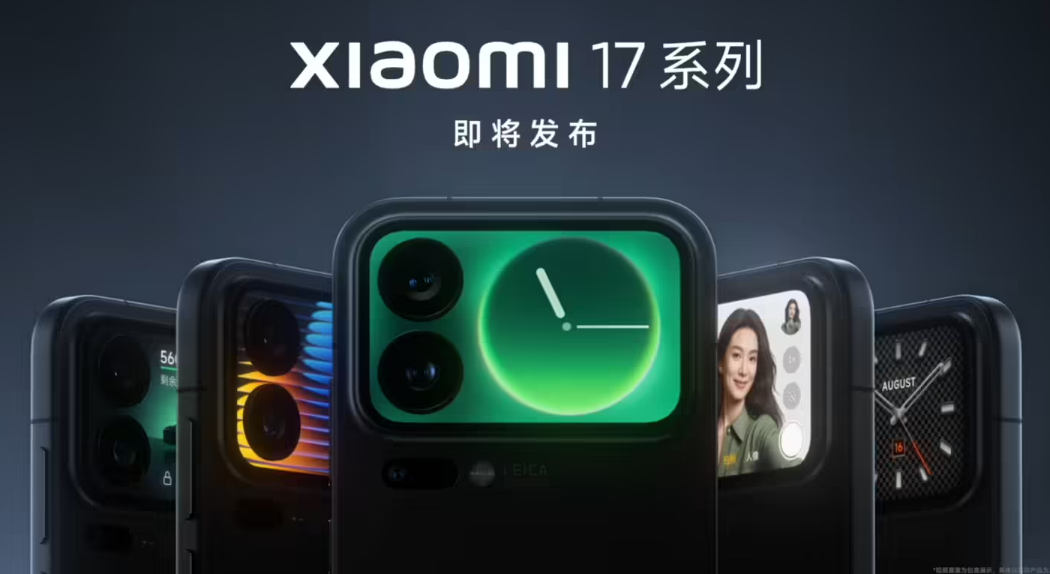
Xiaomi officially unveiled its Mi 17 series smartphones featuring a rear display and enhanced Leica camera system, positioning the flagship devices as direct competitors to Apple's iPhone lineup in what represents the Chinese manufacturer's most aggressive challenge to date.
The company announced three models - Mi 17, Mi 17 Pro, and Mi 17 Pro Max - with CEO Lei Jun declaring the product lineup represents a "generational upgrade" designed to "comprehensively benchmark against iPhone." The announcement comes as Xiaomi seeks to capture premium market share through improved hardware and ecosystem integration.
The rear display feature, branded as "Magic Back Screen," aims to differentiate the devices in the crowded Android flagship market. Industry analysts suggest the ecosystem integration capabilities, particularly with Xiaomi's automotive and smart home products, could provide competitive advantages against Apple's closed ecosystem.
The devices are expected to launch this month with starting prices around 4,999 yuan(US$690), while the Pro Max variant may exceed 6,000yuan(US$830).
Rear Display Technology Returns with Enhanced Functionality
The Mi 17 Pro series reintroduces rear display technology through Xiaomi's "Magic Back Screen" feature, building on the company's previous attempt with the Mi 11 Ultra. The secondary display is positioned to offer practical applications beyond novelty.
Key functionalities include notification previews without flipping the device, real-time preview assistance for selfies using the main rear camera, and customizable gesture controls for quick access to payment codes and transit cards. The feature represents Xiaomi's effort to address previous criticisms that rear displays served primarily as marketing gimmicks rather than practical tools.
Leica Partnership Drives Camera System Upgrades
The camera system features a horizontal triple-lens arrangement with prominent Leica branding, continuing the partnership established in previous generations. While specific technical specifications remain undisclosed, the configuration suggests significant improvements in imaging capabilities.
The setup likely includes a one-inch main sensor to compete with premium Android flagships, dual telephoto lenses comprising both periscope and traditional telephoto units for comprehensive focal length coverage, and enhanced Leica color science with expanded filter options and AI-powered editing features. Lei Jun emphasized the company's imaging ambitions, stating the goal is enabling users to capture "cinematic quality" content.
Ecosystem Integration Targets Apple's Core Advantage
Beyond hardware improvements, the Mi 17 Pro series emphasizes cross-device connectivity within Xiaomi's expanding ecosystem. The integration spans automotive, smart home, and mobile computing segments.
Features include seamless phone-to-vehicle connectivity for navigation and climate control, smart home management through the rear display interface, and AI assistant capabilities for complex task processing. Industry observers note that successful implementation of this ecosystem approach could challenge Apple's integrated hardware and software advantage, particularly in markets where Xiaomi's automotive and smart home presence is established.
The comprehensive ecosystem strategy represents Xiaomi's attempt to create switching costs and user loyalty comparable to Apple's approach, potentially enabling the company to command premium pricing in key markets.