
Xiaomi Unveils Upgraded SU7 Electric Sedan With Enhanced Platform and Extended Range
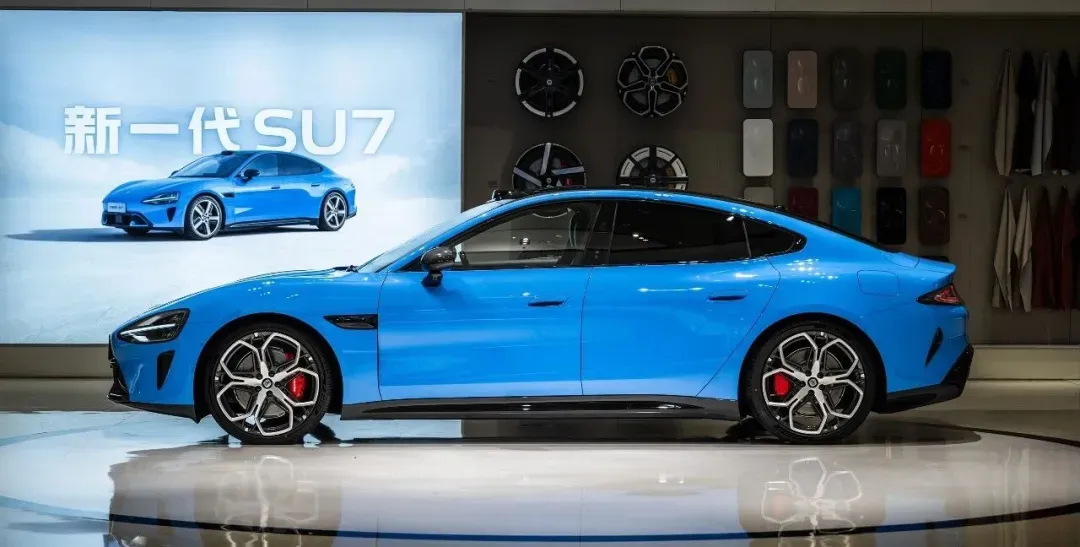
Xiaomi has begun displaying its revamped SU7 electric sedan in showrooms across China, marking a significant upgrade to address competitive pressures in the country's crowded EV market. The new generation model features an advanced high-voltage platform, extended range capabilities, and enhanced safety systems—improvements aimed at countering rivals that have already introduced superior charging technology at similar price points.
The upgraded sedan arrives as the original SU7, launched in April 2024, surpassed 381,000 deliveries in under two years. While the first-generation model gained traction through design and ecosystem integration, competitors including Zeekr and Xpeng have since introduced 800V high-voltage platforms in vehicles priced below 200,000 yuan ($27,600), exposing the limitations of the original SU7's 400V architecture in standard and Pro versions.
The enhanced vehicle addresses these shortcomings with a 752V silicon carbide platform across all variants, while the premium Max version employs an 897V system. Xiaomi founder Lei Jun confirmed that production of the first-generation SU7 has ceased, with manufacturing facilities undergoing modifications to accommodate the new model.
The timing coincides with Xiaomi's automotive division capturing the top sales position in January 2026 with its YU7 model, signaling growing brand strength in China's competitive EV market.
Platform and Performance Overhaul
The new generation SU7 introduces fundamental technical improvements that directly address previous competitive disadvantages. The standard version now achieves 720 kilometers of CLTC range through the 752V silicon carbide high-voltage platform, while all variants receive upgraded V6s Plus super motors.
The Pro version, priced just 30,000 yuan higher than the standard model, delivers 902 kilometers of range—the longest in the lineup—and includes closed dual-chamber air springs with CDC variable damping shock absorbers. The Max version's 897V platform enables 15-minute charging sessions that add 670 kilometers of range, with dual motors producing 690 horsepower.
This technical progression represents a direct response to market pressures from established EV manufacturers that have made advanced charging infrastructure a standard feature in the 200,000 yuan price segment.
Design Refinements and Safety Upgrades
Exterior modifications include a new Capri Blue paint finish inspired by Italian sea caves, featuring nano-grade cobalt blue pigments that create depth-varying visual effects. The front bumper incorporates optimized air intakes, redesigned side deflector trim, and added 4D millimeter-wave radar with intelligent driving indicator lights.
The vehicle now features 20-inch "blade" wheels with upgraded tire specifications—245mm front and 265mm rear—and standard four-piston fixed calipers across all versions. Responding to regulatory requirements and user feedback, Xiaomi installed mechanical door handles meeting new national standards and added a physical button on the left fender for front trunk access.
Safety enhancements include a 2,200 MPa ultra-high-strength steel "embedded roll cage," nine standard airbags including rear side airbags, a 1,500 MPa scrape-resistant bottom crossbeam, and protective bottom coating designed to address battery protection concerns specific to electric vehicles.
Intelligence and Market Strategy
The autonomous driving capability receives substantial upgrades, with standard lidar across all versions and driver assistance computing power increasing from 508 TOPS to 700 TOPS. The interior introduces a midnight black color option, redesigned steering wheel aligned with the YU7 model, expanded soft-touch surfaces, and a three-layer ambient lighting system with zone-adjustable panoramic roof.
Showroom displays began February 13 in major cities including Beijing, Shanghai, Guangzhou, Shenzhen, Hangzhou, Chengdu, and Wuhan. Xiaomi announced continuous operations during the Spring Festival period, with 275 service centers across 158 cities providing mechanical repairs and mobile services.
The company launched a "Spring Festival Travel Assurance" program offering unlimited free roadside assistance from February 9 to March 3, reimbursing up to 1,500 yuan for transportation costs and 500 yuan for accommodation if vehicle malfunctions occur during the holiday period.
The YU7's January sales performance, which topped monthly rankings ahead of lower-priced competitors including Geely Boyue L and Xingyuan, demonstrates Xiaomi's brand appeal despite limited automotive experience. The upgraded SU7's arrival positions the company to consolidate market share in the intensely competitive mid-range EV segment, where technological parity has become essential for sustained sales momentum.