
Xiaomi’s Integration with Leica Signals Premium Shift for Mobile Optics Value Chain
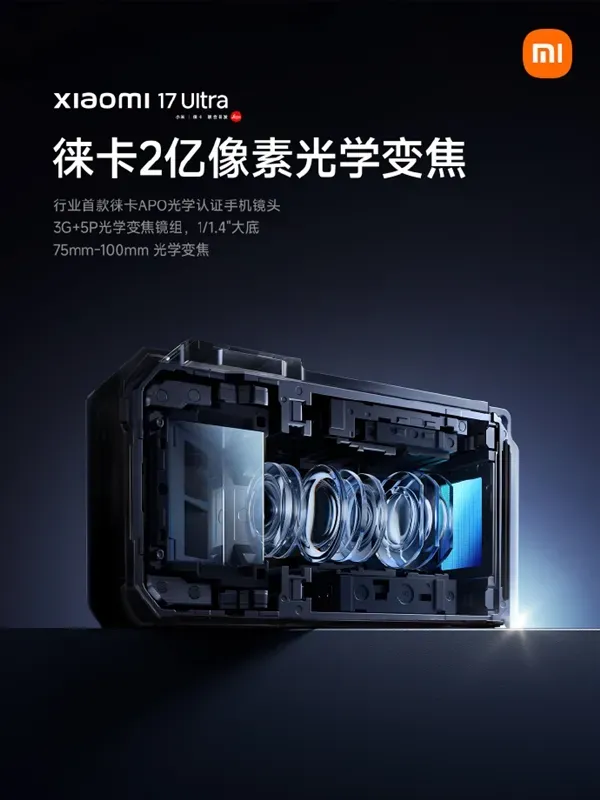
Xiaomi is escalating its foothold in the high-end smartphone market, a move expected to drive significant demand across the specialized optical supply chain through deepening ties with German camera maker Leica. The introduction of the "Strategic Co-creation Mode" in the upcoming Xiaomi 17 Ultra marks a pivot from standard component integration to a comprehensive imaging ecosystem, placing new requirements on precision manufacturing and optical assembly.
The device, scheduled for release on December 25, 2025, represents the first instance where Leica has authorized its signature "Red Label" logo on a partner’s hardware, a designation previously reserved for proprietary equipment and Leitz Phones. This development signals a departure from traditional branding exercises toward a more rigorous engineering standard, specifically disrupting telephoto optical systems and low-light imaging capabilities.
Industry observers note that this launch will likely catalyze a broader trend in the mobile sector, moving value creation beyond the handset to a modular photography environment. By introducing a "complete imaging suite"—including magnetic teleconverters and customized filters—Xiaomi is effectively expanding the hardware supply chain, creating new market verticals for high-precision accessories and cementing the device as a professional-grade optical tool rather than a mere communication device.
Strategic Brand Integration Elevates Manufacturing Standards
The pivotal element of the Xiaomi 17 Ultra lies in its adoption of the Leica "Red Label," a branding maneuver that imposes strict manufacturing prerequisites. The logo utilizes a relief craftsmanship process, indicating that the aesthetic and tactile quality of the device is being treated with the same precision as optical glass.
This authorization creates a new benchmark for the supply chain. By achieving "pure Leica certification" comparable to the Leitz Phone, Xiaomi is aggressively raising the floor for component quality. This shift requires suppliers to meet tighter tolerances in chassis production and finishing, effectively filtering the supply chain for vendors capable of delivering luxury-grade consumer electronics. The collaboration suggests that future value capture in the sector will depend heavily on the ability to replicate heritage camera aesthetics within mass-market smartphone production lines.
Ecosystem Expansion Drives Component Demand
Beyond the primary unit, the launch creates a multiplier effect for the optical accessory market. The introduction of a dedicated "imaging kit"—featuring magnetic teleconverters and specialized filters—transforms the smartphone into a modular system. This approach diversifies the revenue stream and places incremental demand on manufacturers producing micro-optical elements and magnetic attachment mechanisms.
Experts predict that these features will position the Xiaomi 17 Ultra as an entry point for younger demographics into professional photography systems. This strategy not only widens the Total Addressable Market (TAM) for high-end imaging sensors and glass but also encourages the supply chain to innovate in miniaturized, modular lens systems. The resulting product mix creates a more complex, higher-value ecosystem, insulating the manufacturer from the commoditization of standard smartphone components while driving technical advancements in mobile telephoto and night-scene technologies.