
Huawei’s Aggressive 2026 Roadmap Set to Stimulate High-End Component Supply Chain
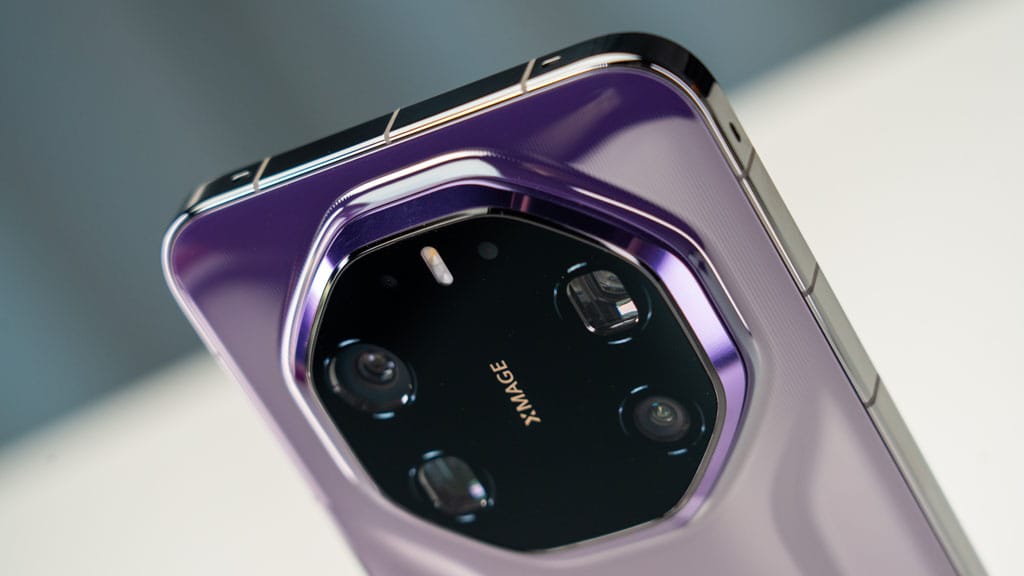
Huawei is poised to escalate its presence in the high-performance smartphone sector in 2026, a strategic move expected to drive significant demand across the upstream component supply chain. By explicitly targeting the gaming and "ultimate performance" segments with specialized hardware, the company is signaling a shift toward more complex manufacturing requirements, particularly in advanced processing and thermal management systems.
The focal point of this expansion is the development of a flagship device tentatively branded the Mate 80 GTS, which reportedly entered the trademark phase in November 2025. Market intelligence suggests this device is being engineered to challenge top-tier premium models, indicating that Huawei is moving beyond standard flagship iterations to cultivate a specialized, high-specification niche. This diversification is anticipated to create new volume demands for specialized subsystems beyond standard smartphone components.
This strategic roadmap places renewed pressure on the semiconductor and cooling technology sectors. The projected inclusion of the Kirin 9030 Pro 5G chipset, potentially enhanced for superior output, alongside rumored active cooling technology, highlights a requirement for robust industrial coordination. These specifications suggest that Huawei’s 2026 projected shipments will necessitate advancements in yield and integration capabilities from its supplier network to support "intense operations."
The broader accumulation of launch requirements is further evidenced by the simultaneous development of the second-generation Pura X foldable. With a targeted release window around March 2026, Huawei is effectively orchestrating a dual-track flagship launch. This approach aims to capture disparate market segments—high-performance gaming and foldable luxury—thereby strengthening the pull on the entire diverse manufacturing ecosystem supporting its consumer electronics division.
Resurrecting the Performance-Optimized “GTS” Line
The re-emergence of the "GTS" designation represents a calculated effort to delineate a high-performance product line distinct from the standard Mate series. Regulatory filings from November 2025 confirm that Huawei has trademarked the "Mate 80 GTS" moniker, reviving a naming convention previously considered for the Mate 60 series.
Industry analysts note that "GTS" typically connotes gaming or high-speed capabilities. By formalizing this sub-brand, Huawei is moving to institutionalize a "Fan Edition" or performance-centric tier. This segmentation allows the company to tailor supply chain orders specifically for power users, separating the production lines for mass-market flagships from those requiring the rigorous tolerances needed for gaming devices. This distinction is crucial for suppliers, as it forecasts a stable, dedicated demand for high-durability and high-output components.
Demands on Silicon and Thermal Management Supply
The technical specifications currently in development for the Mate 80 GTS point, specifically, to an increased reliance on advanced semiconductor fabrication and novel cooling solutions. The device is expected to equip the Kirin 9030 Pro 5G chipset. Reports indicate that Huawei may further optimize or "enhance" this chip prior to the release, a process that would require close collaboration with foundry partners to maximize clock speeds and efficiency.
Furthermore, the potential inclusion of active cooling technology—described as a "Cooling Fan" model—would necessitate the integration of micro-mechanical components rarely seen in standard smartphones. If realized, this feature would require the supply chain to deliver miniaturized, durable cooling fans capable of fitting within a flagship chassis. This shift transforms the device from a passive thermal system to an active one, opening a new procurement channel for thermal management manufacturers and signaling a trend toward increasingly complex internal architectures in Huawei’s premium lineup.
Synchronized Launch Strategy
The projected release schedule indicates a concentrated burden on production capacity in the first quarter of 2026. Sifting through development timelines, insiders suggest the Mate 80 GTS could officially launch by March 2026. This release is expected to occur alongside the successor to the company's foldable line, the second-generation Pura X.
By clustering these high-profile launches, Huawei is maximizing its market impact while simultaneously testing the throughput of its manufacturing chain. The simultaneous rollout of a rigid, performance-heavy gaming phone and a complex foldable device will require synchronized ramping up of production across different technology verticals, from flexible displays to high-performance logic boards. This strategy underscores a high-confidence outlook for 2026, positioning the company to aggressively contest the premium market share immediately after the new year begins.