
Xpeng Overtakes Li Auto in Hong Kong Market Cap, Reshuffling China EV Startup Hierarchy
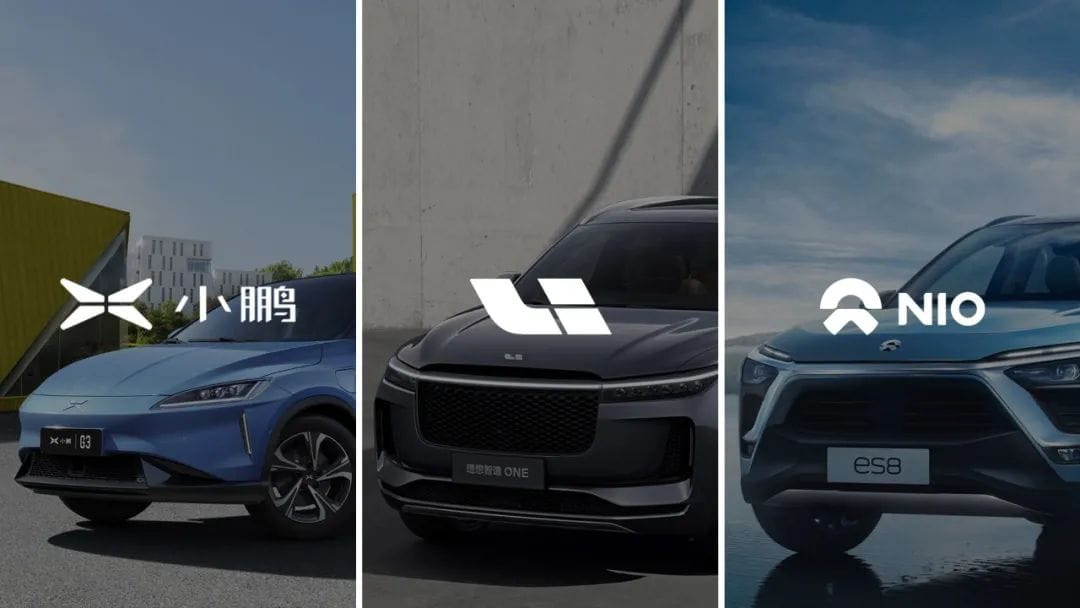
Xpeng surpassed Li Auto in Hong Kong market capitalization on October 28, marking the first time since its 2020 listing debut that the Chinese electric vehicle maker has topped Li Auto's valuation. The shift signals a renewed competitive dynamic among China's trio of leading EV startups.
Xpeng closed with a Hong Kong market cap of approximately HK165.8 billion (US$21.2 billion), edging past Li Auto's HK164.7 billion. In US markets, the positions remained tight, with Li Auto valued at US$22.8 billion versus Xpeng's US$22.2 billion as of the close on October 28. The narrow margin underscores intensifying competition in a sector where investor sentiment has become increasingly tied to operational execution.
The valuation crossover reflects Xpeng's improved fundamentals, including delivery growth exceeding 200% year-to-date and narrowing losses, while Li Auto faces declining sales and weakening momentum for its L-series models. NIO Inc. , the earliest of the three to go public, has fallen behind both rivals with a Hong Kong market cap of HK134.3 billion and US market valuation of US$15.9 billion.
The reshuffle marks a departure from the long-standing hierarchy among what Chinese investors call "Wei Xiao Li"—NIO, Xpeng, and Li Auto—whose combined market caps have nonetheless shrunk significantly from their 2021 - 2022 peaks amid broader sector recalibration.
Delivery Surge Powers Xpeng Gains
Xpeng's market cap has surged over 80% in 2025, driven by operational improvements across delivery volumes, profitability metrics, and product portfolio expansion. The company delivered 313,000 vehicles in the first nine months of 2025, up 218% year-over-year, far outpacing Li Auto's 13.1% decline and NIO's 34.8% growth.
New models including the G7, P7+, and MONA M03 have gained traction in the RMB100,000 - 250,000 price segment, combining advanced driver assistance features with competitive pricing. The G7 received over 10,000 orders within nine minutes of launch, with higher - margin Ultra versions accounting for more than half of bookings. Overseas deliveries reached 30,000 units through September, up 125% year - on - year.
Second - quarter revenue climbed 125% to RMB18.3 billion (US$2.5 billion), while gross margin expanded to 17.3% from 14.3% a year earlier. Net loss narrowed to RMB480 million, with multiple brokerages including Puyin International reiterating buy ratings on expectations Xpeng will reach breakeven in the fourth quarter.
Li Auto and NIO Face Headwinds
Li Auto's valuation pressure stems from stalling delivery momentum and margin compression. The company's deliveries fell 13.1% in the first nine months as its flagship L - series SUVs lost ground to competitors. The newly launched i8 model has received tepid market response, while net profit in the first three quarters remained flat year - over - year. Analysts view the upcoming i6 model as critical to reversing the sales decline.
NIO continues to post substantial losses despite generating buzz with its ES8 refresh and mass - market Onvo sub - brand. The company's persistent cash burn and high capital intensity have constrained investor appetite, even as vehicle deliveries show moderate growth. Market participants remain cautious about NIO's timeline to profitability.
Sector Valuations Retreat From Peak
Despite Xpeng's gains, all three startups trade well below their historical highs. NIO peaked at RMB500 billion in 2020, while Li Auto reached RMB356.9 billion in 2023. Industry - wide market caps have contracted as investor focus shifts from growth narratives to profitability and cash generation.
The valuation reset reflects multiple factors: slowing macroeconomic growth, waning consumer confidence, and capital rotation into emerging sectors such as artificial intelligence and humanoid robotics. Competition from incumbents including BYD Company Ltd. and newer entrants has intensified, compressing margins and raising questions about long - term market structure.
The "parallel positioning" of Xpeng, Li Auto, and NIO market caps suggests investor uncertainty about which business model will prevail. Technology partnerships — such as Xpeng's collaboration with Volkswagen AG on electronic architecture and its proprietary Turing chip development — are increasingly viewed as differentiators. The competitive landscape remains fluid as the sector transitions from policy - driven expansion to sustainable commercial operation.