
XPeng Unveils New Humanoid Robot and Robotaxi Rollout Plan
XPeng Inc. unveiled its latest humanoid robot and announced plans to launch three autonomous taxi vehicles next year at its Technology Day event on November 5, marking the Chinese electric vehicle maker's expanded push into robotics and self-driving technology.
The company introduced IRON, its new-generation humanoid robot equipped with solid-state batteries and three Turing AI chips. The robot features human-like skin, skeletal structure, and muscles, enabling complex movements including bending to touch the ground. Its head incorporates a 3D curved display, while its dextrous hands use the industry's smallest harmonic joints, achieving 22 degrees of freedom per hand.
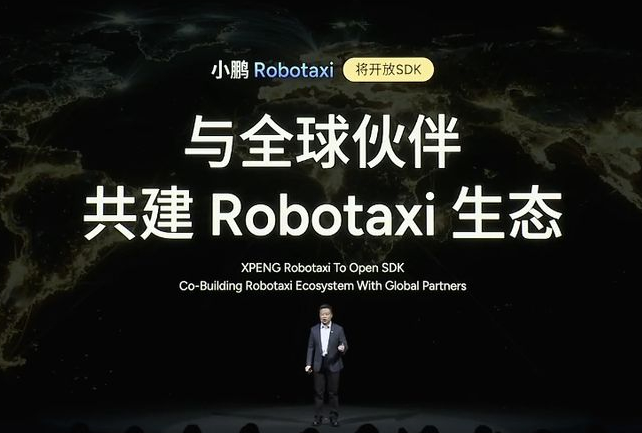
On the autonomous vehicle front, XPeng plans to introduce three Robotaxi models in 2026 and commence trial operations the same year. CEO He Xiaopeng stated that automakers directly investing in Robotaxi development would better facilitate industry-scale commercialization. The company will self-develop software, manufacture hardware, and open its software development kit (SDK) to partners.
The Robotaxi vehicles are designed for Level 4 autonomous driving and will feature four Turing AI chips delivering maximum computing power of 3,000 TOPS. The vehicles will run on XPeng's second-generation VLA model.
XPeng announced AutoNavi, Alibaba's mapping service, as its first global ecosystem partner for the Robotaxi initiative. The autonomous taxis will integrate with AutoNavi's ride-hailing platform, potentially providing access to millions of users.
The announcements position XPeng alongside domestic competitors including Baidu and Pony.ai in China's growing autonomous taxi market, where regulatory approval has enabled limited commercial operations in select cities.