
XREAL Files for Hong Kong IPO as Chinese Smart Glasses Makers Race Against Tech Giants
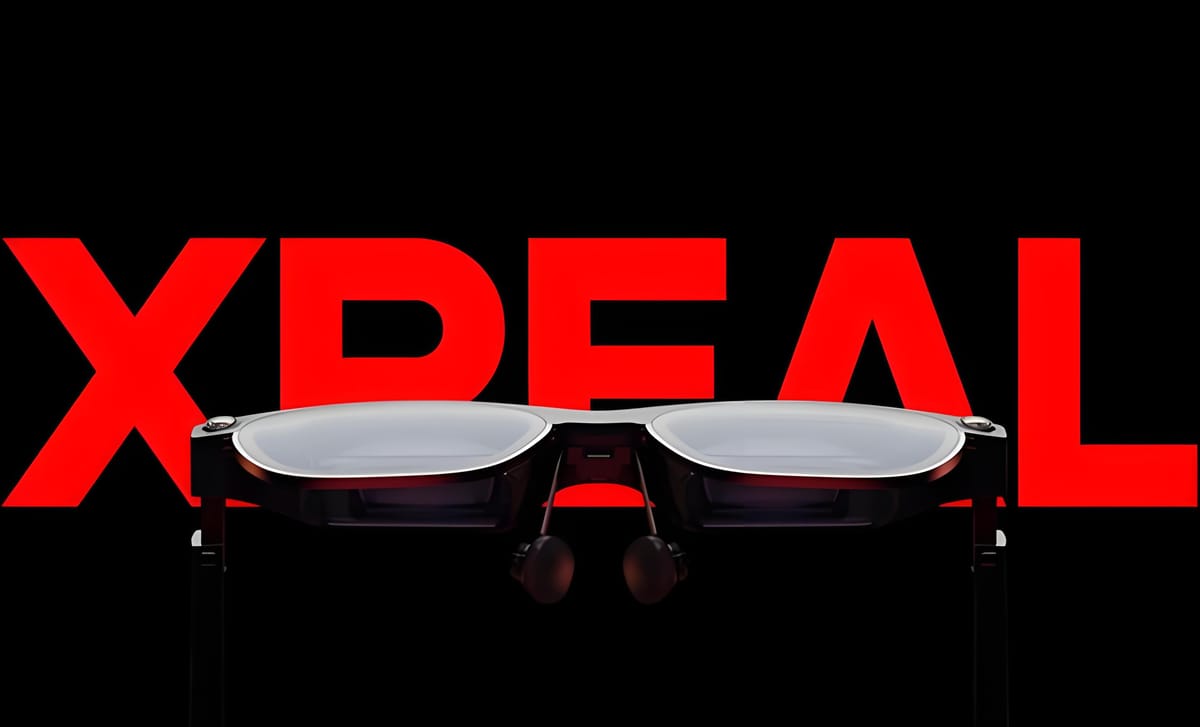
Chinese AR glasses pioneer XREAL has filed for a Hong Kong initial public offering, igniting speculation over which independent smart glasses maker will claim the "first mover" advantage in capital markets—even as Apple, Huawei, and other tech behemoths prepare to flood the sector.
The Hangzhou-based company submitted its prospectus to the Hong Kong Stock Exchange in early April 2026, revealing a business model built on high-margin hardware but stagnant unit volumes. XREAL's gross margin surged to 35.2% in 2025 from 18.8% two years prior, rivaling Apple's hardware margins. Yet annual shipments hovered around 130,000 units for three consecutive years, underscoring the niche appeal of AR glasses designed primarily as external displays for smartphones and PCs.
XREAL's IPO push comes as rival Rokid completed a corporate restructuring in March, fueling unconfirmed reports that the company could file as early as late April. Rokid CEO Zhu Mingming publicly dismissed any imminent listing timeline, emphasizing the firm's "ample cash reserves." Meanwhile, competitor Xbird has reportedly begun recruiting investor relations directors with IPO experience, adding to the sector's pre-listing frenzy.
Cash Crunch Drives Listing Urgency
XREAL's filing exposes a capital squeeze typical of hardware startups. Despite completing a Series D round at an $833 million (RMB 6 billion) valuation, the company held just RMB 63.6 million ($8.8 million) in cash at end-2025, down from RMB 205 million ($28.5 million) a year earlier. R&D spending declined for two straight years to RMB 183 million ($25.4 million) in 2025, raising questions about whether efficiency gains or funding constraints drove the cuts.
The company commands a 27% share of the global AR glasses market by revenue, according to its prospectus, outpacing the second-place competitor by 10.9 percentage points. However, that leadership shrinks dramatically in the broader smart glasses category, where Meta's Ray-Ban partnerships control 56.8% versus XREAL's 2.6%. CEO Xu Chi has ruled out launching AI-enabled glasses in 2026, citing unfinished user experience polish.
Rokid Breaks Out, Supply Chains Break Down
Rokid has taken the opposite bet, pivoting aggressively toward AI integration. The company's Glasses model—featuring on-lens display, voice assistant, and ring-based navigation—shipped nearly 300,000 units in 2025 after a viral demo by CEO Zhu at a January industry conference. Initial forecasts projected 100,000 units.
That breakout success exposed Rokid's Achilles' heel: supply chain leverage. First-week sales hit 40,000 units, but 30–40% of total orders faced delays into 2026. The company raised retail prices by RMB 800 ($111) above pre-order levels mid-campaign, an unusual move in consumer electronics that dinged brand perception. Zhu noted that only 16% of 2025 buyers worked in tech, down from 50% previously—evidence of mainstream adoption, but also a warning that operational hiccups carry higher reputational risk outside early-adopter circles.
Big Tech's Double-Edged Entry
Apple's rumored "Apple Glasses," targeting a Siri-centric AI experience in an all-day wearable form factor, will directly challenge Meta's Ray-Ban partnership, Bloomberg reported. Google has teamed with XREAL on Project Aura, slated for late 2026 launch. Domestically, Huawei has confirmed an AI glasses debut in the first half of 2026, while Baidu and projector maker XGIMI are developing rival products.
IDC forecasts global AI glasses shipments will reach 22.67 million units in 2026, up 56.3% year-over-year, with China accounting for 4.51 million units (77.7% growth). Rather than spelling doom for independents, the incumbent wave may accelerate category maturation. Large-scale R&D and marketing budgets will subsidize consumer education and supply chain economies of scale—benefits that typically accrue to all players in nascent hardware categories.
Smart glasses' "worn-on-face" nature also creates structural differentiation opportunities around fit, style, and comfort that may insulate smaller brands from direct feature competition. XREAL's partnership with Google exemplifies how first movers can secure OEM or co-development roles even as giants enter.
The open question is whether XREAL, Rokid, and peers can secure public market capital before burning through private reserves—or whether one stumbles in the final sprint to the bell, leaving rivals to claim the sector's first listing premium.
Related Coverage: