
Alibaba Cloud Targets ‘Android of AI’ Role With New Hardware Kit
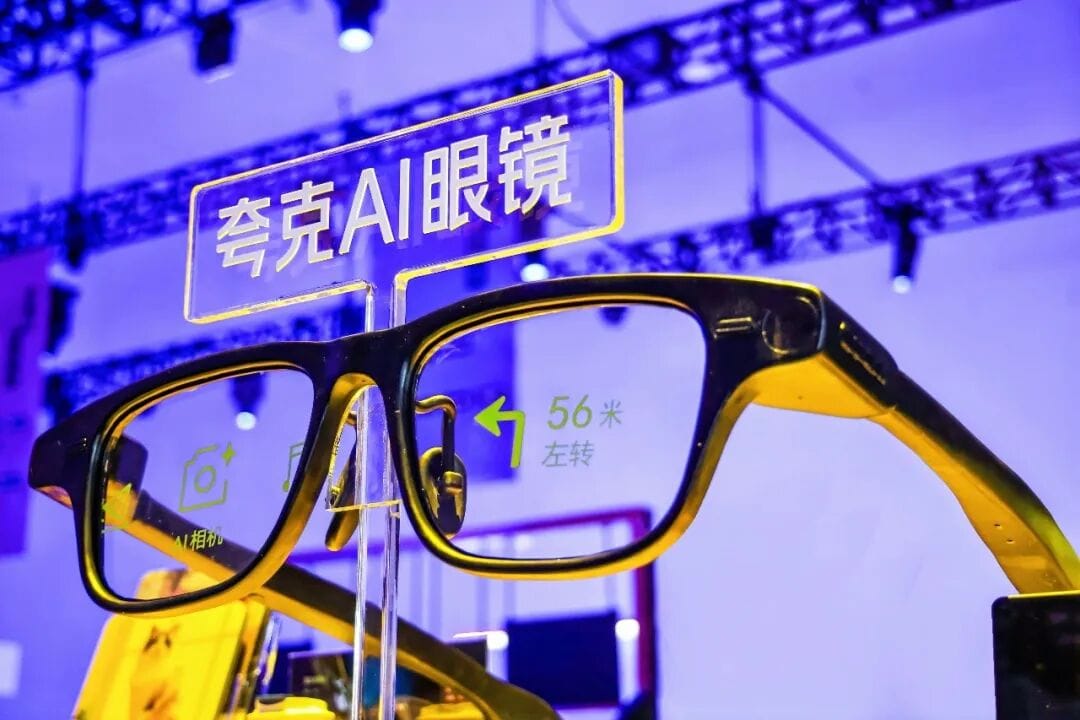
Alibaba Cloud is positioning its Tongyi Qianwen large language model as the foundational operating system for the next generation of smart devices, aiming to replicate the open ecosystem success of Android in the artificial intelligence era.
At a recent intelligent hardware exhibition in Shenzhen, the cloud computing unit of Alibaba unveiled a new multimodal interaction development kit. This suite integrates language, vision, and voice models with agent tools, designed to embed AI into devices ranging from smart glasses to robots.
The strategic pivot comes as the technology industry shifts focus toward "Physical AI." During the 2026 CES in Las Vegas, Nvidia Corp. CEO Jensen Huang noted that the "ChatGPT moment" for physical AI has arrived. Alibaba Cloud’s initiative addresses this by offering solutions that give hardware perception and decision-making capabilities, bridging the "last mile" of AI deployment.
By providing a comprehensive software-hardware integration solution and shifting to a license-based pricing model, Alibaba Cloud aims to lower development barriers for manufacturers. This strategy allows the company to secure a critical position in the hardware ecosystem infrastructure without producing the end devices itself.
The Android Strategy
Alibaba Cloud’s approach mirrors the Android operating system’s strategy of breaking down technical barriers through open-source adaptation. The company is offering a platform with "full-size, full-modal open source" capabilities, enabling devices with varying costs and positioning to run intelligent systems.
"Tongyi series models are cooperating with all AI hardware categories, including AI glasses, speakers, alarms, and TWS headset derivatives," said Xu Dong, general manager of Alibaba Cloud's Tongyi large model business.
To achieve scale, Alibaba Cloud is opening its capabilities to upstream supply chain partners, such as chip and module manufacturers. The multimodal interaction development kit actively adapts to over 30 mainstream terminal chip architectures, including Xuantie RISC-V, establishing a collaborative optimization solution from the underlying chip instruction set to the upper-layer application experience.
Enhancing Hardware Capabilities
The integration of the Qianwen model (What Is Alibaba’s Qwen App — And Why It Signals the Rise of AI That Gets Things Done) is already reshaping product functionality across the consumer electronics sector. At the Shenzhen exhibition, more than 1,000 smart hardware products from over 200 brands—including Honor and Oppo—were displayed, most built on the Qianwen model.
Specific applications demonstrate significant leaps in capability. For instance, a pet translator developed by Pettichat and NetEase Fuxi utilizes Qianwen’s multimodal semantic understanding to translate pet sounds with 94.6% accuracy. The device processes audio and converts it to human language in just one second.
In manufacturing hubs like Huaqiangbei and Yiwu, the trend has sparked a transformation of traditional goods. Standard items such as water cups and phone cases are being upgraded into AI-enabled products, creating new industrial clusters centered around "Physical AI."
Shifting Business Models
Beyond technology, Alibaba Cloud is altering the commercial framework for AI hardware to improve cost predictability for manufacturers. The new development kit has shifted its charging mode from a token-based (word count) system to a license-based (hardware unit count) model.
Xu noted that traditional token billing made cost accounting difficult for hardware makers, as heavy user interaction could lead to unpredictable expenses. The license model provides the certainty required for mass production and pricing strategies.
This shift supports a transition for hardware manufacturers from one-time hardware sales to sustainable service revenue. By utilizing pre-built agent tools, manufacturers can launch subscription services with lower operating costs, moving away from low-margin hardware price wars.
A Trillion-Yuan Market
The strategic push targets a rapidly expanding market. Data from RUNTO Technology indicates that the scale of China's AI hardware market—excluding mobile phones and automobiles—is projected to exceed RMB 1.1 trillion (US$152 billion) in 2025.
The sector is forecast to grow by 13.4% year-on-year, with sustained high-speed growth expected over the next five years. As the competition for AI implementation moves from the cloud to physical terminals, Alibaba Cloud is focusing on the underlying capabilities to drive this ecosystem expansion.