
Anker Innovations Bets Big on Growth Amid Cash Flow Pressures
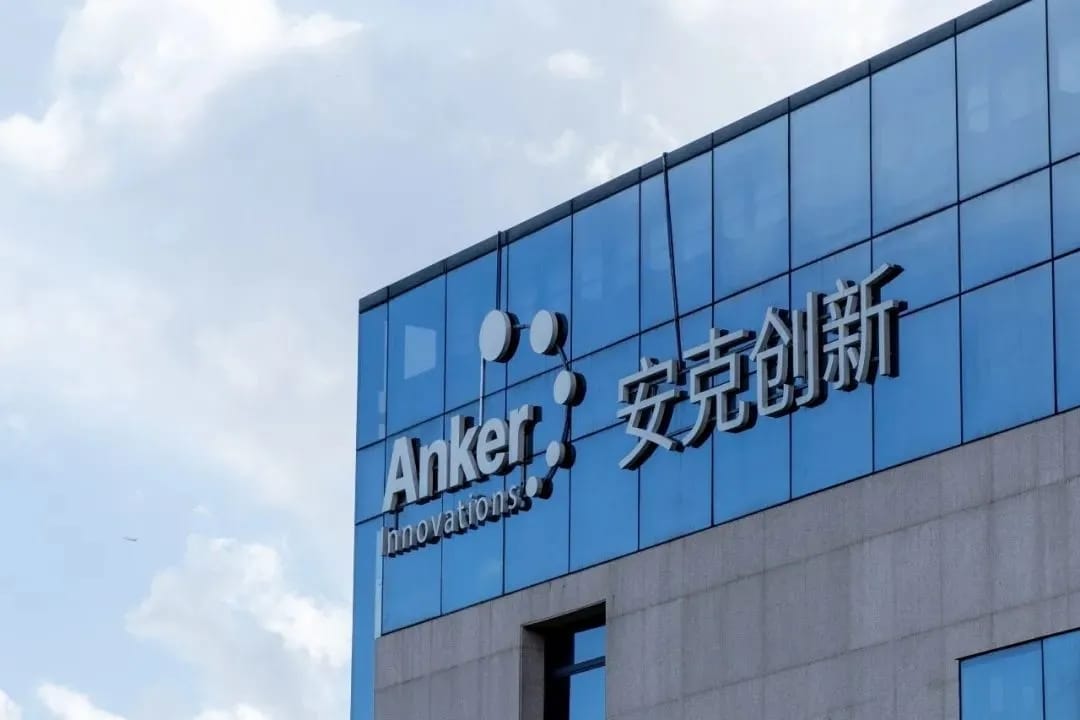
Anker Innovations Technology is navigating a period of sharp contrasts, pairing robust top-line growth with deteriorating financial health and operational pressures. While the consumer electronics maker posted impressive double-digit gains in revenue and profit for the first half of 2025, the performance is overshadowed by a significant cash flow deficit, record-high leverage, and costly product quality issues, prompting a series of strategic moves to fortify its position.
The company recently confirmed the appointment of Jia Jingdong, former vice president of branding at vivo, as its new Chief Marketing Officer, a high-profile hire aimed at steering its brand strategy through rising challenges. The move comes as Anker reported first-half revenue of RMB 12.87 billion yuan, a 33.36% year-over-year increase, while net profit climbed 33.80% to RMB 1.17 billion yuan, indicating solid profitability alongside its expansion.
However, the strong earnings report is contrasted by a sharp deterioration in its financial health. The company's operating cash flow plunged to a negative RMB 1.13 billion yuan (negative US$156 million) from a positive figure in the prior year, a staggering decline of 234.58%. This reversal has pushed its debt-to-asset ratio to a historical high of 50.04%, signaling increased financial risk for the Shenzhen-listed company.
Compounding the financial pressure are recent product quality issues, which forced the company to provision RMB 130 million for product quality guarantees and write down RMB 238 million in inventory. In response to the mounting pressures, Anker is reportedly planning a secondary listing in Hong Kong to raise capital and has implemented a restricted stock incentive plan to retain key personnel.
Cash Flow Reverses Amid Surging Inventory
The primary driver behind Anker's negative operating cash flow is a massive buildup of inventory, which surged by nearly 68% to RMB 5.3 billion in the first half of 2025. The company attributed the increase to advance stocking for future sales, a move that also suggests caution regarding potential market shifts and supply chain volatility. The inventory glut also led to an inventory-impairment provision of RMB 238 million.
Despite the cash flow strain, Anker announced a dividend plan of RMB 7 per 10 shares, totaling a payout of RMB 375 million. This decision has drawn scrutiny as it further depletes the company's liquidity at a time of rising financial risk. Approximately RMB 178 million of the dividend will be paid to the company's co-founders and controlling shareholders, Yang Meng and He Li.
Diversified Products and European Expansion Drive Sales
Anker's revenue growth was broad-based across its product lines and key geographies. Its core charging and energy storage products remained the largest segment, with sales rising 37% to RMB 6.82 billion, accounting for nearly 53% of total revenue. Smart innovation products grew 37.77% to RMB 3.25 billion, while the smart audio category saw a 21.20% increase to RMB 2.8 billion.
Geographically, Europe was the standout performer, with revenue surging 66.96% to RMB 3.43 billion. North America, its largest market, posted solid but decelerating growth, with sales increasing 23.20% to RMB 5.7 billion, a slowdown from the 40.68% growth rate seen in the same period last year. The company's niche market strategy, focusing on segments with under $50 billion in annual sales, continues to yield results, particularly in its Anker SOLIX energy storage line, which saw revenue jump 184% in 2024 to over RMB 3.02 billion.
Shifting Strategy Beyond Amazon
Anker is actively reducing its historical reliance on Amazon, diversifying its sales channels to improve margins and customer reach. While Amazon still accounts for nearly half of its revenue, its share has decreased from 54.66% in 2021. The push into offline retail through partnerships with giants like Walmart, Best Buy, and Costco is gaining traction, contributing 32.58% of first-half revenue.
Meanwhile, the company’s direct-to-consumer (DTC) strategy is accelerating, with sales from its independent websites soaring 102.85% year-over-year. This shift not only enhances profitability but also strengthens user loyalty and provides valuable consumer data.
Expansion Breeds Complexity and Quality Concerns
While Anker's multi-category expansion has fueled its growth, it has also introduced significant challenges. The company now competes across numerous distinct segments—from charging and smart home security to audio—diluting resources and forcing it to fend off a wider array of specialized competitors.
This operational complexity was exposed by a global recall of 1.87 million power banks in June due to safety hazards. The incident highlighted potential weaknesses in quality control within its outsourced manufacturing model and raised questions about its ability to manage a rapidly diversifying product portfolio. These quality concerns, combined with its strained cash flow and high overseas market dependency, present formidable headwinds as Anker attempts to sustain its growth trajectory.