
DJI, Insta360, and Dreame Ignite Turf War Across Drones, Cameras and Robotics
A trio of China’s dominant hardware makers are escalating their rivalry by invading each other's core markets, signaling a new, multi-front battle among titans of consumer technology. Drone king DJI, 360-degree camera specialist Insta360, and smart cleaning leader Dreame Technology are launching products that directly challenge one another, blurring the lines that once separated their empires in the sky, through the lens, and on the ground.
The conflict reached a new peak in August 2025, when Dreame confirmed its expansion into the drone business, a direct challenge to DJI's long-held dominance. The move followed DJI’s own strategic encroachment just weeks earlier, with the launch of its DJI ROMO robot vacuum, a high-end entry into the fiercely competitive smart cleaning market where Dreame is a major player.
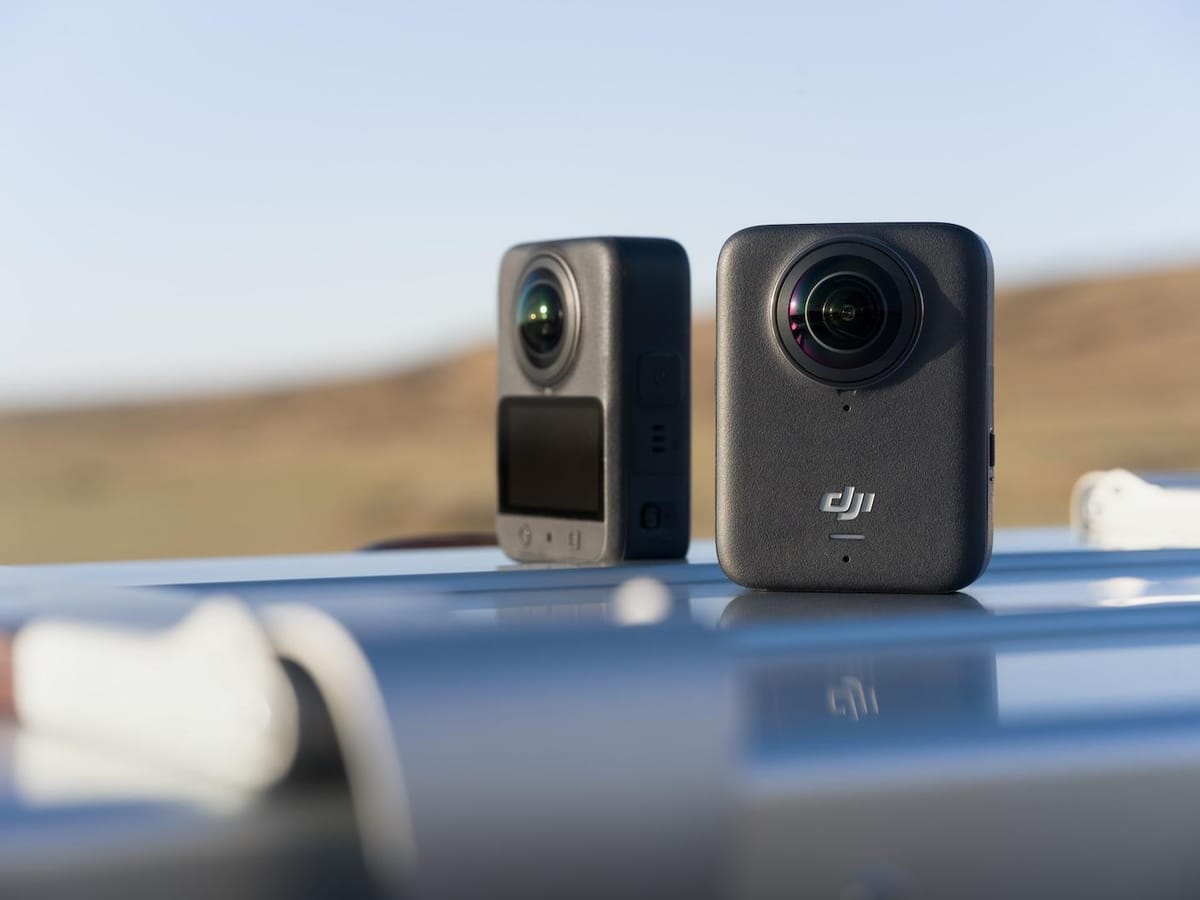
These maneuvers are part of a broader, tit-for-tat struggle. In late July 2025, DJI unveiled its Osmo 360 panoramic camera, targeting the main product line of Insta360. In response, Insta360 initiated a public beta for its "Antigravity A1" panoramic drone, marking a formal entry into DJI’s territory. The strategic gambit energized investors, sending Insta360’s stock up by 20% and pushing its market capitalization past RMB 100 billion yuan(US$ 14 billion).
This convergence is fueled by a search for fresh growth as each company confronts market saturation and mounting competition in its primary sector. By leveraging shared underlying technologies in sensors, artificial intelligence, and motor systems, these giants are betting they can replicate their success in adjacent, high-margin categories, setting the stage for a prolonged and costly clash.
Giants Pivot to Each Other's Strongholds
The three companies, each born from a founder's technical obsession, are now aiming their expertise at one another.
Founded in 2006 by Frank Wang, DJI grew from a small workshop into a global force, now commanding over 70% of the consumer drone market. The company reported revenues of RMB 80 billion yuan(US$ 1.12 billion) and a net profit of RMB 12 billion yuan(US$ 168 million) in 2024.
Insta360, established in 2015 by tech prodigy Liu Jingkang, defeated rivals like Samsung and Ricoh to become the world leader in panoramic cameras, holding a 67.2% market share in 2023. After its IPO on Shanghai’s STAR Market in June 2025, its valuation soared. Though its 2024 revenue of RMB 5.57 billion yuan (US$774 million) and net profit of RMB 990 million yuan(US$139 million) are a fraction of DJI’s, its dominance in the camera space is undisputed.
Dreame Technology, founded in 2017, began as an OEM manufacturer for Xiaomi before developing its own brand. Anchored by its cutting-edge, high-speed motors, Dreame has evolved into a top-five global cleaning appliance brand, with reported 2024 revenues reaching RMB 15 billion yuan(US$ 2.1 billion).
This summer, their long-brewing ambitions spilled into open conflict. DJI's Osmo 360 camera launch in July was met by Insta360’s drone announcement a few weeks later. Subsequently, DJI’s entry into robot vacuums in August was followed by Dreame's confirmation of its drone and camera plans, creating a "triangular war" in the consumer electronics space.
The Hunt for New Growth
The primary driver behind this crossover battle is the urgent need to find new revenue streams as core markets mature.
For DJI, the ceiling is fast approaching. The company has dominated the consumer drone market for years, but founder Frank Wang warned of impending market saturation as early as 2016. One report projects that China's consumer drone market growth will plummet to just 8% in 2025, making diversification imperative.
Insta360 faces similar pressures, which have become more acute since its public listing. The company’s revenue growth slowed from 78.2% in 2023 to 53.3% in 2024, while net profit growth dropped from 103.7% to 19.9% over the same period. In the first quarter of 2025, revenue growth decelerated further to 40.7% and net profit fell 2.5% year-over-year. Entering the massive drone market is seen as a necessary move to justify its RMB 100 billion yuan(US$ 1.4 billion) valuation.
Dreame's predicament lies in the brutal competition of the robot vacuum market, which has become a red ocean. The industry is trapped in a paradox where rising sales and market share are failing to translate into higher profits. Competitors like Ecovacs and Roborock are already facing significant profit erosion, a fate Dreame is keen to avoid by expanding outward. "Once companies get big enough, they usually choose to diversify," said Liang Zhenpeng, a senior industry analyst, noting that the core technologies in perception, decision-making, and execution are similar across these product categories.
Diverging Tactics for a New Arena
In this three-way fight, each company is deploying a distinct playbook.
DJI’s approach to the panoramic camera market is one of direct, aggressive competition. It priced its Osmo 360 at RMB 2,999 yuan(US$ 421), undercutting Insta360’s comparable Insta360 X5, which was selling for RMB 3,298 yuan(US$ 463). Backed by DJI’s powerful brand and imaging prowess, honed by its acquisition of Hasselblad, this price difference is sufficient to sway many consumers. Insta360 immediately responded by cutting its price by RMB 500 yuan(US$ 70).
In contrast, DJI is positioning itself at the premium end of the robot vacuum market. Its flagship ROMO P model is priced between RMB 5,779 yuan(US$ 812) and RMB 6,289 yuan(US$ 883), significantly higher than Dreame’s flagship X50 Pro series. This high-end strategy is a gamble, as new market entrants typically use lower prices to gain a foothold.
Meanwhile, the drone strategies of Insta360 and Dreame appear more cautious. Market speculation suggests Insta360’s drone may target the mid-to-low-end consumer segment, while Dreame might initially focus on industrial applications or OEM manufacturing, avoiding a direct confrontation with DJI in the saturated consumer space.
Regardless of their initial strategies, price wars appear inevitable. Liang, the analyst, noted that all three product categories—drones, panoramic cameras, and robot vacuums—boast high gross margins, some exceeding 50%, which creates "huge room for future price wars."
Beyond Price: The Battle for Consumer Loyalty
While aggressive pricing can capture initial market share, the ultimate outcome of this conflict will likely be decided by consumer trust and brand perception. DJI, Insta360, and Dreame each enjoy a stellar reputation in their respective domains, but whether that loyalty can be transferred to entirely new product categories remains a critical question.
The road ahead is fraught with challenges for all three companies, including the pains of technology migration, the difficulty of shifting consumer mindsets, and the test of new business models. In this expanding war, the final winner may not be the company with the strongest existing advantage, but the one that can most quickly and effectively shore up its weaknesses on new terrain.