
China's Robotaxi Fleet to Grow 10-Fold by End of 2026, HSBC Predicts
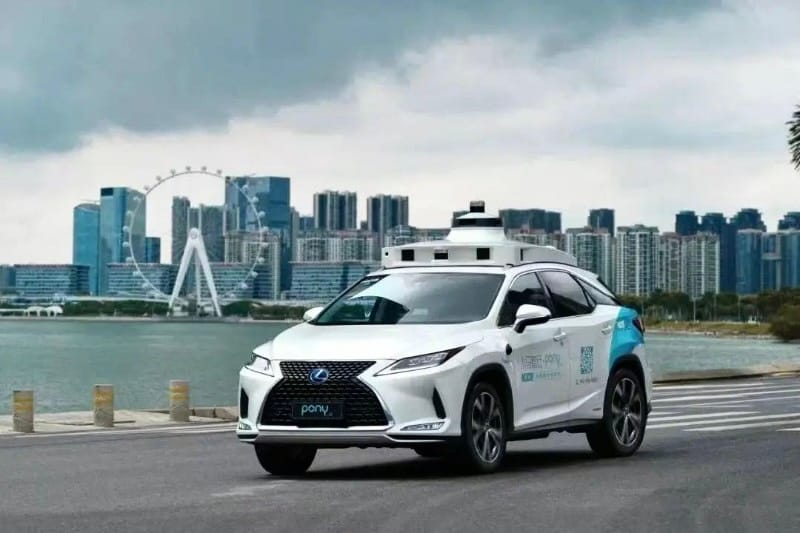
China's autonomous taxi industry is poised for dramatic expansion with fleet sizes expected to grow ten-fold between the second half of 2025 and 2026, driven by technological maturity, strengthened policy support and improved fleet operational returns, according to HSBC analysts. The investment bank predicts robotaxi services will eventually cost 10% to 20% less than traditional taxis and ride-hailing services.
HSBC analysts Yuqian Ding and Michel Liu noted in a recent report that the commercialization of China's autonomous taxi services is reaching a critical inflection point. The expansion wave is expected to unfold as technical capabilities advance and regulatory frameworks become more supportive.
During recent test rides and investor visits with Pony.ai and WeRide, HSBC observed that autonomous driving technology now operates smoothly within designated areas. Users can hail vehicles through mobile apps, with cars capable of navigating busy traffic, changing lanes and stopping at traffic lights without requiring drivers or safety operators onboard.
The cost per robotaxi has dropped to approximately 300,000 yuan ($40,000) thanks to declining sensor costs, while vehicles now feature enhanced processing power, improved AI algorithms and larger datasets.
Technology Deployment Accelerates Across Major Cities
Robotaxi technology currently operates smoothly in designated areas across major cities including Shenzhen, Guangzhou, Beijing and Shanghai, with some pilot projects offering 24/7 unmanned services. The regulatory environment is showing positive signals, with HSBC expecting authorities to issue more licenses and open additional service areas to operators.
In Guangzhou, for example, robotaxi services are expected to soon cover the entire city rather than being limited to areas like Nansha district. This creates a virtuous cycle where technological maturity and policy support improvements enhance the commercial viability of operational costs.
HSBC noted that market leaders can now deploy services in new cities within a month or less, addressing the core challenge of adapting autonomous driving algorithms to different urban layouts and road conditions while ensuring safety.
Scale Expansion Becomes Key Growth Driver
In recent discussions with ride-hailing platforms like GoFun and robotaxi fleet operators, HSBC observed changing dynamics between technology disruptors and existing market participants. Ride-hailing companies are increasingly eager to collaborate with robotaxi companies in building fleets.
This shift is driven by three factors: the attractive profit pool, as driver costs typically account for 50% of ride fares and profit-sharing agreements could significantly boost current taxi fleet profit margins from around 5%. Second, robotaxi fleet expansion faces strict regulation, with licenses likely granted primarily to established platforms and fleet operators in early stages. Third, strong fleet order momentum and potential license quotas will support overall growth.
According to data from GoFun, more than half of first-time users return to use robotaxi services again, indicating growing public acceptance.
Global Partnerships Accelerate International Deployment
Global mobility platforms are actively positioning themselves in the robotaxi space. Uber Technologies Inc. has invested broadly in the robotaxi industry, including strategic partnerships with Chinese companies Pony.ai and WeRide, as well as autonomous driving technology company Momenta.
Uber and Momenta announced a strategic robotaxi deployment agreement in May 2025, with plans announced in September to test Level 4 autonomous vehicles in Germany next year. For Pony.ai, its robotaxi services and fleet will be integrated into Uber's platform to jointly accelerate autonomous driving technology commercialization.
Uber also strengthened its partnership with WeRide in May 2025, with plans to deploy robotaxis at scale across 15 new cities including locations in Europe and the Middle East over the next five years. Southeast Asian mobility platform Grab committed to a strategic equity investment in WeRide in August 2025 to accelerate robotaxi deployment in Southeast Asia.
These partnerships demonstrate that the global mobility market recognizes the leading position of Chinese robotaxi technology, with international deployment accelerating rapidly.