
BYD Launches Extended-Range Plug-In Hybrids with 210km Electric Range
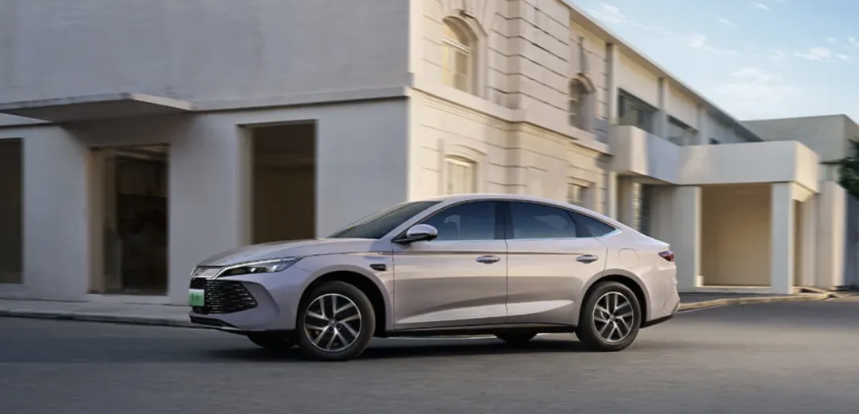
BYD is introducing long-range versions of four plug-in hybrid models with 210 kilometers of pure electric range, marking a strategic push into larger battery capacities for its mainstream lineup and potentially reshaping market expectations for affordable plug-in hybrids in China.
The company released promotional materials this week announcing extended-range variants of the Qin Plus DM-i, Qin L DM-i, Seal 05 DM-i, and Seal 06 DM-i models, scheduled for launch on January 8 and 9. The new versions will feature 26.6 kWh batteries, up from current offerings that provide between 55km and 128km of electric-only driving range under China's CLTC testing cycle.
The move comes as BYD seeks to maintain its dominance in China's plug-in hybrid segment, where it sold 2.26 million units in 2025, accounting for just over half of its total 4.6 million vehicle sales. The company's pivot to larger battery capacities follows intensifying competition in the mid-to-premium segment, where rivals have introduced plug-in hybrids with electric ranges exceeding 300km.
The launches also arrive as BYD faces downward pressure on its plug-in hybrid mix, with these four models representing key volume drivers that could influence broader market perceptions of electric range capabilities at accessible price points.
Enhanced Specifications and Features
The extended-range variants will incorporate upgraded components beyond battery capacity improvements. According to dealer information shared on social media platforms, the Qin Plus DM-i long-range version adds double-layer acoustic glass, 16-inch alloy wheels, rear cup holders and armrests, six-way power-adjustable driver seats, and power-folding exterior mirrors.
The Qin L DM-i version focuses on technology enhancements, integrating the latest DiLink 6.0 infotainment system, Shen Yan Eye-C driver assistance system, and Yunnan-C chassis technology. The Seal 05 DM-i will receive the driver assistance system, power-adjustable driver seats, and upgraded wheels, while the Seal 06 DM-i adds the advanced chassis, tire pressure stability control, a heating-and-cooling refrigerator, and a 15.6-inch central display.
The comprehensive upgrades suggest BYD is positioning these variants as mid-cycle refreshes rather than simple battery capacity increases, potentially justifying higher pricing to maintain margins.
Pricing Strategy Under Scrutiny
Current base versions of the Seal 05 DM-i and Qin Plus DM-i start at 79,800 yuan, while the Seal 06 DM-i and Qin L DM-i range from 96,800 yuan to 106,800 yuan. Market observers and dealers anticipate the extended-range versions will command premiums given the substantial range improvements and feature additions.
Dealer and consumer estimates place the Seal 05 DM-i 210km variant between 86,000 yuan and 96,000 yuan, with the Seal 06 DM-i expected at 116,800 yuan to 126,800 yuan. Speculation on Dynasty network models varies more widely, with some predictions matching Ocean network pricing while others suggest the Qin Plus DM-i could rise 20,000 yuan and the Qin L DM-i by 30,000 yuan.
The 26.6 kWh battery pack is expected to match specifications in the Song L DM-i's 200km variants, priced at 146,800 yuan and 156,800 yuan. Some analysts suggest the Qin L DM-i long-range version could reach 120,000 yuan to 130,000 yuan given its larger dimensions compared to the Song L DM-i and inclusion of premium chassis and driver assistance technologies.
Market Positioning and Competitive Landscape
The extended-range launches address a gap in China's plug-in hybrid market around the 150,000 yuan price point, where models exceeding 200km electric range remain scarce and predominantly consist of SUVs. Current offerings include the Dongfeng Forthing L7 with 205km range, FAW Bestune Yueyi 07 at 210km, Leapmotor C10 at 210km, and Geely Galaxy Starship 7's optional large battery configuration reaching 200km.
Most plug-in hybrids at this price level deliver 120km to 160km electric range, typified by the Roewe M7 DMH with standard 160km range priced up to 114,800 yuan, and the Geely Galaxy Xingyao 6 offering 125km range for up to 99,800 yuan. With the exception of the Starship 7 and Leapmotor C10, other 200km-plus models have achieved limited sales traction.
BYD maintained a measured approach throughout 2025 despite escalating competition in premium segments, where extended-range plug-in hybrids and models like the Leapmotor C11 and Deepal S07 reached 300km electric range. The company's timing mirrors its pattern of launching significant product initiatives early in the calendar year, following its "Champion" and "Glory" editions in 2023-2024 and the mass-market autonomous driving push in early 2025.
Implications for Industry Trajectory
With BYD's DM-i models maintaining monthly sales exceeding 200,000 units despite declining share of total deliveries, even modest adoption of extended-range variants could influence consumer expectations for affordable plug-in hybrids. The company's market leadership position amplifies the potential impact of product strategy shifts on broader industry standards.
The four-model rollout likely previews similar battery upgrades across BYD's Dynasty and Ocean network lineups, representing a comprehensive product refresh cycle. Whether extended-range versions become volume drivers or remain niche offerings will depend heavily on final pricing relative to base models and competing alternatives. The launches test market appetite for premium features bundled with extended electric range at price points traditionally associated with basic plug-in hybrid specifications.