
BYD's Pure-EV Crown Masks Deeper Profitability Test as Domestic Momentum Stalls
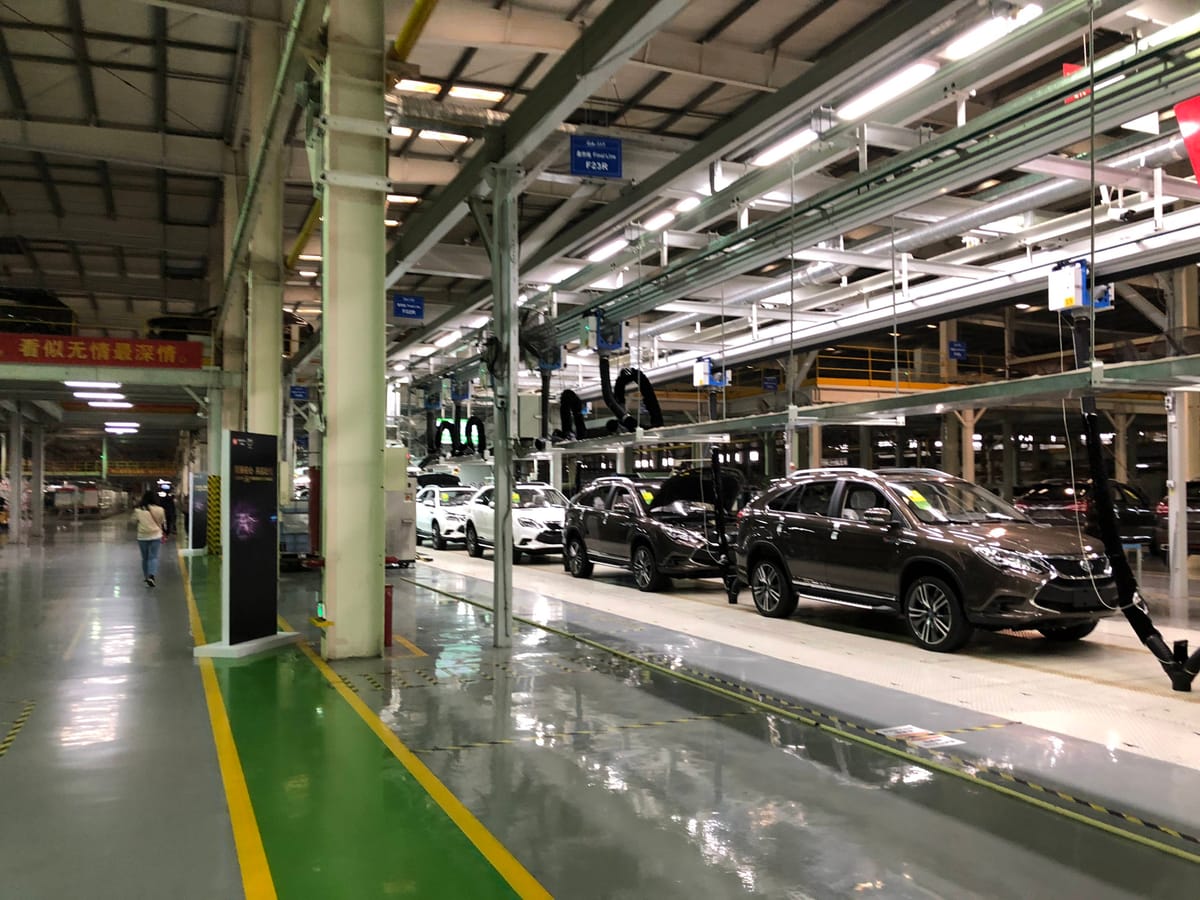
BYD's ascent to the world's largest pure electric vehicle seller in 2025—delivering 2.25 million battery-only units to dethrone Tesla—marks a symbolic shift in automotive power dynamics. Yet this milestone arrives amid a contradictory reality: the Shenzhen-based automaker recorded consecutive year-on-year sales declines from September through December 2025, with December alone dropping 18% versus prior year, the steepest monthly contraction in two years. The crown transfers not through accelerating growth but through Tesla's 8.6% global sales retreat and China's maturing EV adoption curve now demanding profitability over volume.
Vertical Integration Delivers 520-Basis-Point Margin Edge Over Tesla
BYD's overtaking crystallized less from product superiority than surgical cost engineering. Third-quarter 2025 data revealed automotive-related gross margins of 20.6% after stripping out BYD Electronics contributions—a 5.2-percentage-point cushion over Tesla's 15.4% automotive margin. This gap stems from BYD's control of over 90% component production, spanning blade battery cells to the three-tier "Eye of Gods" ADAS platforms (A/B/C variants). While Tesla pioneered minimalist manufacturing, BYD weaponized supply chain autarky to absorb China's average passenger vehicle pricing slide from RMB 184,000 in 2024 to RMB 178,000 through November 2025.
This structural advantage coincided with technical architecture shifts. Pure-EV models captured 60.2% of China's 12.85 million new energy vehicles sold in 2025, while range-extender EVs shrank to 9.4% share as plug-in hybrids held 30.4%. The collapse of charging anxiety—driven by 800V platforms and network densification—allowed BYD's blade battery safety narrative to resonate with family buyers prioritizing total cost below combustion parity. Tesla's stagnation partly reflected external shocks: CEO Elon Musk's political positioning triggered brand backlash in certain demographics, while U.S. federal EV credit rollbacks and resource diversion toward robotaxi projects left Model lineup refreshes delayed.
Premium Pricing Power Lags Volume Leadership in European Strongholds
The margin arithmetic, however, conceals geographic and segmentation weaknesses. UBS research into German consumer sentiment found only 12% of respondents willing to pay BBA-equivalent premiums for BYD models, with most positioning the brand as "well-equipped budget alternatives." Despite BYD's eightfold sales surge in Germany year-on-year, the volume concentrates in sub-premium tiers. Tesla's Model S and Model X retain dominance above the RMB 300,000-400,000 threshold, a bracket where BYD's Yangwang and Denza sub-brands have yet to establish pricing authority. Overseas factory footprints—Thailand, Uzbekistan, Brazil facilities totaling 300,000+ annual capacity, plus Hungary and Malaysia sites under construction—prioritize tariff mitigation and logistics efficiency but cannot immediately replicate the brand equity Toyota built across 75 global production bases.
This premium deficit carries compounding risk as China's regulatory roadmap accelerates Level 3 autonomy certification. If RMB 100,000-200,000 vehicles soon embed full-stack driver-assist matching RMB 300,000-500,000 feature sets, high-margin flagship models face margin compression from below. Industry-wide automotive operating margins already contracted from 6.2% in 2020 to 4.3% in 2024, pressuring automakers to shift battlegrounds upmarket. BYD's December stumble—sales down 12.45% month-on-month—signals the domestic volume engine cooling as the market matures toward projected 10% annual growth in 2026, down from 2025's expansion.
Tesla's FSD Europe Push and Capacity Ramp Reframe 2026 Competitive Variables
The 2026 landscape pivots on asymmetric strategic resets. Tesla's October launch of a cheaper Model Y Standard variant and Musk's renewed operational focus telegraph intent to reclaim share through product cadence rather than price wars, given its margin disadvantage. More substantively, Tesla's campaign to secure Full Self-Driving regulatory approval in Europe targets a differentiation vector beyond manufacturing cost—software monetization and autonomous fleet optionality that BYD's hardware-centric model does not yet address. Capacity expansions at Berlin and Texas gigafactories, paired with scouted India and Southeast Asia sites, prepare supply chain countermoves against BYD's factory proliferation.
BYD's 110-country distribution footprint and inaugural 1 million overseas unit milestone in 2025 demonstrate export velocity, yet the comparison to Toyota's 190-market dealership web and decentralized regional R&D exposes scale gaps. The capital intensity of owned-factory models versus asset-light licensing arrangements will test BYD's balance sheet as it simultaneously defends eroding domestic share and funds localization in protectionist markets. Tesla's valuation resilience despite sales declines—sustained by AI and humanoid robotics narratives—hints that future competitive dimensions may transcend vehicle unit economics entirely, a terrain where BYD's electrification expertise holds less structural advantage.
The pure-EV crown certifies BYD's manufacturing execution but exposes the harder question: whether dominance in a 50%-penetration home market translates to sustainable profitability across fragmented global jurisdictions with entrenched incumbents. The gap between sales leadership and brand pricing power now defines the company's 2026 imperatives as much as any production target.
By ChinaBiz Insider Analysis Desk