
China Auto Exports Surge 22% in 2025 as Hybrids and Emerging Markets Offset Trade Headwinds
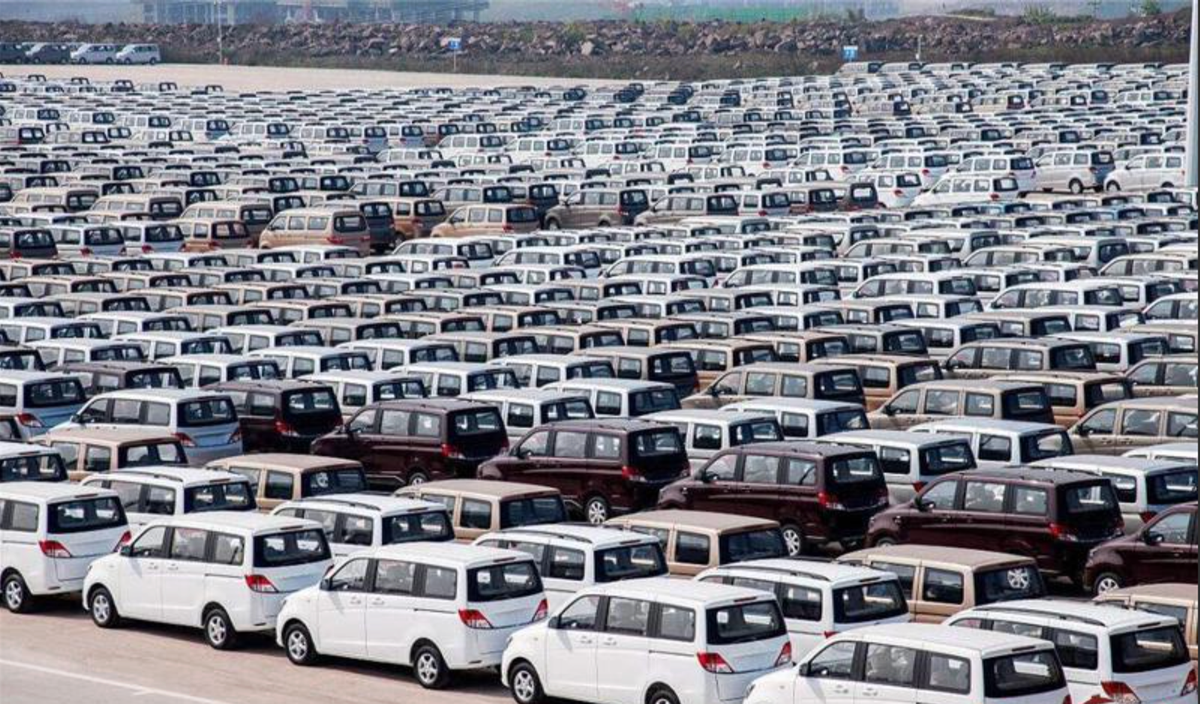
China’s automotive exports recorded robust double-digit growth in the first ten months of 2025, driven by a surge in demand for plug-in hybrid vehicles and a strategic pivot toward Latin American and Middle Eastern markets. The expansion comes as Chinese automakers successfully diversify away from reliance on Russia and navigate evolving trade barriers in Western economies, maintaining momentum despite a saturated domestic market.
Total vehicle exports reached 6.46 million units between January and October, a 22% increase compared to the same period last year, according to data analyzed by Cui Dongshu, Secretary General of the China Passenger Car Association (CPCA). New energy vehicles (NEVs) significantly outperformed the broader sector, with exports jumping 54% to 2.65 million units. October provided a particularly strong showing, with total shipments rising 40% year-on-year to 821,000 units.
While pure electric vehicle (BEV) exports continue to grow, the market is witnessing a structural shift toward plug-in hybrid electric vehicles (PHEVs), which have replaced pure electrics as the primary engine of export growth. This trend reflects a broadening appeal for Chinese technology in markets with less developed charging infrastructure, alongside a specific boom in electric pickup trucks. Consequently, while exports to Russia have stabilized following a massive surge in 2023 and 2024, mostly involving internal combustion engines, the NEV segment is finding deeper traction in Brazil, Mexico, and the United Arab Emirates.
The continued export strength offers a crucial lifeline for manufacturers facing fierce price competition within China. However, the data reveals falling unit prices and shifting regional dynamics, suggesting that while volume is expanding, companies like BYD Co. and Chery Automobile Co. are adapting to a more complex global trade environment characterized by tariff uncertainties and intensifying competition.
Hybrid Surge Powers NEV Growth
The composition of China’s auto exports is undergoing a rapid transformation. While pure electric vehicles remain significant, accounting for 29% of exports year-to-date, their growth has been eclipsed by the hybrid sector. According to Cui, plug-in hybrid exports surged significantly, with PHEV passenger cars and pickups becoming a standout growth point.
In October alone, NEV exports reached 328,000 units, a 65% year-on-year increase. The data indicates that plug-in hybrids and standard hybrids are increasingly serving as substitutes for pure electric growth in overseas markets. This shift has helped Chinese automakers maintain momentum even as the European Union imposes stricter tariff regimes on pure electric imports. The export mix is also seeing high-quality development in Western Europe and Asia, with markets like Belgium and the UK remaining top destinations for Chinese NEVs despite regulatory headwinds.
Latin America and Middle East Gains
Geographically, the dependency on the Russian market is waning as Chinese automakers aggressively expand into the Global South. While Russia remained the top single destination in October with over 93,000 units, its share of China's total exports has dropped from 25% in 2024 to 15% in 2025.
In its place, Mexico has emerged as the cumulative top export destination for the first ten months of 2025, absorbing over 483,000 vehicles. Brazil and the United Arab Emirates have also posted impressive growth, with Brazil adding over 25,000 units in October compared to the previous year. This diversification reduces exposure to geopolitical risks associated with the former Soviet bloc. Specifically, regarding NEVs, Brazil and Mexico are now among the fastest-growing markets, joining traditional strongholds like Thailand and the Philippines.
Pricing Pressures and Regional Hubs
Despite volume growth, the average price of exported vehicles has faced downward pressure. The average export price dropped to US17,000in2025,downfromUS17,000in2025,downfromUS18,000 in 2024 and US$19,000 in 2023. Cui attributes this decline partly to a reduction in the export share of Tesla Inc., which commands higher unit prices, and a broader shift toward more competitively priced models from domestic brands.
Domestically, the manufacturing geography is also shifting. While Shanghai remains a critical hub for high-value exports due to the presence of SAIC Motor Corp. and Tesla, Anhui province has cemented its status as the largest export base by volume, exporting 950,000 vehicles through October. This is largely driven by the aggressive overseas expansion of Anhui-based Chery Automobile Co. and Anhui Jianghuai Automobile Group Corp. (JAC Motors), which have effectively targeted emerging markets.
Commercial Vehicle Resilience
Beyond passenger cars, the commercial vehicle sector is showing renewed vigor. Exports of trucks grew by 26% and buses by 29% in the first ten months of 2025. The light truck segment has performed particularly well compared to the sluggish domestic market.
Innovation in the commercial sector is also evident, with plug-in hybrid pickups gaining traction in markets like Australia and Pakistan due to their utility and lower operating costs. Meanwhile, pure electric production vehicles are seeing increased uptake in developed markets, including the UK and Belgium, as logistic companies seek to decarbonize fleets.