
Alibaba Bets Future on 'Qwen' App in Pivot to Consumer AI Market
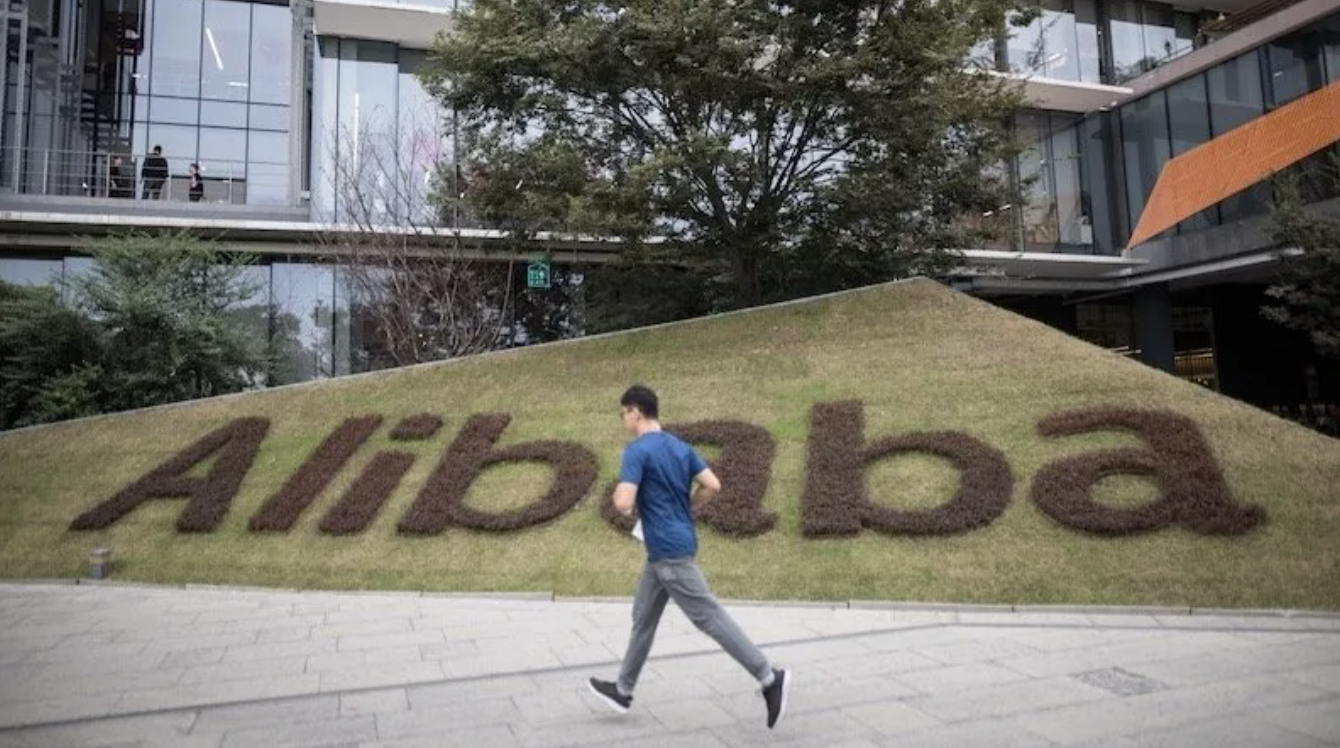
Alibaba Group Holding has initiated a high-stakes strategic shift to capture the consumer artificial intelligence market, designating its newly launched "Qwen App" as the central ecosystem for an array of services ranging from digital assistants to smart hardware. The initiative marks a departure from previous strategies, consolidating resources to build a unified AI entry point intended to rival established dominant players.
Following a decisive internal summit in September 2025, the Beijing-based tech giant mobilized nearly 900 elite engineers to Hangzhou to develop the standalone application, which officially launched on November 17. Early metrics indicate the app surpassed 10 million downloads within its first week, outperforming internal projections, while the subsequent release of Quark AI glasses—integrated with the Qwen ecosystem—has generated order volumes significantly exceeding initial estimates.
This mobilization represents a direct challenge to market leaders such as ByteDance’s Doubao and Tencent Holdings’ Yuanbao in the battle for a "Super App" interface. Sources familiar with the matter describe the initiative as the third critical "battle for destiny" under CEO Eddie Wu, positioning the consumer AI division alongside Cloud and core e-commerce as a primary pillar for the company's future growth trajectory.
The strategic pivot follows a boost in confidence regarding the capabilities of Alibaba’s Qwen3-Max model, released in September 2025. Executives aim to leverage the trillion-parameter flagship model to create a productivity-focused interface that integrates the company’s vast service ecosystem, distinguishing its offering from competitors that focus primarily on conversational companionship.
Project 'Total War'
To execute this strategy, Alibaba has adopted a "wartime" organizational structure, bypassing traditional departmental hierarchies. In late October, over 500 engineers were transferred within 96 hours to a secretive "war room" in Building C4 at the company's Xixi campus in Hangzhou. The team, which expanded to nearly 900 personnel within a week, draws on top talent from across the group, including the Tongyi model team and the intelligent information division.
Wu Jia, president of the Intelligent Information Business Group, has been appointed to lead the Qwen App project while retaining his role as CEO of Quark. The project operates with a high degree of autonomy; standard Objectives and Key Results (OKRs) were suspended in favor of agile, weekly targets driven by real-time user data and feedback. Funding approval processes have been streamlined to a weekly basis to ensure rapid resource allocation.
This cross-functional collaboration allows the Qwen App to absorb capabilities from various business units. For instance, multimodal capabilities are provided by the Tongyi large model team, while document analysis and AI medical features are integrated from the Quark team. This "project group" model serves as a potential template for future large-scale collaborations within the conglomerate.
The Qwen3-Max Catalyst
The decision to prioritize a standalone Qwen App over existing products like Quark occurred in the summer of 2025. Previously, Quark was the primary vehicle for Alibaba’s consumer AI narrative. However, the performance of the Qwen3-Max model—specifically its reasoning and multimodal capabilities—convinced leadership that the technology was mature enough to support a direct-to-consumer application.
Senior management reportedly concluded that while Alibaba may lack the inherent social traffic advantages of Tencent or the content algorithms of ByteDance, the superiority of its foundation models provides a viable path to market dominance. "Many top domestic AI applications are actually fine-tuned on Qwen models, so there is no reason we cannot build the application ourselves," a source noted regarding the internal strategic discussions.
Productivity Versus Companionship
Alibaba has positioned the Qwen App to differentiate itself in a crowded market by focusing on utility rather than entertainment. The core strategy revolves around the concept of being "able to chat and able to get things done." The app is designed as a productivity tool that leverages Alibaba's strengths in search and services, aiming to become a practical assistant for users.
This strategic realignment has clarified the relationship between Qwen and Quark. Quark will refocus on its core strengths of intelligent search and cloud storage, while Qwen serves as the comprehensive AI vessel. The ecosystem approach extends to hardware; the recently launched Quark AI glasses function as a physical extension of the Qwen system.
Market Headwinds
Despite early successes, Alibaba faces significant challenges in a sector dominated by entrenched competitors. In the software space, Doubao, DeepSeek, and Yuanbao hold the top three market positions, having secured substantial user bases through aggressive user acquisition strategies in 2024. In the hardware sector, the AI glasses market is currently led by Meta Platforms Inc. globally, with local players like Rokid and Xiaomi Corp. holding significant domestic market share.
Traffic acquisition remains a critical hurdle. Unlike its competitors, Alibaba is maintaining a "calm and restrained" approach to marketing spend, avoiding the massive subsidies often seen in the sector. The company’s ultimate goal is to integrate its core e-commerce capabilities into the Qwen interface, creating a novel entry point for online retail. However, executives acknowledge that simultaneously building a massive user base and reinventing the e-commerce experience through AI remains a formidable operational challenge.
Read More: What Is Alibaba’s Qwen App — And Why It Signals the Rise of AI That Gets Things Done