
China Leverages Domestic Robots to Maintain Manufacturing Edge, Report Finds
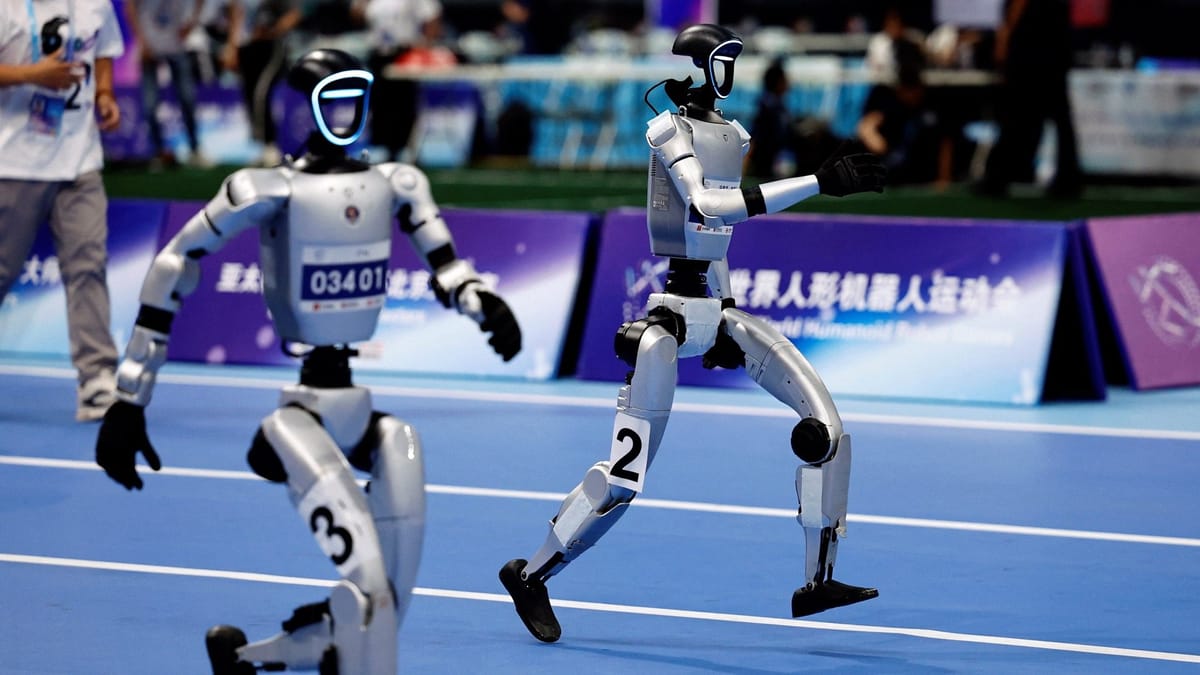
A wave of low-cost, domestically produced robots is enabling Chinese factories to slash costs and boost efficiency, helping the country increase its global export share even in traditionally labor-intensive industries, a recent report has revealed. This aggressive push into automation is allowing China to defy the typical economic trajectory where rising wages lead to an exodus of low-end manufacturing.
According to a report by the Financial Times published on September 2, 2025, this trend is underpinned by government initiatives such as the "Made in China 2025" plan, which has funneled investment into building up a domestic robotics industry. China now installs approximately 280,000 industrial robots annually, accounting for half the global total.
Data from research firm MIR Databank indicates that about half of these machines are supplied by local companies. These domestic firms are winning customers by offering more affordable alternatives to established international brands. For instance, Chengdu CRP Robot Technology sells its welding robots at roughly 60% of the price of those from Japanese rivals Yaskawa and Fanuc, or European giants ABB and Kuka.
This widespread automation is yielding tangible results in trade. Data from Harvard's Growth Lab shows that between 2019 and 2023, China’s global export share in products like furniture, toys, and other small manufactured goods saw significant gains. This has occurred even as Chinese factory wages have risen substantially compared to those in competing manufacturing hubs like India.
Factory owners attest to the benefits of this shift. Song Ling, a manager at Shuangsheng New Energy Vehicle, stated that each robot cuts labor costs by half while increasing efficiency. The company now ships its cargo carts, which sell for around RMB 6,000 yuan (US$830), to markets in Southeast Asia, Africa, and the United States. Similarly, Jay Ye, owner of textile firm Shaoxing Longkai Textile, noted that locally made machinery doubled his factory’s output and improved profit margins.
The trend points to a strategic pivot in China’s industrial policy, substituting human labor with "robotic labor" to preserve its manufacturing advantage, as CRP's chief Li Liangjun noted. While the government hopes to retrain factory workers for higher-skilled "purple collar" jobs as robot technicians, employment in labor-intensive industries is already contracting. The report suggests this push toward full automation, as envisioned by executives like Jiang Xiangqian of Guangdong Topstar Technology, will likely continue, further reshaping the global manufacturing landscape and labor market.