
China Semiconductor Hits RMB 835.7B Chip Design Sales, Builds Supply Chain Strength
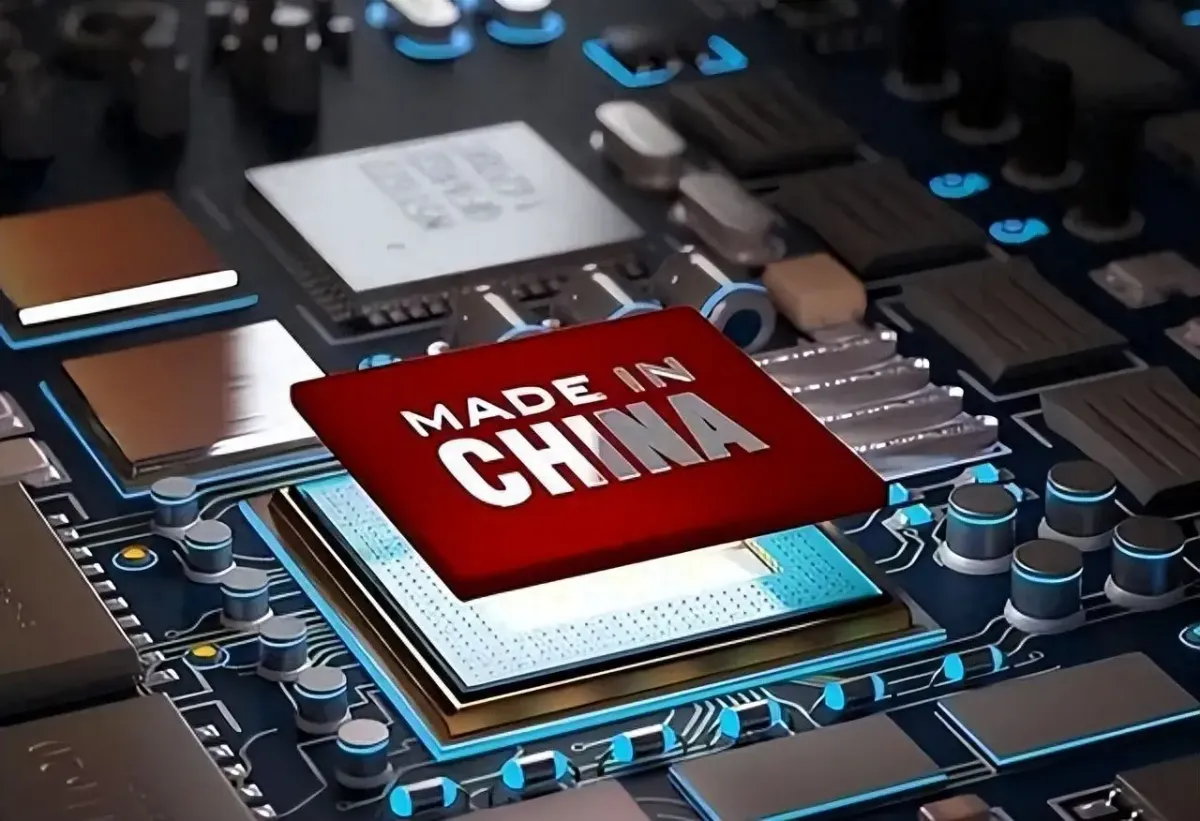
China's chip design sector generated RMB 835.7 billion (approximately US$115 billion) in sales in 2025, surging 29.4% year-on-year, according to a new industry report series published by Deloitte China.
The findings, drawn from Deloitte China's latest China Semiconductor Industry Development Report, paint a picture of an industry moving beyond isolated breakthroughs toward coordinated advancement across the entire value chain — spanning chip design, advanced packaging, equipment, materials, and wafer fabrication.
Design Sector Consolidates Around Platform Leaders
The number of chip design firms with annual revenues exceeding RMB 100 million surpassed 800 in 2025, signaling a structural shift from a fragmented landscape toward concentration among platform-scale companies. Deloitte noted that domestic EDA (Electronic Design Automation) tools have progressed from policy-driven adoption to active deployment in production environments, with leading vendors establishing a meaningful foothold in mature-node processes.
Advanced Packaging as a Strategic Workaround
With advanced process nodes remaining constrained by external restrictions, China's industry has increasingly turned to advanced packaging as a core competitive pathway. Technologies including Chiplet architectures, System-in-Package (SiP), and Through-Silicon Via (TSV) have been elevated to strategic priority status. Deloitte projects China's chip packaging and testing market will exceed RMB 420 billion by 2030, with advanced packaging's share of that market rising from 39% in 2025 to above 48%. Through heterogeneous integration, Chinese companies are leveraging system-level performance optimization to partially offset process-node gaps.
Equipment and Materials: Domestic Substitution Deepens
China's semiconductor equipment market reached US$55.9 billion in 2025, retaining its position as the world's largest single national market for the sixth consecutive year. The domestic equipment penetration rate stood at 35%, with locally made etching, deposition, and cleaning tools gaining broader acceptance at wafer fabs. On the materials side, domestic substitution has moved beyond low-barrier segments, with suppliers now targeting high-difficulty areas such as EUV photoresists and chemical mechanical planarization slurries.
Wafer Fabrication Crosses RMB 200 Billion Threshold
Domestic wafer production revenue surpassed RMB 200 billion in 2025. China has established substantial and difficult-to-replace manufacturing capacity in mature nodes of 28nm and above, power devices, and display driver ICs. The prevailing strategic posture among wafer makers, as described in the report, is to scale in mature processes while pursuing incremental advances at leading-edge nodes.
Investment Implications
The Deloitte report's aggregate data points to a semiconductor ecosystem that is broadening its competitive base rather than relying on a single segment. For investors tracking the sector, the simultaneous acceleration across design revenue, packaging technology investment, equipment localization, and materials development suggests that policy-driven capital deployment is beginning to translate into measurable commercial traction — though significant gaps in the most advanced process technologies remain unresolved.
Related Coverage:
China's Semiconductor Strategy Pivots as Xiaomi and NIO Drive Private Silicon Development