
China Targets Hydrogen Drone Market with New Subsidies and Cost Reduction Plans
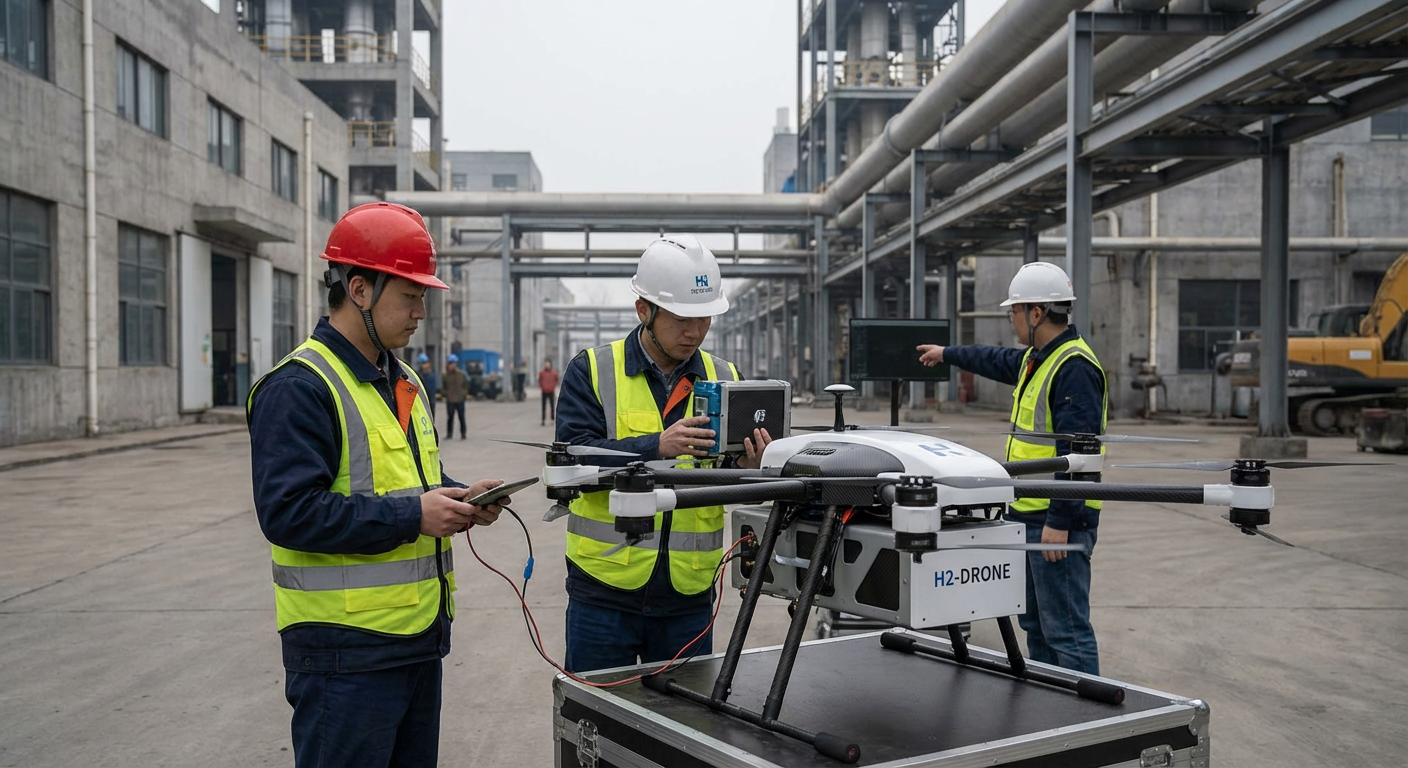
China has introduced a significant policy package aimed at accelerating the commercialization of hydrogen energy, with specific incentives designed to boost the hydrogen-powered unmanned aerial vehicle (UAV) sector, according to recent media reports.
According to a report by the Chinese financial media outlet Wallstreetcn published recently, the Ministry of Industry and Information Technology, the Ministry of Finance, and the National Development and Reform Commission jointly issued a "Notice on Carrying out Pilot Work for Comprehensive Application of Hydrogen Energy." The directive establishes a framework to support pilot city clusters through a performance-based reward system rather than traditional blanket subsidies.
The policy specifically targets the aviation sector with direct financial incentives. Under the new guidelines, compliant hydrogen-powered aircraft can qualify for a reward of up to RMB 80,000 yuan (US$11,100) per unit. The system allocates reward points for eligible technology, capped at one point per aircraft, with each point valued at the maximum reward amount.
Beyond vehicle subsidies, the government has set ambitious targets to lower the operational costs of hydrogen adoption. The directive aims to reduce the average price of end-use hydrogen in pilot city clusters to below RMB 25 yuan (US$3.50) per kilogram by 2030. In regions with advantageous resource conditions, authorities are striving to push prices down further to approximately RMB 15 yuan (US$2.10) per kilogram, significantly improving the economic viability of the fuel.
Provincial governments are aligning with these national goals to spur the "low-altitude economy." For instance, Sichuan Province recently listed hydrogen drones as a key application scenario, encouraging their use in emergency rescue, logistics, and agriculture. Several domestic companies are positioned to benefit from these tailwinds, including Hydrogen Craft Technology, Shanghai Xieqing New Energy Technology, and Shenzhen Qingpeng Technology.
Industry applications are already underway to address the technical limitations of traditional lithium-powered drones. Hydrogen Craft Technology has reportedly developed hydrogen propulsion modification kits for industrial drones manufactured by DJI Technology, such as the M350 model. By replacing lithium batteries with hydrogen fuel cell systems, these modifications can extend flight endurance by three to four times, a capability already being utilized in power line inspections by the State Grid Corporation of China and China Southern Power Grid.
This coordinated policy push highlights Beijing's strategy to overcome the endurance and cold-weather performance bottlenecks of industrial UAVs, aiming to foster scale in the hydrogen sector while expanding the capabilities of commercial aviation logistics.
Related Coverage:
Zhihang Drone Debuts Entry-Level eVTOL Aimed at Mass Market
DJI Panoramic Drone Leaked Ahead of Insta360's Antigravity A1 Launch