
China’s Mingyang Bets £1.5 Billion on UK Wind Hub to Spearhead European Push
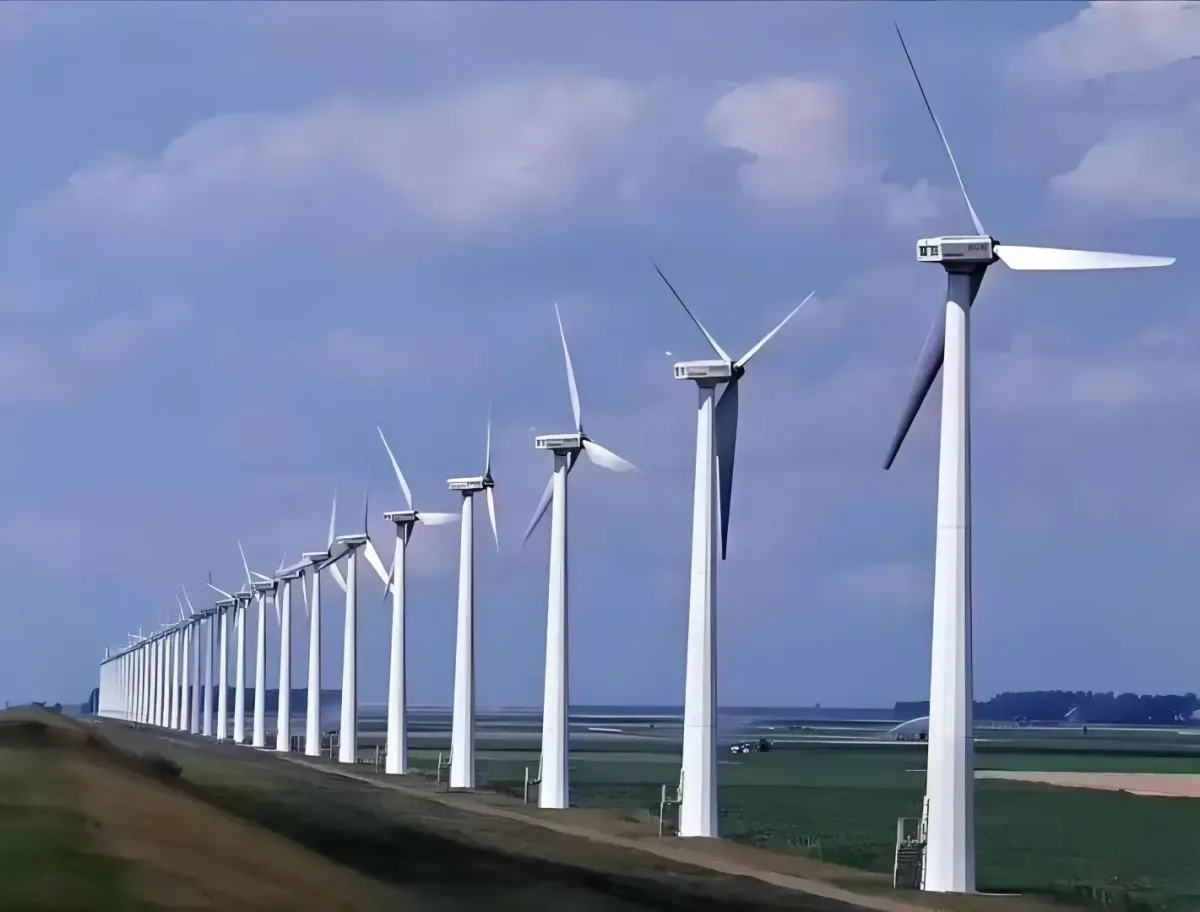
Chinese wind giant Mingyang Smart Energy is investing £1.5 billion ($1.95 billion) to build a comprehensive wind power manufacturing base in Scotland, a landmark move that signals a strategic pivot for China's renewable energy firms from component exporters to deeply integrated players in high-end European markets.
The company, Mingyang Smart Energy, announced on October 12 its plan to construct the UK's first full-chain wind power facility. The project is slated to be developed in three phases, starting with the production of nacelles and blades with a target for first output by the end of 2028, and later expanding to include control systems and other core components.
This investment aims to capitalize on the UK's ambitious offshore wind targets and address critical gaps in the local supply chain. The move positions Mingyang to become a key supplier for the booming European market while navigating increasing trade and localization pressures, representing a new phase of global expansion for China's industrial champions.
The decision challenges the market dominance of established Western turbine makers, particularly in the nascent floating offshore wind sector where Mingyang holds a technological edge. It could also serve as a blueprint for competitors like Goldwind Science & Technology and Envision Energy to establish similar manufacturing footprints in Europe.
Tapping Into UK’s Wind Power Ambitions
Mingyang's investment is timed to seize a clear market opportunity defined by both government targets and supply chain deficiencies. The UK, Europe's largest offshore wind market, aims to expand its capacity from approximately 15 GW today to 50 GW by 2030. This creates a more than 30 GW gap that its domestic industry is ill-equipped to fill alone, providing a crucial entry point for new manufacturing capacity.
The strategic choice of the Ardersier Port in Scotland places the facility at the nexus of the North Sea's wind farm clusters and within a region designated as a key hub for floating wind projects. The UK government has further facilitated such investments by simplifying environmental approval processes for 13 offshore wind projects. For the UK, the plant is expected to create 1,500 direct jobs and help achieve its clean energy goals by localizing the supply chain for next-generation wind technology.
From Product Sales to Industrial Integration
The Scottish plant marks a strategic evolution for Chinese wind power firms, shifting from a "Globalization 1.0" model centered on exporting finished goods to a "Globalization 2.0" strategy of full-chain industrial integration. The previous approach has faced headwinds from stricter European "carbon tariff" and supply chain review policies, which have sometimes nullified the cost advantage of Chinese turbines, even when priced 28% lower than Western rivals in the first half of 2024, according to BloombergNEF.
By establishing a local manufacturing presence, Mingyang aims to build a resilient and competitive operation that meets local content requirements. The company’s capacity to undertake such a project is underpinned by its market position and financial growth. Ranked fourth globally in 2024 with 12.2 GW of new installations, Mingyang reported a 45.33% year-over-year revenue increase to 17.1 billion yuan in the first half of 2025, driven by higher turbine sales.
Challenging Western Dominance with New Technology
A key driver of the investment is Mingyang's ambition to commercialize its advanced floating offshore wind technology in the North Sea, an ideal testing ground for the sector. This move directly challenges the duopoly of Siemens Gamesa and MHI Vestas, which currently command over 70% of the operational floating wind market.
Mingyang believes its latest 18.8 MW turbine model offers a technological advantage that, if successfully scaled in the UK, could disrupt the competitive landscape. The project's second phase is specifically designed to expand production lines for floating wind technology, filling a major gap in the UK’s domestic supply chain for specialized components like gearboxes and control systems.
Headwinds from Politics and Balance Sheets
Despite its strategic promise, the venture faces considerable risks. The £1.5 billion investment, which totals 14.2 billion yuan ($1.95 billion), is a substantial financial commitment for a company with a market capitalization of roughly 38.2 billion yuan and a net profit of just 610 million yuan in the first half of 2025.
Geopolitical uncertainty is another significant concern. The US government has reportedly expressed unease to the UK about the involvement of Chinese firms in its critical infrastructure, while evolving post-Brexit trade policies and potential EU scrutiny of "non-market economy" companies could increase compliance costs.
Operational challenges include Europe’s high labor costs, which are three to four times higher than in China, and stricter environmental regulations that could drive up construction expenses. To mitigate these risks, Mingyang plans a phased investment strategy tied to securing orders and intends to leverage green financing tools offered by institutions like the Scottish National Investment Bank. If successful, analysts at Guojin Securities note that the company's overseas business could deliver significant long-term earnings growth.