
RingConn Takes On Wearables Market With Subscription-Free Smart Ring
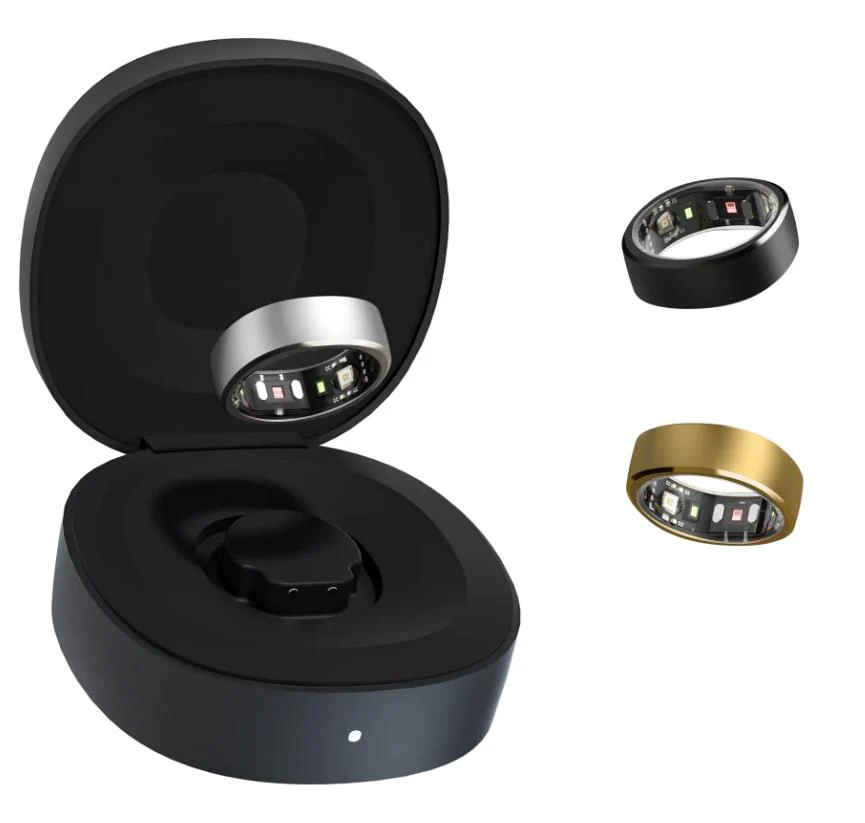
A startup founded by engineers from Tsinghua and Silicon Valley is rapidly capturing global market share in the wearable technology space with a “zero-subscription” business model, positioning its RingConn smart ring as a formidable challenger to established players.
As of early 2025, RingConn has expanded its sales to over 40 countries, emerging as a significant global competitor to industry leader Oura. The company's strategy of forgoing recurring monthly fees, a common practice in the sector, is helping it build a loyal user base and challenge the prevailing business model for health-tracking devices.
The release of its second-generation product, the RingConn Gen 2, further intensifies this challenge by offering advanced features like sleep apnea detection, continuous blood oxygen monitoring, and a 12-day battery life without a paywall. This approach directly contrasts with rivals that often place their most valuable data analytics behind a subscription.
For investors, RingConn’s trajectory highlights a potential shift in the wearables market, where hardware innovation and a transparent pricing model could disrupt the industry’s reliance on recurring revenue. The company is now signaling a move into the medical technology sector, developing a continuous blood pressure monitoring system and pursuing FDA certification, aiming to transform its device from a consumer gadget into a medical-grade health data portal.
A No-Subscription Strategy
RingConn’s core business strategy is to profit from hardware sales rather than locking users into monthly data subscriptions. While this model places greater pressure on the company to deliver a compelling product upfront, it has resonated strongly with consumers wary of recurring fees. The approach aims to build long-term brand trust and word-of-mouth marketing.
This consumer sentiment is reflected in online communities. According to user comments on platforms like Reddit and YouTube, a key selling point is the ownership of their data without ongoing costs. One frequently cited comment reads: “Finally, a ring that doesn’t rent my data.”
From Crowdfunding to Global Player
Founded in 2021, RingConn began its journey on crowdfunding platforms Indiegogo and Kickstarter with a simple pitch: “A smart ring that actually works.” The campaign successfully raised over $1 million from thousands of early adopters, providing the initial user base and real-world feedback needed to refine the product.
In a move opposite to Finland-based Oura’s Nordic-first approach, RingConn adopted a global-first strategy, initially targeting the U.S., Europe, and the Middle East to build brand credibility before planning a future entry into the domestic Chinese market. This "minimalist but professional" strategy has allowed it to grow into the second most influential smart ring brand globally in just a few years.
Advanced Tech in a Minimalist Design
RingConn’s philosophy centers on creating “invisible” and non-intrusive hardware for long-term health monitoring, especially during sleep. The company chose the ring form factor because fingers, with their dense blood vessels and minimal interference, provide more accurate microcirculation data than the wrist. The device is designed to be a piece of everyday jewelry that silently collects data without disruptive notifications.
The RingConn Gen 2 supports comprehensive health tracking, including heart rate, stress levels, body temperature, and exercise analysis. All data is synthesized in a mobile app featuring concise trend reports. The device utilizes a proprietary AI health model that trains on continuous data to establish a personalized health baseline for each user, allowing it to differentiate between chronic conditions and short-term anomalies and provide tailored recommendations.
The Push into Medical Tech
RingConn’s ambitions extend beyond the consumer electronics market. The company’s public roadmap includes the development of a continuous non-invasive blood pressure (cBP) monitoring system, which would provide all-day tracking without the need for a traditional cuff. This technology holds significant potential for the prevention and management of cardiovascular diseases.
The team is actively pursuing FDA medical-grade certification for its technology. The long-term goal is to position the smart ring as a "health data portal" that can connect not only to its app but also to family doctors, insurance systems, and other health service providers, solidifying its transition from a wellness gadget to a key product in the home health-tech ecosystem.