
China’s Smartphone Giants Pivot to Micro-Dramas as Market Eyes RMB 100 Billion Valuation
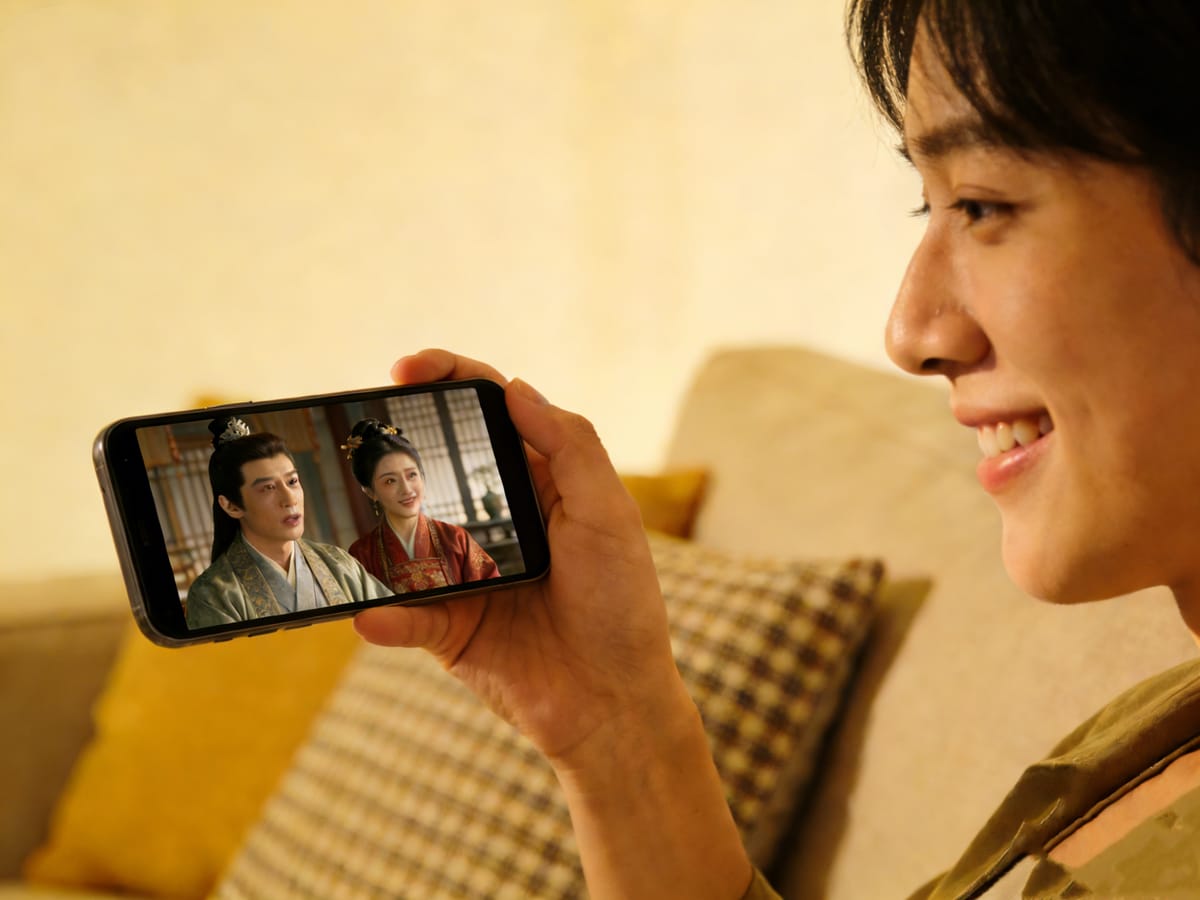
Chinese smartphone manufacturers, led by Xiaomi and Huawei, are aggressively penetrating the booming micro-drama sector, seeking to capture user attention in a market projected to exceed RMB 68 billion (US$9.4 billion) in 2025. This strategic shift moves beyond traditional hardware sales, tapping into high-growth content consumption to bolster ecosystem stickiness and revenue diversification.
At the 2025 Xiaomi ecosystem partner conference, executives revealed that the company has already secured over 1,000 "S-class" premium short drama titles. Xiaomi has launched a dedicated standalone application, "Weiguan Duanju" (围观短剧), emphasizing an ad-free, cost-free model designed to keep users engaged within its proprietary software environment. Conversely, Huawei is pursuing a direct monetization strategy through its "Quick App" platform, utilizing a pay-per-view model similar to traditional streaming services.
The entrance of hardware giants into content production comes as the micro-drama industry experiences exponential growth. Data indicates that by 2027, the market size is expected to surpass RMB 100 billion (US$13.9 billion). With user retention becoming increasingly competitive, handset makers are betting that exclusive, bite-sized video content will serve as a critical anchor for their broader "Human-Car-Home" ecosystems, particularly for in-vehicle entertainment in smart EVs.
While currently in nascent stages compared to incumbent platforms like Hongguo and Hippo, the entry of these technology conglomerates signals a significant disruption. By leveraging artificial intelligence for production and utilizing their massive global device install bases, manufacturers aim to transform short dramas from a marketing tool into a core component of their consumer services interface.
Explosive Market Growth
The micro-drama sector has evolved from a niche category to a dominant form of digital entertainment with remarkable speed. According to the 2024 Micro-Drama Industry White Paper by DataEye, the market has expanded from RMB 370 million (US$51.3 million) to over RMB 50 billion (US$6.9 billion) in just three years. The trajectory remains steep, with forecasts predicting the sector will reach RMB 68 billion (US$9.4 billion) in 2025 and break the RMB 100 billion (US$13.9 billion) mark by 2027.
User engagement metrics underscore this shift. As of June 2025, the user base for micro-dramas in China reached 626 million, accounting for 55.8% of the total internet population. By August, the average daily usage time for short drama applications surged to 120.5 minutes. This high level of user stickiness has made the sector a battleground for technology companies seeking to maximize screen time value.
Xiaomi’s Ecosystem Strategy
Xiaomi is adopting a volume-heavy, premium content strategy. Liu Chan, General Manager of Xiaomi’s Internet Business Department, noted that the company’s portfolio now includes 1,000 S-class dramas—the highest tier in the industry, costing between RMB 1.5 million (US$208,000) and RMB 3 million (US$416,000) per production. This contrasts with low-budget "volume" dramas that cost as little as RMB 100,000 (US$13,800).
In late September 2025, Xiaomi launched its "Weiguan Duanju" app through a subsidiary. The platform differentiates itself by offering content entirely free of charge and without advertisements, a move aimed at enhancing the user experience rather than immediate cash flow. However, the app is still in its "novice phase." Despite the high-quality library, the app has accumulated approximately 2.42 million downloads, and its users spend an average of 70 minutes daily on the platform—significantly lower than the industry average of 120 minutes.
Divergent Approaches: Monetization vs. Marketing
While Xiaomi focuses on ecosystem retention, Huawei has adopted a paid model. Huawei’s platform operates as a "Quick App" requiring users to pay for episodes or recharge accounts to view content. However, Huawei faces challenges regarding content volume, with a library that remains limited compared to market leaders.
Other manufacturers, including OPPO and Vivo, utilize short dramas primarily for brand marketing rather than platform building. For instance, Xiaomi’s sub-brand REDMI partnered with ByteDance’s Douyin and production house Wanhe Tianyi to release Time Travel Partner, a drama specifically scripted to market the K80 smartphone, featuring company executives as actors. Similarly, Huawei partnered with Tencent for a drama promoting the Nova 14 series.
The strategic rationale differs by company. Xiaomi’s free model supports its broader "Human-Car-Home" strategy, viewing micro-dramas as the optimal content format for fragmented viewing times in smart vehicles and on mobile devices. Huawei’s approach suggests a desire to turn content into a direct profit center, though it currently lacks the scale of dedicated entertainment platforms.
AI Integration and Global Ambitions
Looking forward, the integration of Artificial Intelligence (AI) and global market expansion represents the next frontier for smartphone makers in this sector. The micro-drama format, particularly non-live action and special effects segments, is highly susceptible to AI disruption, which could drastically lower production costs.
Furthermore, Chinese manufacturers see an opportunity to export this content model. Xiaomi alone operates in over 100 countries with more than 1 billion active terminal devices. By bundling micro-drama platforms with their hardware in overseas markets, these companies aim to replicate the domestic success of the format, using their hardware dominance to establish a soft-power foothold in the global content market.