
China’s VR Cinema Industry Booms as Beijing Greenlights Dozens of Projects
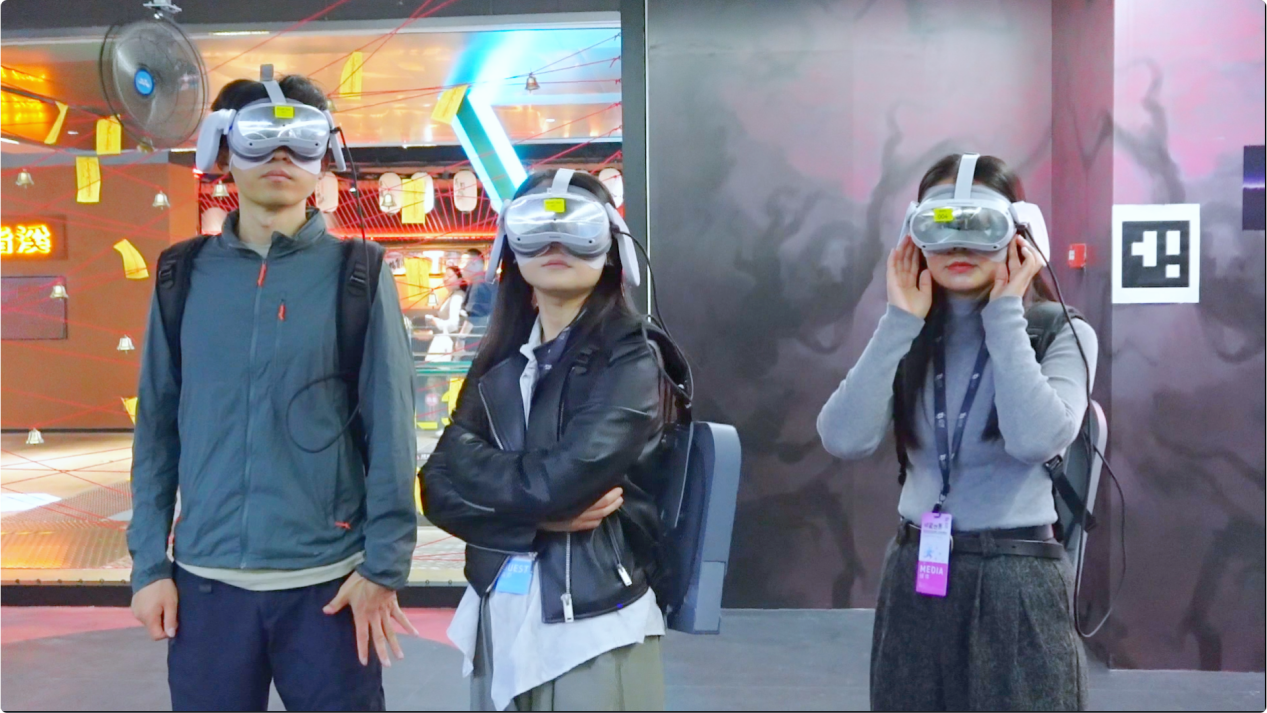
China's virtual reality film industry is rapidly shifting from a niche experiment to a mainstream entertainment sector in 2025, propelled by significant government policy support, a surge in content creation, and growing investment from both technology firms and state-backed institutions.
The most tangible sign of this acceleration is a sharp increase in officially approved VR film projects. More than 60 productions have now been greenlit for development, with regulators approving 20 new projects in July 2025 alone—a significant jump from just eight in April. This regulatory tailwind is creating a new and potentially lucrative market for creators and investors.
This domestic boom coincides with a global push into immersive content by technology giants such as Apple Inc. and Meta Platforms Inc., setting the stage for a worldwide race to define the next generation of digital entertainment. While major U.S. firms are leveraging their hardware ecosystems, China is building a state-supported infrastructure to foster a homegrown VR content industry.
The rapid development signals the formation of a new, commercially viable entertainment segment in the world’s second-largest economy. A diverse ecosystem is emerging, comprising private tech companies, traditional film studios, and state-owned cultural institutions, all vying for a position in the nascent market.
Beijing's Policy Push Fuels Content Explosion
The surge in VR film production is a direct result of new guidelines issued by the National Film Administration this year, which have streamlined the development and approval process for immersive content. This policy support has unleashed a wave of activity, attracting both established players and new entrants.
Content strategy is advancing on two fronts: adapting well-known intellectual property and creating original stories rooted in Chinese culture. VIMO XR and China Literature are developing a VR experience based on the popular novel series Ghost Blows Out the Light, while existing blockbuster films like The Eight Hundred are also getting VR adaptations. Simultaneously, state-backed entities such as Xi'an Film Studio Group are producing VR films like Dreaming Back to Yan'an to explore historical and cultural themes. Tech startups are also emerging as key content producers, with Shenzhen Yuanxiang Information Technology registering six projects in July alone.
From Viewing to Full-Sensory Immersion
Technological advancements are moving the domestic industry beyond passive 360-degree videos toward fully interactive and sensory experiences. Hardware is becoming lighter and more powerful, with Xi'an Film Studio and headset maker Pimax Inc. co-developing a specialized headset that weighs only 180 grams while offering dual 8K resolution to reduce user discomfort.
Interactivity is also becoming more sophisticated. New experiences incorporate features like haptic feedback seats that synchronize with on-screen action, and advanced hand-tracking technology that allows for collaborative user interaction. Some productions, such as the war-themed East China Sea Outpost XR, are integrating external hardware to simulate wind and heat, aiming for a "full-sensory" level of immersion. This focus on technological integration is helping build the foundations for a commercial VR cinema market, with the country’s first multi-screen VR theater, Oscar Da Xiang Yuan XR Future Cinema, recently opening.
Global Giants Enter the Immersive Fray
China's efforts are part of a broader, global trend where major technology and entertainment companies are investing heavily in immersive media. Apple made a significant move in 2025 by releasing its first feature-length film with a dedicated immersive 3D version for its Vision Pro headset, signaling a strategic upgrade in its content offerings for the new platform.
Meanwhile, Meta is deepening its collaboration with Hollywood. The company has partnered with director James Cameron's Lightstorm Entertainment to explore VR content, including an exclusive teaser for Avatar 3 available on its Horizon TV application. The involvement of established filmmakers, including The Bourne Identity director Doug Liman who created an XR short, is lending further credibility to the medium and attracting mainstream attention.
Democratizing Tools and Fostering Talent
The growth of the global VR content ecosystem is being supported by the increasing accessibility of professional production tools. Blackmagic Design recently launched its URSA Cine Immersive camera, designed for shooting high-fidelity 8K stereoscopic VR content. While priced for professionals, the camera and its accompanying software suite are lowering the technical barriers for creators to produce cinema-grade immersive films.
International film festivals are also playing a crucial role by providing a platform for artistic and technical validation. Prestigious events like the Venice International Film Festival, which has a dedicated immersive competition category, are legitimizing VR as an art form and fostering a global talent pool. Chinese productions are beginning to make their mark on this stage, with Mulan 2125 selected for competition at the 2025 Venice festival, highlighting the country's growing creative capabilities in the sector.