
Chinese Smartphone Makers Intensify Premium Push as Apple Records Strongest Q3 Performance
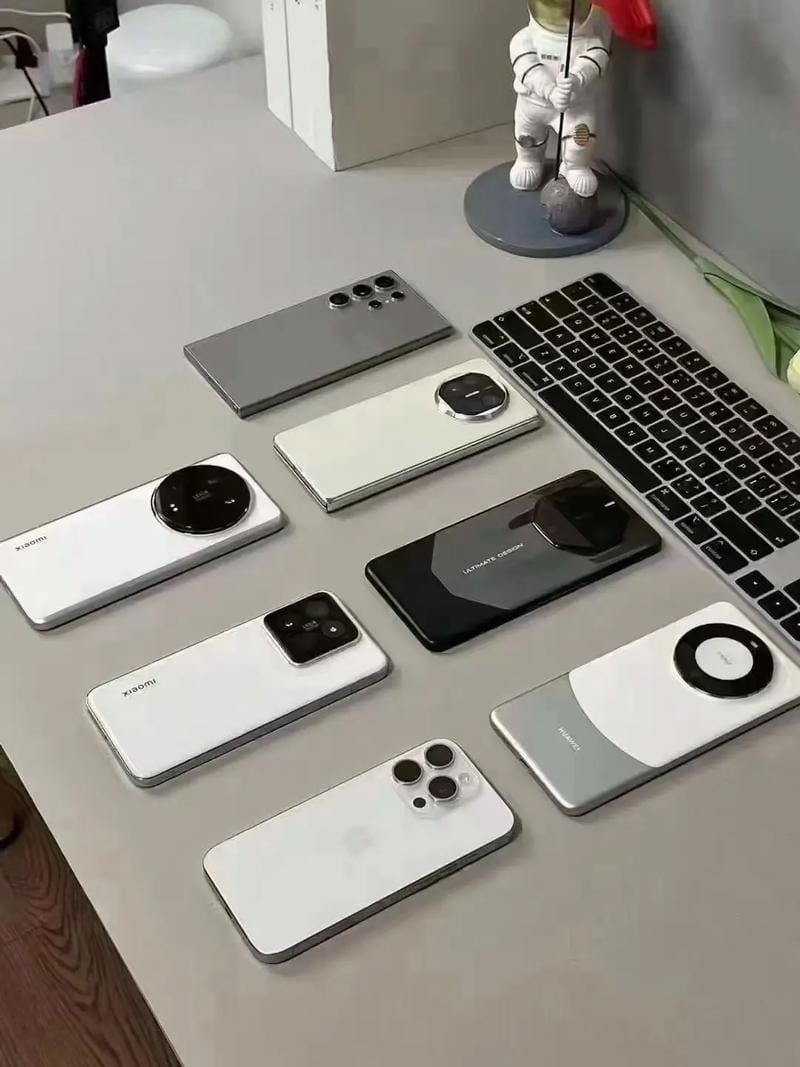
The global smartphone market defied seasonal headwinds in the third quarter of 2025, posting modest growth of 2.6% as Chinese manufacturers escalated their push into premium segments while Apple Inc. achieved record shipments for the period, according to new data from International Data Corporation.
Global smartphone shipments reached 322.7 million units in Q3, IDC reported, driven by innovative designs and more affordable AI-enabled devices that encouraged consumers to upgrade. However, China's market contracted 0.6% to 68.4 million units as government subsidy programs wound down, dampening replacement demand that had been pulled forward earlier in the year.
Apple posted 4% year-over-year growth in shipments, marking its strongest third-quarter performance on record. The company regained third place in China's market with the highest growth rate among top brands, buoyed by aggressive discounting and renewed design innovation in the iPhone 17 series.
The quarter's performance signals shifting competitive dynamics in premium smartphones, where Chinese brands including Huawei Technologies, Xiaomi, Oppo, Vivo, and budget-focused Realme are accelerating investments to challenge Apple's dominance.
Transsion Leads Growth Among Top Five Vendors
All top-five manufacturers posted year-over-year shipment gains, with Transsion leading at 13.6% growth. The Shenzhen-based company, which focuses on emerging markets, moved up to fourth place globally, surpassing Oppo and Vivo with record Q3 shipments.
"Consumer demand for smartphone upgrades and replacements is recovering, driving market growth after volatility earlier this year," said Le Xuan Chiew, research manager at Omdia.
Samsung Electronics maintained its top position for the third consecutive quarter with 19% market share, supported by its Galaxy A series and seventh-generation foldable lineup. Xiaomi held third place, consolidating recovery in Europe and Latin America through its Redmi Note and Poco series.
Transsion's surge reflected prudent inventory management early in the year and recovering demand in Middle Eastern and African markets, where models including the Infinix Hot 60 and Smart 10 gained traction. The company's strong distribution network and competitive products priced below $200 drove expansion in North and East Africa.
iPhone 17 Series Revitalizes Apple's China Position
Apple's Q3 surge stemmed from two factors: sustained promotional pricing and renewed product innovation. The iPhone 17 lineup introduced high refresh-rate displays and faster charging on standard models, redesigned camera modules on Pro versions, and an all-new Air variant, reigniting upgrade interest among users who had delayed purchases.
"National brands have strong product capabilities, but Apple's brand power remains formidable," a Chinese smartphone brand marketing executive said. "High-end flagship sales remain extremely high. Domestic brands need greater effort to better educate the market."
Pre-orders for the iPhone 17 series exceeded the previous generation, according to IDC. At launch on September 19, the standard model commanded 200 yuan premiums, while the Pro Max saw scalper mark ups exceeding 1,000 yuan one week later.
Apple has communicated to supply chain partners that iPhone 18 series target shipments are approximately 95 million units, an 11.76% increase from the iPhone 17 series' 85 million units, according to industry reports. The delayed iPhone Air model, held back by eSIM regulatory issues, was scheduled for online pre-orders on October 17 and sales on October 22, with CEO Tim Cook personally promoting the launch in Apple's China online store.
Domestic Brands Pursue Premium Amid Cost Pressures
China's smartphone market extended its decline in Q3, pressured by reduced new product launches during the traditional slow season and tighter government subsidy programs that made consumers more cautious, IDC noted.
Despite overall market softness, Chinese manufacturers are accelerating premium positioning. The global premium segment, defined as devices priced above $400, grew 8% year-over-year in the first half of 2025, reaching record shipment levels for the period and contributing over 60% of global smartphone revenue, according to Counterpoint Research.
Beyond established premium players Huawei, Xiaomi, Oppo and Vivo, brands like Realme are entering higher price tiers. Realme recently announced a partnership with Ricoh GR to enhance camera capabilities while maintaining performance competitiveness.
"Pure 'performance-focused' devices won't become mainstream in the future," said Xu Qi, vice president and China president of Realme. "In mid-to-high-end market breakthroughs, imaging is indispensable and will become a T1-level strategic priority. From a business perspective, imaging can drive premium market breakthroughs and deliver better margin improvements."
Rising component costs are accelerating the premium push. Memory and storage costs are expected to increase further in 2026, according to industry sources. Premium devices offer greater pricing flexibility to absorb input cost inflation, whereas budget-conscious consumers in lower segments resist direct price increases.
"Upstream cost increases in recent years have created significant pressure for manufacturers," said Guo Tianxiang, research manager at IDC China. "Mid-to-low-end users are price-sensitive, making direct price hikes difficult. Premium users focus more on product capabilities than price, allowing manufacturers to upgrade products and raise prices, or encourage users to trade up to premium devices to offset rising costs."
Establishing premium market positions requires multi-year investments in distribution, after-sales service, products and brand building, particularly for late entrants, Xu noted. As consumers deepen smartphone usage and gain purchasing power, premiumization trends are becoming more pronounced across regions, Counterpoint said.