
Dishan Technology Hits 2nm AI Chip Prototype Milestone Amid Foundry Hurdles
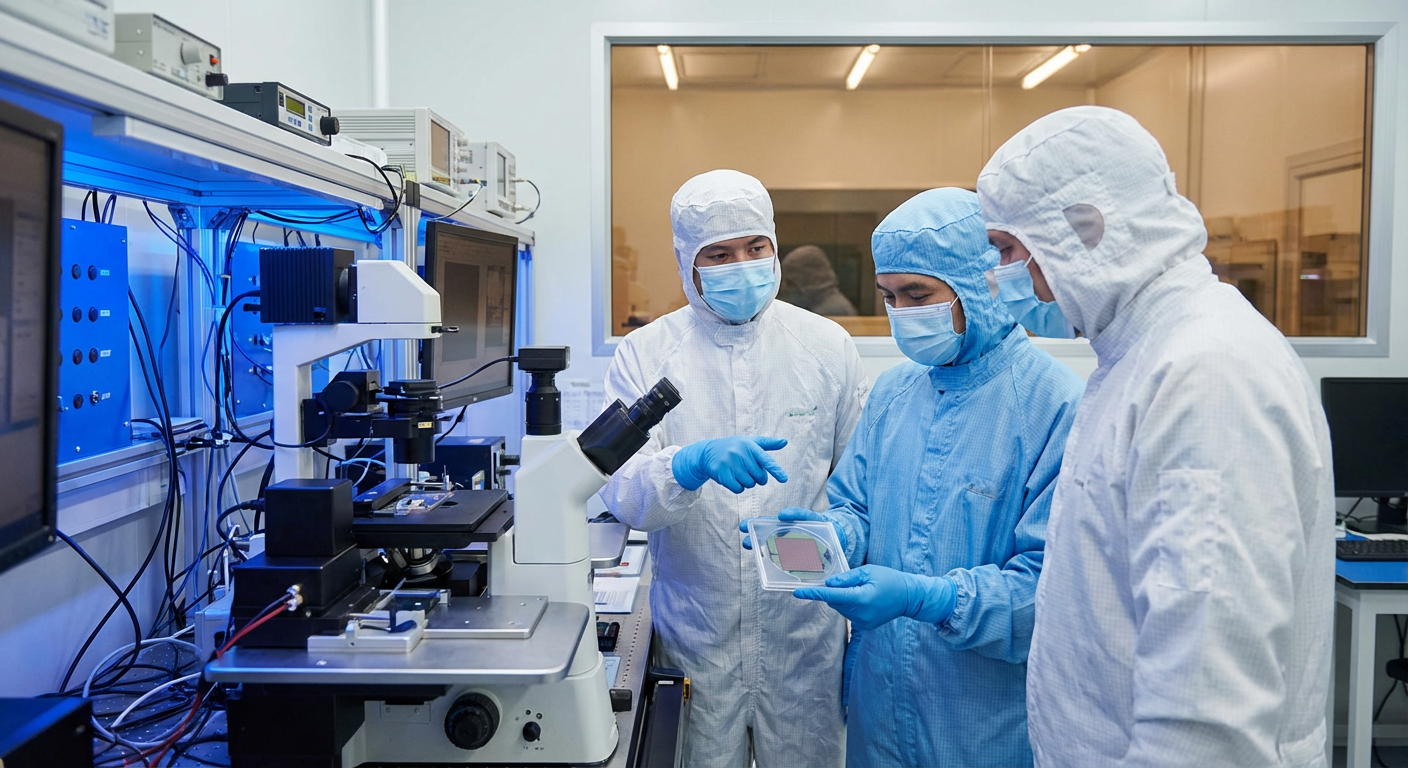
Chinese semiconductor startup Dishan Technology has advanced a 2nm artificial intelligence chip into the prototype verification stage, marking a critical design milestone for domestic silicon developers navigating strict global trade constraints.
The development, initially cited by the South China Morning Post referencing local industry outlets, underscores China's accelerated push to maintain parity in the global AI hardware race. While achieving a 2nm architectural design represents a significant engineering feat in 2026, the transition from prototype to commercial volume hinges entirely on securing advanced fabrication capabilities.
Foundry Constraints Threaten Production Rollout
The primary hurdle for Dishan Technology centers on foundry access. Global export controls severely restrict Chinese firms from accessing extreme ultraviolet (EUV) lithography equipment required for sub-7nm node manufacturing. Without direct access to leading-edge contract manufacturers, domestic designers face a structural manufacturing bottleneck.
Industry analysts note that while Chinese domestic foundries have made strides in multi-patterning techniques to push mature nodes further, commercializing a true 2nm architecture domestically remains highly constrained. The verification stage will test whether Dishan Technology's design can be effectively ported or modified for available fabrication channels.
Trade Curbs Fuel Domestic Design Push
This prototype milestone reflects a broader strategic pivot within China's semiconductor ecosystem. Deprived of off-the-shelf advanced AI accelerators, domestic startups are aggressively ramping up logic design capabilities to maximize computing efficiency. If successful, Dishan Technology's architecture could offer a blueprint for bypassing some hardware limitations through optimized chiplet designs or advanced packaging, though mass production timelines remain undefined.
Related Coverage:
China’s Semiconductor Equipment Imports Plunge 24% as Spending Normalizes