
DJI’s RMB 2,799 Avata 360 Undercuts Action Cameras With 8K Aerial Imaging
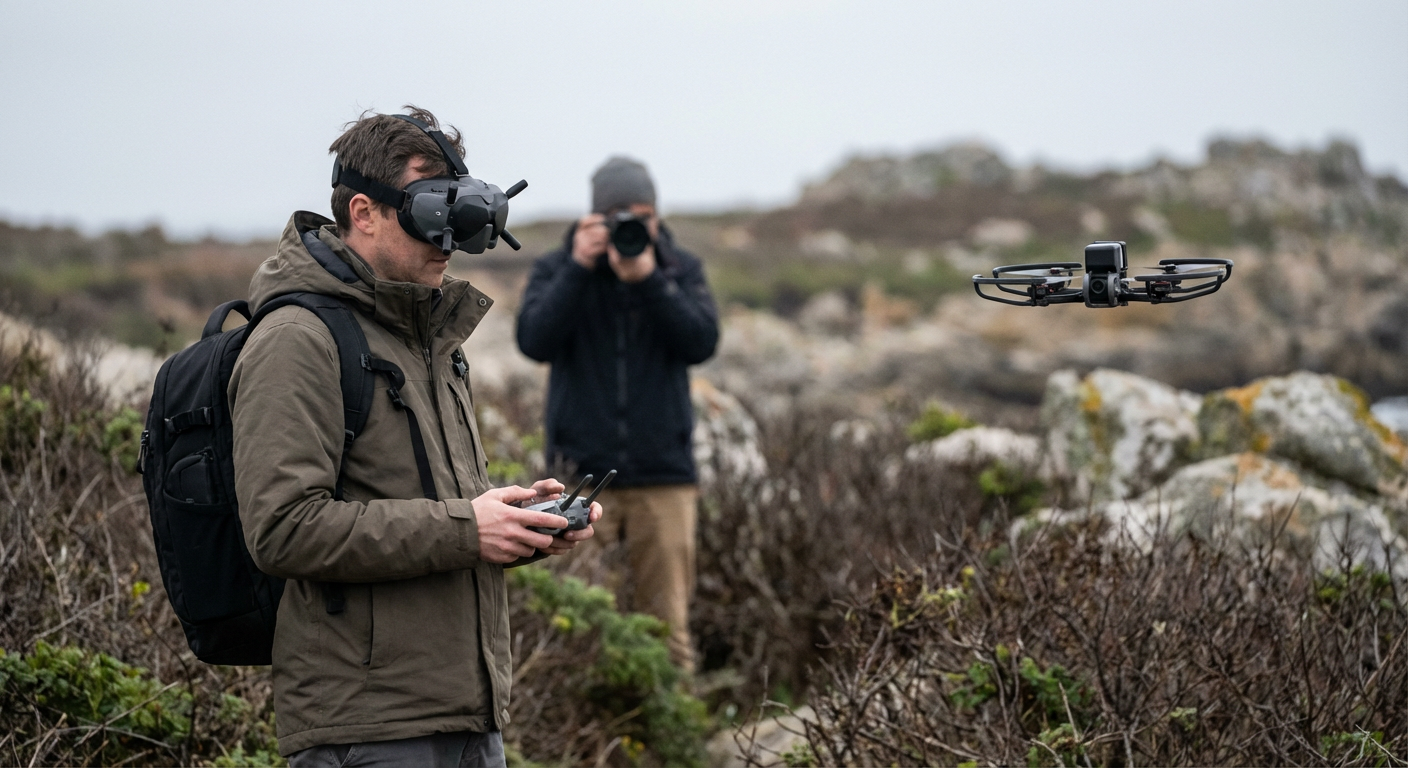
Shenzhen-based drone manufacturer DJI has aggressively lowered the barrier to entry for panoramic aerial photography in 2026 with the release of the Avata 360, a move that directly pressures action-camera competitors by pricing advanced 8K flight capabilities at just RMB 2,799 (US$405).
The strategic pricing places the new consumer-grade panoramic drone in direct competition with mid-range smartphones and standalone 360-degree cameras. Industry analysts note this aggressive market positioning essentially forces novice creators into the DJI ecosystem, bypassing traditional aviation learning curves through a software-driven "shoot first, frame later" architecture.
Early market feedback indicates that the Avata 360 is cannibalizing the entry-level camera market. By charging a mere RMB 300 (US$43) premium over its own standard RMB 2,499 (US$362) panoramic cameras, DJI is compelling consumers to upgrade to an aerial platform, expanding its total addressable market among content creators.
Lowering Flight Barriers Drives Hardware Adoption
The commercial viability of the Avata 360 hinges on resolving the primary friction point for drone beginners: the dual cognitive load of piloting and camera framing. The drone features a dual-lens 360-degree module that captures the entire spherical environment simultaneously. Users process the footage post-flight via a proprietary mobile application to generate standard planetary, ultra-wide, or tracking shots.
This workflow eliminates the need for complex gimbal operation during flight. Combined with an omnidirectional obstacle avoidance system and built-in propeller guards, the hardware allows users with zero flight experience to execute complex maneuvers, such as high-speed drifts or tight proximity flying, within ten minutes of onboarding. The device also supports a one-button toggle to a traditional single-lens mode, outputting standard 4K/60fps video for conventional vlogging.
Pushing Flagship Specs Downmarket
Despite the entry-level pricing, DJI has integrated flagship-tier components into the Avata 360, signaling a maturation in its component supply chain. The imaging system utilizes dual 1-inch equivalent sensors paired with f/1.9 apertures, capturing 8K/60fps HDR panoramic video with wide dynamic range suitable for low-light urban environments.
Signal reliability, traditionally a weakness in sub-$500 drones, is managed by DJI's enterprise-grade O4+ digital transmission system. Testing shows stable, zero-latency video feeds at ranges up to 20 kilometers. The software also includes an advanced subject-tracking algorithm capable of maintaining lock on fast-moving vehicles even when temporarily obscured by environmental obstacles.
Constraining Factors Highlight Supply Chain Trade-offs
To maintain profit margins at the US$405 price point, DJI has made specific hardware compromises that will drive high-margin accessory sales. The advertised 23-minute battery life realistically drops to 20 minutes under continuous 8K panoramic recording and wind resistance, necessitating the purchase of multi-battery bundles.
Furthermore, data management presents a significant bottleneck for the target demographic. Recording at 8K panoramic resolution consumes approximately 1 gigabyte of storage per minute. While the drone includes 42GB of internal storage, practical field use requires high-capacity, high-speed MicroSD cards, shifting additional operational costs to the consumer and placing heavy processing demands on their editing devices.
Related Coverage:
DJI Intensifies Prosumer Camera War with Pocket 4 Launch, Targeting Insta360