
GAC Aion Escalates China's EV Price War With Sub-$20,000 Extended-Range SUV
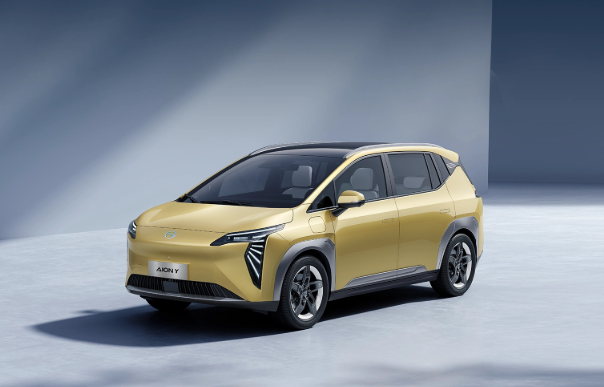
GAC Group's electric vehicle unit Aion has opened pre-sales for its first extended-range electric vehicle, the AION i60, with pricing starting at just 119,800 yuan ($16,700) for the pure electric version and 126,800 yuan for the extended-range variant. The move marks a significant escalation in China's intensifying competition in the affordable electric SUV segment, where manufacturers are racing to combine longer range capabilities with aggressive pricing.
The company's entry into the extended-range market puts it in direct competition with established players including Deepal and Leapmotor, both of which have seen strong sales in the compact SUV category. The AION i60's extended-range version promises a combined range of 1,240 kilometers and pure electric range of 210 kilometers, positioning it as a practical option for consumers concerned about charging infrastructure.
The pricing strategy reflects broader market dynamics in China's crowded EV sector, where manufacturers are increasingly leveraging scale and vertical integration to push prices lower while maintaining competitive specifications. Aion's aggressive positioning below the 150,000 yuan threshold represents a clear attempt to capture market share in one of the fastest-growing segments.
The launch comes as traditional automakers face mounting pressure from new energy vehicle manufacturers that have rapidly gained ground through competitive pricing and technology innovation. GAC's decision to expand Aion's lineup with extended-range technology acknowledges persistent consumer demand for vehicles that eliminate range anxiety while offering electric driving capabilities.
Competitive Specifications Target Mass Market
The AION i60's extended-range powertrain features a 29.165kWh battery pack delivering 210 kilometers of pure electric range under CLTC testing standards, with total range reaching 1,240 kilometers when utilizing the onboard generator. Aion claims the system achieves fuel consumption of 5.5 liters per 100 kilometers when operating in hybrid mode, with an 85kW generator and 180kW electric motor providing combined performance.
Pure electric variants offer three battery options: 47.829kWh, 62.268kWh, and 75.26kWh, delivering respective ranges of 400, 530, and 650 kilometers. The vehicles employ Aion's Magazine Battery 2.0 technology, which the company promotes as offering enhanced safety features including 720-degree battery protection.
The SUV measures 4,685mm in length with a 2,775mm wheelbase, dimensions that closely mirror the current AION V model and align with mainstream compact SUV proportions. Aion offers six exterior colors plus two dual-tone options, along with three interior color schemes targeting family buyers.
Technology Features Address Premium Segment Expectations
Despite its affordable pricing, the AION i60 incorporates GAC's GSD intelligent driving assistance system, including capabilities such as 2-kilometer autonomous parking. This represents an effort to meet rising consumer expectations for advanced driver assistance features even in lower-priced segments.
The inclusion of such technology in a sub-150,000 yuan vehicle illustrates how features once reserved for premium models have rapidly cascaded to mass-market offerings in China's competitive EV landscape. This trend has forced manufacturers across all price segments to continuously enhance value propositions to maintain market position.
Market Implications for China's EV Sector
The AION i60's pricing and specifications underscore the ongoing compression of margins in China's new energy vehicle market, where sustained price competition has challenged profitability across the sector. Manufacturers including BYD, Geely, and newer entrants have engaged in successive rounds of price reductions throughout 2025, forcing traditional players to accelerate their electrification strategies.
For GAC, the launch represents a critical test of whether Aion can expand beyond its current market position to compete effectively in the high-volume compact SUV segment. The brand's success will likely depend on its ability to scale production efficiently while maintaining quality standards at these aggressive price points.
The extended-range configuration also reflects strategic recognition that hybrid powertrains remain attractive to Chinese consumers, particularly in regions where charging infrastructure remains underdeveloped. This positioning allows Aion to address a broader customer base than pure electric vehicles alone could reach, potentially accelerating adoption rates.