
DJI's Imaging Empire: How the Drone Giant Is Redefining Handheld Camera Markets
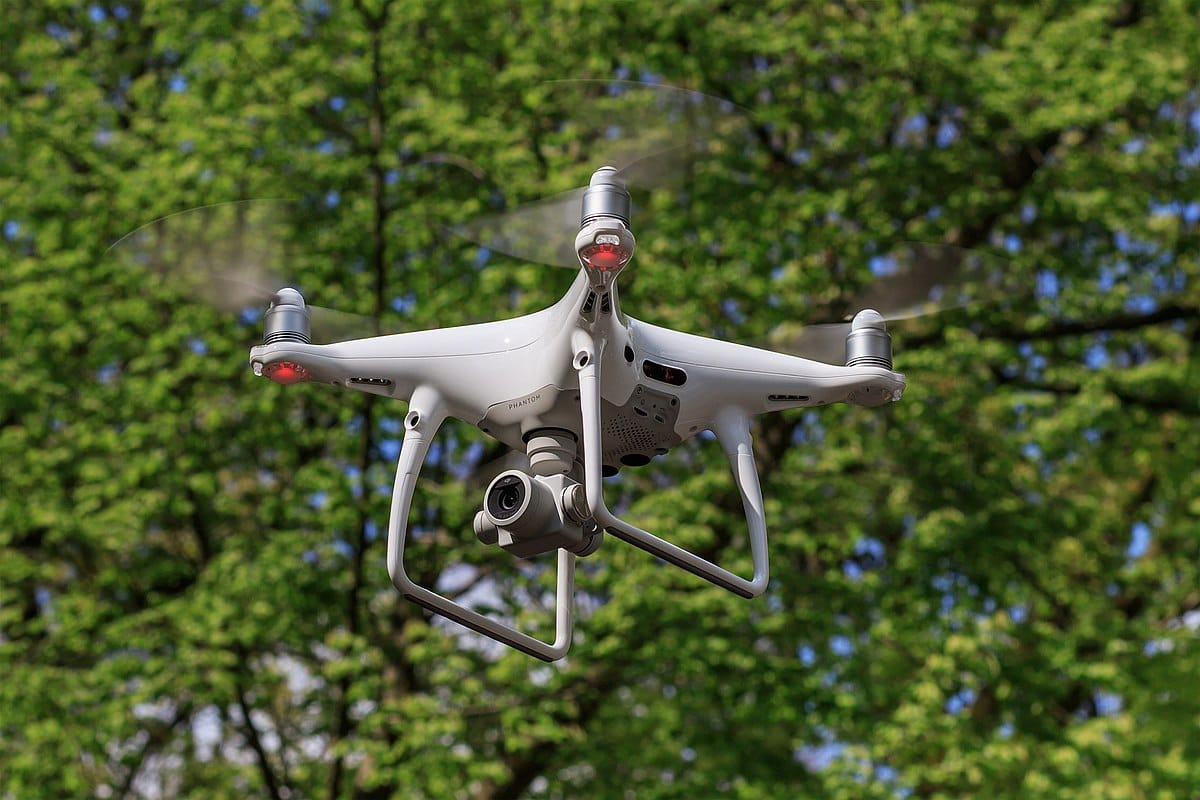
DJI, the world's dominant drone manufacturer, is systematically transforming the consumer imaging landscape through strategic product expansion that leverages its core technology advantages. The company's recent 90-day capture of 43% global market share in panoramic cameras—reaching 49% in China's e-commerce channels—signals not merely product success, but the emergence of a comprehensive imaging platform that extends far beyond its aerial roots.
This aggressive market penetration reflects a calculated long-term strategy rather than opportunistic diversification. The company's decision to invest one to two years developing a custom square sensor specifically for panoramic cameras, rejecting readily available rectangular smartphone sensors, demonstrates DJI's willingness to sacrifice short-term efficiency for market dominance. This approach has enabled the company to achieve 25% higher sensor utilization than competitors.
DJI's expanding portfolio now spans action cameras, handheld gimbal cameras, and panoramic cameras, creating an integrated ecosystem that covers scenarios from extreme sports to daily vlogging. The company has either overtaken established leaders or created entirely new product categories, fundamentally reshaping competitive dynamics across multiple imaging segments.
The implications extend beyond individual product categories. DJI is transitioning from a drone manufacturer into a platform company that defines how consumers capture motion imagery across all environments, establishing technical and ecosystem barriers that competitors will find increasingly difficult to overcome.
Action Camera Market Reversal
DJI's displacement of GoPro in action cameras exemplifies its methodical market entry strategy. When DJI launched its Osmo Action series in 2019, GoPro held seemingly unassailable market leadership with its brand name synonymous with the category itself.
The company addressed core user pain points through superior stabilization performance, extended battery life, proprietary color science, and competitive pricing. According to Jiuqian Consulting, GoPro commanded 79% of China's action camera market in 2022. By the first three quarters of 2025, DJI had captured 66% market share, completing a decisive leadership transition within three years.
This reversal was achieved not through disruptive innovation but through systematic application of DJI's flight control and stabilization technologies, accumulated through years of aerial imaging development, to handheld scenarios. The company essentially brought professional-grade stabilization capabilities to consumer price points.
90-Day Panoramic Camera Disruption
The panoramic camera market had been dominated by established players like Insta360, benefiting from first-mover advantages in a specialized niche. DJI's entry with the Osmo 360 has compressed typical market penetration timelines dramatically.
Capturing 43% global market share within 90 days of launch significantly exceeds normal adoption curves for new entrants, according to Jiuqian Consulting data. More significantly, DJI is attracting not just new users drawn by brand recognition, but converting existing mid-to-high-end users from competitors, indicating fundamental product advantages rather than marketing effectiveness alone.
The custom square sensor development represents DJI's strategic commitment to this category. By optimizing sensor geometry for the circular image circle of panoramic optics, the company achieved technical differentiation that cannot be quickly replicated by competitors using off-the-shelf components. This hardware advantage combines with DJI's color science and ecosystem integration to create compounding competitive barriers.
Existing panoramic camera manufacturers now face intensifying pressure as DJI's ecosystem advantages—shared user interfaces, color profiles, and device interoperability across its product range—create switching costs that extend beyond individual product comparisons.
Creating the Pocket Category
DJI's Pocket series represents category creation rather than market share capture. Before Pocket's introduction, consumer imaging was segmented among smartphones, action cameras, and mirrorless cameras, each with distinct use cases and limitations.
The company identified an unserved need between smartphone convenience and action camera capability, applying its gimbal stabilization expertise and miniaturization capabilities to create the "handheld gimbal camera" category. The product addresses smartphone stabilization weaknesses while offering better image quality and usability than action cameras for daily recording scenarios.
The Pocket 3's market success stems from precise targeting of user pain points, particularly "making people look good" in video content. The one-inch sensor wasn't simply transplanted from other products but went through validation in flagship drones, cost optimization in the Mini series, and refinement for the Pocket form factor—a multi-year, capital-intensive development process.
This strategic patience distinguishes DJI's approach. Rather than rushing products to market, the company invests in platform development that enables subsequent rapid deployment across multiple categories once core technologies mature.
Technology Reuse as Competitive Moat
DJI's success across imaging categories derives from systematic technology platform development rather than opportunistic product launches. Flight control stabilization technology evolved from counteracting aerial turbulence to compensating handheld motion. Visual recognition algorithms developed for drone obstacle avoidance now power intelligent subject tracking in ground-based cameras. Flagship imaging systems refined through massive aerial photography datasets ensure color consistency across the product range.
However, technology reuse alone creates "usable" products rather than market leaders. DJI's deeper competitive advantage lies in translating technical capabilities into precise user experience improvements, often requiring custom component development rather than accepting readily available solutions.
The action camera required three generations of iteration before achieving market dominance, with each version improving image quality, ecosystem integration, and performance based on user feedback. This willingness to sustain short-term losses during product maturation reflects long-term market development strategy rather than quarterly revenue optimization.
DJI's ecosystem integration creates compounding advantages as users accumulate devices. Shared operational logic, color language, and device interoperability mean drone owners become natural prospects for action cameras and Pocket devices. When users can address aerial and ground imaging needs within a single ecosystem, switching costs rise substantially.
From Product Company to Platform Company
DJI's historical identity as a "drone giant" reflected its dependence on iterating and scaling a single breakthrough product category. Success derived primarily from superior product definition and engineering execution in unmanned aerial vehicles.
The current strategic expansion across action cameras, gimbal cameras, and panoramic cameras represents fundamental business model evolution. The company's competitive advantage now encompasses not just product excellence but platform-level capabilities in capturing and presenting dynamic imagery across all scenarios.
Each successful category entry demonstrates DJI's accumulated understanding of motion imaging challenges and systematic engineering capabilities. The company is progressively expanding its definition of addressable markets, with product boundaries determined internally rather than by existing category definitions.
DJI's competitive focus has shifted from rival companies to the limitations of existing imaging paradigms. From aerial to terrestrial, from action cameras to panoramic and Pocket devices, the company is building an unbounded ecosystem. While competitors consider individual moves, DJI is redefining the game itself.
This transition from product manufacturer to platform company creates asymmetric competitive dynamics. As DJI's imaging ecosystem expands, the company accumulates user relationships, data advantages, and technical capabilities that compound over time, making each subsequent category entry more formidable than the last.