
Li Auto's Massive MEGA Recall Exposes Critical Role of Coolant in EV Safety
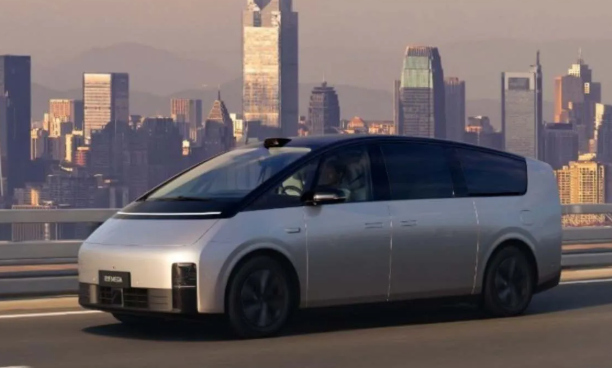
Li Auto Inc. has initiated an unprecedented recall of 11,411 MEGA 2024 vehicles, offering a stark reminder that even seemingly minor components can pose catastrophic risks in electric vehicles. The voluntary recall, announced last week and beginning this week, stems from inadequate anti-corrosive properties in the coolant system that could ultimately lead to battery thermal runaway. The incident underscores the complex engineering challenges automakers face as they compress development timelines in China's hyper-competitive EV market.
The recall follows a recent MEGA fire incident in Shanghai, with Li Auto proactively acknowledging the defect before official investigations concluded. The company will replace coolant, battery packs, and front motor controllers free of charge—a remediation effort expected to cost over 100 million yuan given the scale and component replacement requirements. Each vehicle requires one working day for the complete replacement process.
The defect affects a critical yet often overlooked system. Under specific conditions, insufficient anti-corrosive performance in the coolant can cause corrosion and leakage in aluminum cooling plates serving the battery pack and front motor controller. This can trigger warning lights, power limitations, failure to start, and in extreme cases, battery thermal runaway.
The incident represents a watershed moment for China's new EV manufacturers, highlighting technical vulnerabilities that emerge when cutting-edge technology meets accelerated production schedules.
The Hidden Complexity of EV Coolants
Coolant systems in electric vehicles operate under fundamentally different constraints than their internal combustion counterparts, yet regulatory frameworks only recently caught up. China's first national standard specifically for EV coolants was introduced in October 2025, replacing guidelines originally designed for conventional vehicles in 2013.
The critical differentiator lies in electrical conductivity. Traditional vehicle coolants exhibit conductivity levels of 2,000-5,000 μS/cm, adequate for systems operating at 12V. Electric vehicles, however, require coolants with conductivity below 100 μS/cm—roughly one-fiftieth of conventional coolants—to prevent electrical hazards in 400V or 800V systems. Even minor coolant leaks following collisions could create serious electrocution risks with higher conductivity fluids.
Material compatibility presents another layer of complexity. While internal combustion engines predominantly use cast iron components, EV cooling systems rely heavily on aluminum materials. This requires entirely different chemical formulations optimized for aluminum's unique corrosion characteristics. Industry sources indicate that automakers typically set internal standards exceeding national requirements, given the inadequacy of previous regulations.
Engineering Trade-offs in Accelerated Development
The cooling system integration process reveals why seemingly simple components can derail vehicle programs. According to automotive R&D personnel, development teams typically select coolant formulations first, then engineer all interfacing components around that choice. Changing coolant specifications mid-development would require comprehensive retesting of every component in the cooling circuit—a prohibitively expensive and time-consuming process.
The MEGA's use of 5C fast-charging battery technology—a market first—likely necessitated departure from Li Auto's existing coolant formulations used in its L-series vehicles. The high-performance battery system generates substantially greater thermal loads, demanding enhanced cooling capabilities that existing solutions may not adequately address.
Testing protocols attempt to compress real-world validation into manageable timeframes. National standards require static corrosion tests submerging materials in coolant for 14 days, plus dynamic circulation bench tests running approximately 40 days with actual components including heat exchangers, pumps, and battery cooling plates. Many automakers supplement these with high-pressure autoclave tests under elevated temperature and pressure conditions.
However, these accelerated tests cannot perfectly replicate extended service conditions. One thermal management engineer noted that comprehensive validation ideally requires 100,000 kilometers or more of road testing—timelines increasingly incompatible with competitive pressures to rapidly launch new models.
Systemic Implications for the Industry
The recall's scope extends beyond coolant replacement. Li Auto will replace only front motor controllers, not the motors themselves, suggesting different aluminum alloy compositions between components. This selective approach highlights the intricate material specifications throughout modern EV cooling systems, where engineers must account for every surface in potential contact with coolant.
The MEGA recall occurs against a backdrop of intensifying competition among Chinese EV manufacturers, where shortened development cycles have become competitive necessities. What might once have been considered adequate validation periods are now compressed to meet market windows. The coolant defect serves as a cautionary example of risks inherent in this accelerated pace.
Industry observers note that Li Auto's prompt acknowledgment and comprehensive remediation plan—replacing entire battery packs rather than attempting partial fixes—demonstrates unusual accountability. The proactive stance before official investigation conclusions represents a departure from typical industry practice, potentially setting new standards for manufacturer responsibility.
The incident reinforces that electric vehicles, despite increasing commoditization, remain sophisticated systems where overlooked details can cascade into critical safety issues. As the technology matures and production volumes scale, the automotive industry faces ongoing tension between innovation speed and comprehensive validation—a balance that will likely define competitive success and safety outcomes in the coming years.