
Geely Auto Secures Second Place Among Chinese Automakers as Entry-Level EVs Drive Growth
Geely Automobile reported record September sales of 273,125 vehicles, pushing cumulative deliveries for the first nine months of 2025 to 2.17 million units, representing 72% completion of its annual target and surpassing its full-year 2024 performance.
The Chinese automaker appears positioned to achieve its 3 million vehicle annual target, with fourth-quarter projections suggesting monthly sales volumes of 250,000 to 300,000 units. This performance solidifies Geely's position as the second-largest domestic Chinese automotive brand.
New energy vehicles drove significant growth, with NEV sales reaching 165,200 units in September, an 81% year-over-year increase representing approximately 60% of total Geely brand sales. The Galaxy sub-brand contributed 120,900 units, demonstrating strong market acceptance among new product lines.
Traditional internal combustion engine vehicles maintained steady performance with 101,100 units sold in September, up 7% month-over-month. Premium ICE models including the Xingyue L and Xingrui combined for 26,562 deliveries.
Among Geely's portfolio, the main Geely brand delivered 222,000 vehicles with 55% year-over-year growth, while Lynk & Co achieved 32,902 units, up 28%. However, premium electric brand Zeekr faced headwinds with 18,257 units, down 14.4% annually, sliding from second to third tier among new energy startups.
The company's sales surge partly relies on the compact electric Xingyuan model, which exceeded 50,000 units and accounted for 18.4% of total volumes. Industry analysts note this heavy dependence on a RMB 60,000 ($8,300) entry-level EV may not be sustainable long-term.
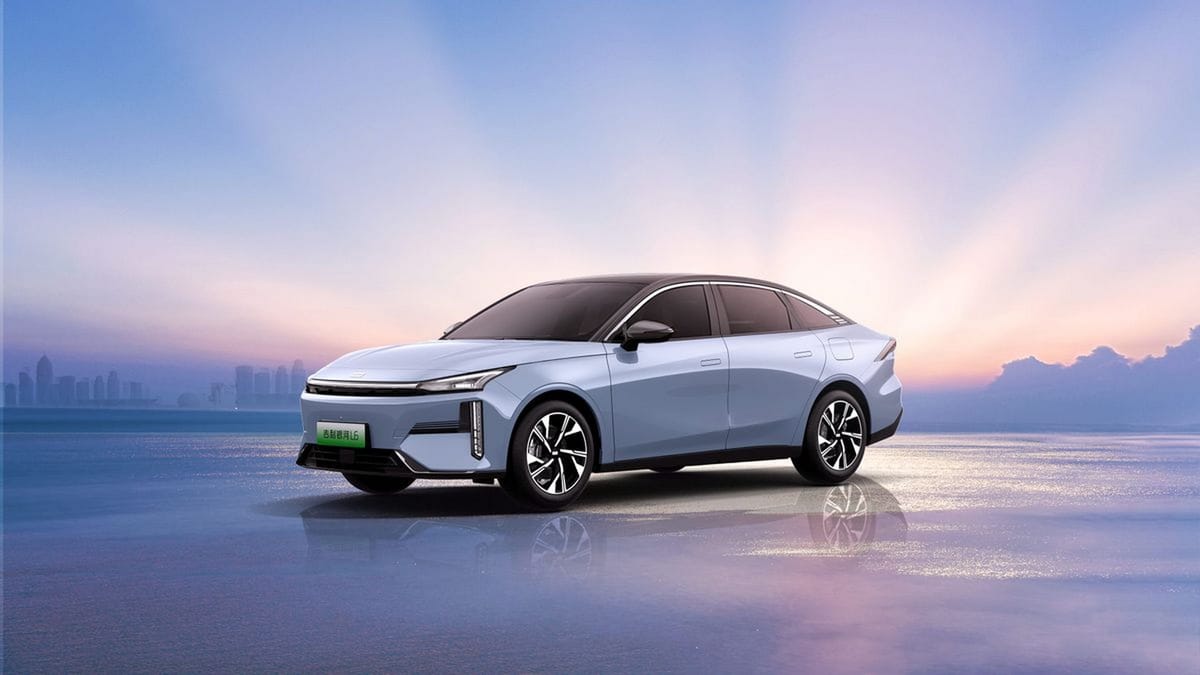
Geely is preparing to launch the Galaxy Xingyao 6 and fifth-generation Emgrand sedans targeting budget-conscious consumers, potentially competing with BYD's Qin PLUS and traditional joint-venture offerings. These models could provide approximately 30,000 monthly units, reducing pressure on the Xingyuan.
The automaker faces challenges in premium segments, where Zeekr competes against established rivals and Lynk & Co pursues market expansion through hybrid and refreshed model lineups. Success in higher-margin segments remains crucial for improving average selling prices beyond current entry-level volume drivers.
With annual targets nearly secured, Geely's focus shifts toward balancing volume growth with premium market penetration across its multi-brand strategy.