
Huawei Overtakes Apple to Claim Global Smartwatch Crown for First Time
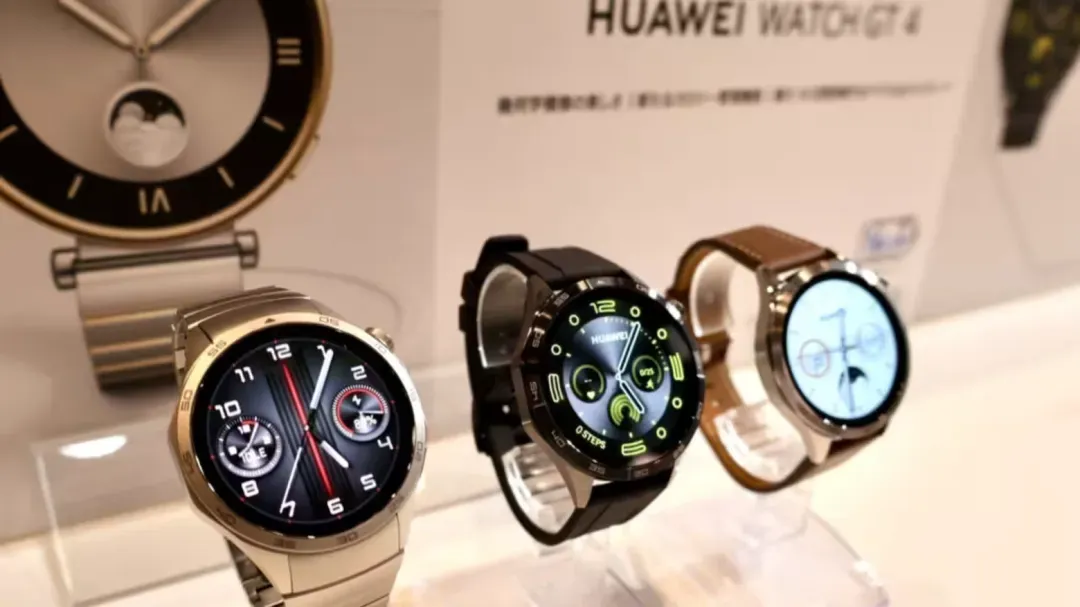
Huawei Technologies has dethroned Apple from the global smartwatch market leadership position for the first time in seven years, according to industry data, marking a significant shift in the wearable technology landscape driven by competitive pricing and expanded product offerings.
Market research firm Counterpoint reported that Huawei shipped 7.2 million smartwatches in the second quarter of 2025, capturing a 21% global market share with 53% year-over-year growth. Apple's shipments declined 3% to 5.8 million units, reducing its market share to 17%.
The reversal reflects broader market dynamics as cost-conscious consumers increasingly prioritize value over premium branding. Huawei's average selling price of approximately $227 compared to Apple′s $413 has resonated with buyers across multiple demographics and regions.
Global smartwatch shipments grew 8% year-over-year to 34.4 million units in the quarter, indicating healthy market expansion despite the leadership change.
Price Strategy Drives Market Penetration
Huawei's competitive pricing strategy has proven particularly effective as economic pressures influence consumer purchasing decisions. The company offers products ranging from entry-level models priced at several hundred yuan to premium flagship devices exceeding 20,000 yuan ($2,800), creating a comprehensive product pyramid that addresses diverse market segments.
Japanese electronics retailers report surging Huawei smartwatch sales, with elderly consumers frequently choosing the devices as their first smartwatches due to practical health monitoring features including blood pressure and heart rate tracking. The functionality has also made Huawei watches popular gifts during Japan's Respect for the Aged Day celebrations.
In European markets, including France, Huawei flagship stores report consistent foot traffic from young consumers and students willing to purchase the more affordable alternatives to premium offerings.
Expanded Distribution Network Powers Growth
Huawei's "Thousand Counties, Ten Thousand Stores" initiative has significantly expanded its physical retail presence in China's third and fourth-tier cities, enabling direct product experiences for consumers beyond major metropolitan areas. The domestic market contributes over three-quarters of Huawei's smartwatch sales volume.
Internationally, the company operates more than 62,000 stores and authorized dealer locations across 170 countries and regions, covering Europe, the Middle East, Africa, and Asia-Pacific markets. This distribution network provides crucial product accessibility compared to competitors with more limited physical retail footprints in emerging markets.
The integration between Huawei smartphones and smartwatches within the company's HarmonyOS ecosystem creates additional user retention benefits as the closed-loop experience matures.
Technical Innovation Meets Mass Market Needs
Huawei's recent GT 6 series incorporates comprehensive health monitoring capabilities including ECG, optical heart rate sensing, blood oxygen measurement, sleep tracking, and emotional monitoring. The devices support independent outdoor activity recording for activities including high-altitude sports, running, and cycling.
New connectivity features combine StarFlash and Bluetooth technologies, enabling smartwatches to share smartphone network connections for phone-free exercise experiences. Trail running features include segment navigation, route deviation alerts, and topographic displays, while water sports monitoring covers endurance and safety metrics.
The Xuanji health monitoring system paired with X-Tap sensors provides real-time physical condition analysis, while battery life extends 7-14 days with five-minute fast charging delivering 30% capacity restoration.
Apple Maintains Premium Positioning
Apple's September 10 product launch introduced three new smartwatch models: Series 11, Ultra 3, and SE 3, all supporting 5G connectivity with starting prices of 2,999, 6,499, and 1,999 yuan respectively.
The Series 11 features upgraded ultra-ceramic coating with doubled scratch resistance and enhanced cardiovascular health monitoring including 30-day hypertension trend analysis and sleep quality scoring. The Ultra 3 incorporates LTPO3 display technology with enhanced 5G and satellite communication capabilities, delivering up to 72 hours of low-power mode battery life.
Apple's watchOS platform maintains advantages through its ecosystem of over 50,000 applications spanning medical, financial, and productivity categories, providing comprehensive user experiences that leverage the company's integrated hardware and software approach.