
How a Chinese AI Startup's Voice Recorder Disrupted a Stagnant Market?
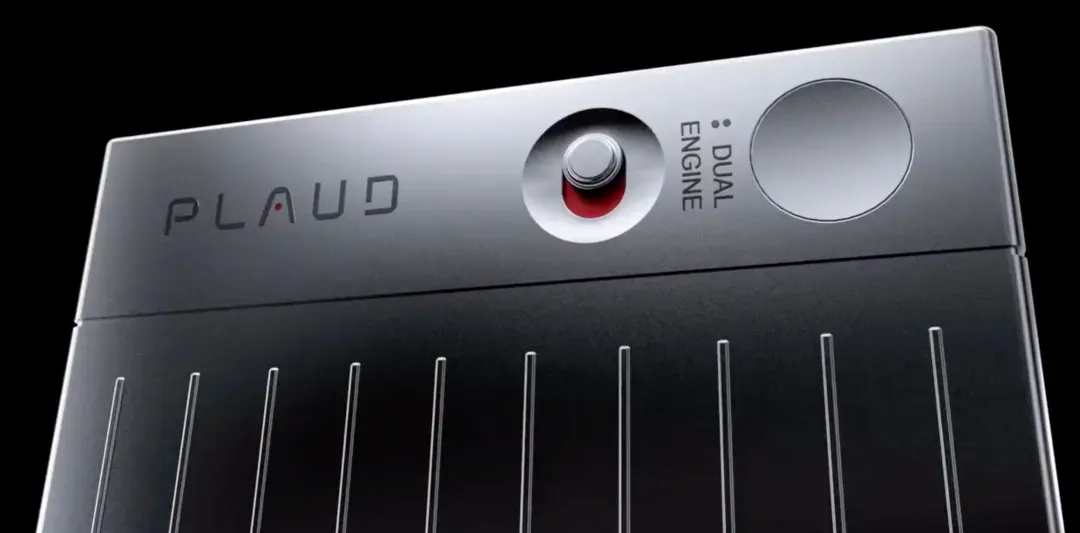
A Chinese-developed, credit-card-sized AI voice recorder has achieved remarkable global success by targeting a market niche left vacant by traditional electronics firms and tech giants. The Plaud Note, which integrates ChatGPT capabilities, has captured significant consumer interest by offering a seamless solution for recording and transcribing audio, underscoring a potent strategy for new hardware players in the AI era.
The device has seen rapid adoption since its launch. After successful crowdfunding campaigns, the company sold over 100,000 units within the first six months of general sales. This momentum culminated in July 2024 when the Plaud Note, priced at $159, became the number one best-seller in the digital voice recorder category on Amazon’s U.S. platform.
At the core of Plaud.ai's strategy is a "hardware plus subscription" model. The physical device serves as an entry point to a recurring revenue stream generated by its companion app, which offers AI-powered services like automated transcription, summarization, and mind-map creation. This model differentiates the company from competitors focused solely on one-time hardware sales and aims to build a sustainable and defensible business.
Building on its initial triumph, the company is now expanding its product portfolio to create a broader ecosystem. It is introducing new devices, including a wearable recorder and a professional-grade version, a strategic move designed to cater to a wider range of users and solidify its foothold in the growing AI hardware market.
Finding a Niche
The creation of Plaud Note stemmed from founder Xu Gao's identification of a substantial, underserved market. He observed that Google's "Live Transcribe" application had amassed over one billion downloads, signaling massive demand for audio-to-text functionality. Yet, the supply side remained stagnant. Traditional voice recorder manufacturers like Sony and Olympus had not significantly innovated their product designs or features for nearly a decade, while tech leaders like Apple deliberately omitted native call-recording functions from iPhones, citing global legal and privacy considerations.
This gap between immense demand and inadequate supply created an opportunity for a product that could bridge the divide. Xu Gao determined that a smart hardware device capable of seamlessly pairing with a smartphone to provide AI-enhanced recording, transcription, and summarization could capture this market. Plaud Note was conceived not to replace the smartphone, but to act as its specialized companion.
The AI Pivot
The product's evolution was catalyzed by the mainstream emergence of generative AI. Initially developed as a simpler recording device named "LazyCard," the product underwent a strategic transformation following the launch of ChatGPT in late 2022. The team rebranded the device to Plaud Note and deeply integrated AI capabilities into its core functionality.
Plaud Note was subsequently marketed as the "world's first ChatGPT-powered AI voice recorder." The company launched on global crowdfunding platforms Kickstarter and Indiegogo, where it raised over $2 million from backers in more than 140 countries. These campaigns not only provided crucial startup capital but also validated product-market fit and built an initial global brand presence before the wider commercial launch.
Hardware as a Gateway
Plaud.ai's business model is designed for long-term customer value rather than a single transaction. While the sleek hardware provides the initial appeal, the company's financial strategy is anchored in its software subscription service. The app unlocks the device's full potential, offering high-value features that transform raw audio into structured, actionable information.
This hybrid approach ensures continuous revenue and builds a defensive "moat" around the business. As founder Xu Gao articulated, the goal was to create a "beautiful business" where the hardware acts as the key to a long-term service relationship, setting Plaud Note apart from the "sell-and-forget" model of traditional hardware manufacturers.
Expanding the Ecosystem
Following the strong performance of the original Plaud Note, the company is moving swiftly to avoid single-product dependency by developing a product matrix. Two new devices, the Plaud NotePin and Plaud Note Pro, are slated for release to expand the "Plaud ecosystem."
The NotePin is designed as a highly portable, wearable AI recorder that can be worn as a brooch or accessory, targeting mobile users like journalists and content creators who need to capture inspiration on the go. The Note Pro will be a comprehensive upgrade of the original, featuring an advanced microphone system, intelligent scene detection, and longer battery life, tailored for business professionals and power users with demanding recording needs. Together, the three products aim to provide a cohesive and comprehensive solution covering casual, professional, mobile, and stationary use cases.