
Huawei Enters ‘Emotional Business’ as AI Companion Toy Sells Out Instantly
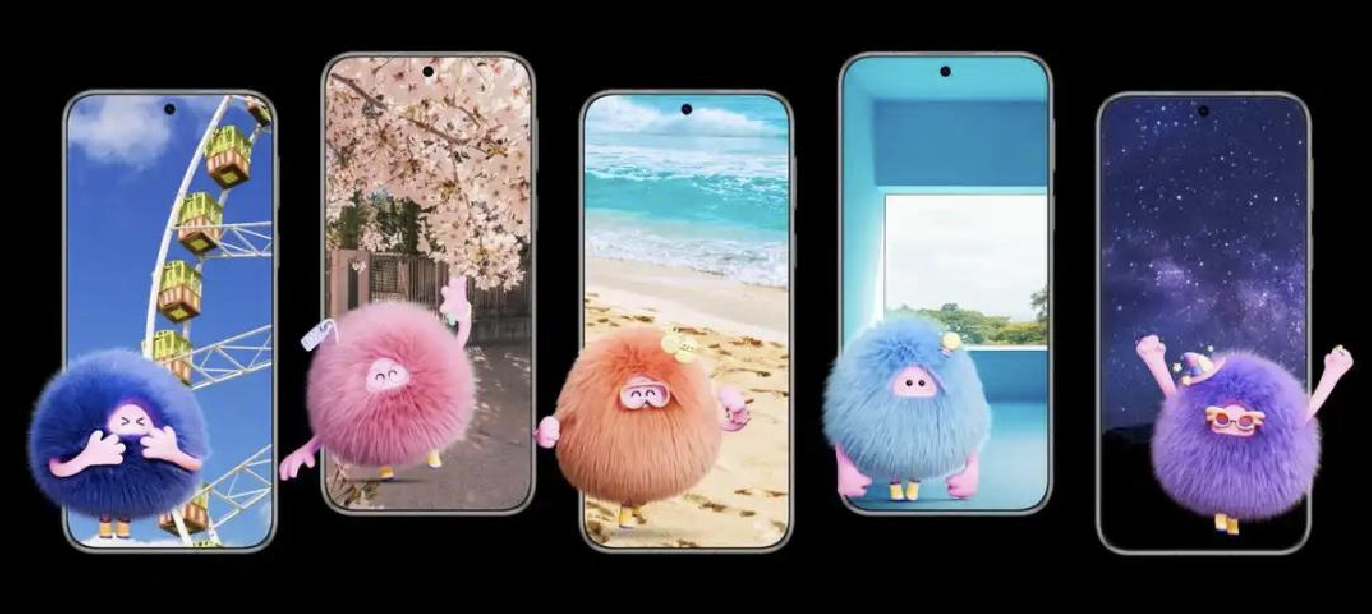
Huawei has formally entered the burgeoning AI companion hardware market with a low-cost device that sold out immediately upon launch, signaling a strategic pivot to capture the rapidly growing "emotional economy" amidst slowing growth in traditional consumer electronics sectors.
The device, a plush toy named "Smart Hanhan", was released on November 28 priced at RMB 399 yuan (US$55). Developed in partnership with Robo Future, the product serves as a physical embodiment of a virtual character from Huawei’s HarmonyOS. It utilizes large language model (LLM) technology via Huawei’s "Xiaoyi" assistant to offer voice interaction, long-term memory, and emotional tracking. Its distinct positioning as a wearable "bag charm" rather than a stationary desktop robot contributed to its instant sell-out status, helping drive secondary market prices up by 15% to 40%.
This move amplifies competition in the niche but expanding sector of AI-driven emotional support hardware, a market projected to reach significantly higher valuations by 2030 according to recent forecasts. Huawei’s entry validates the sector, attracting investor attention to supply chains involving voice synthesis, multimodal sensing, and algorithmic modeling, while simultaneously pressuring existing startups to differentiate beyond simple chatbot integrations or risk obsolescence in a capital-intensive environment.
While the "loneliness economy" offers vast potential, analysts warn that the current hardware landscape faces significant hurdles, including technical homogenization and consumer skepticism regarding interaction quality. No single AI companion product has yet breached the critical 2 million unit sales threshold, highlighting the challenge manufacturers face in converting initial novelty into sustained mass-market adoption and overcoming the stigma of "artificial stupidity" often associated with early-generation devices.
Competitive Pricing and Form Factor
Huawei’s pricing strategy aggressively undercuts existing market standards. While comparable AI toys typically retail between RMB 400 and RMB 1,000, and premium Japanese competitors like Casio’s Moflin cost approximately RMB 3,000 (US$413), the "Smart Hanhan" offers an accessible entry point. This low pricing barrier is coupled with a "fashion-first" design philosophy. By adopting a clip-on form factor similar to products from Fuzozo, another Robo Future Tech brand, Huawei is leveraging the social visibility of bag accessories—a trend successfully monetized by toy giants like Pop Mart.
This portability shifts the usage scenario from private indoor spaces to public outdoor environments, increasing user interaction frequency and social sharing opportunities. For Huawei, this is not merely a toy launch but an extension of its ecosystem; it materializes an existing digital asset into a tangible touchpoint, strengthening user stickiness within the HarmonyOS framework.
Seeking New Growth Engines
The entry into "emotional hardware" reflects a broader urgency within the consumer electronics industry to identify new revenue streams as smartphone innovation plateaus. Zhang Yi, CEO of iiMedia Research, notes that manufacturers are compelled to seek new growth curves outside saturated markets. By targeting the emotional wellness of adults rather than solely focusing on children's toys, tech giants can tap into a higher-spending demographic seeking relief from urban isolation.
This shift is supported by significant venture capital activity. In 2025 alone, over 20 companies in the "AI + Hardware" companion space secured financing, with several rounds exceeding RMB 100 million. High-profile investors, including funds associated with Xiaomi Corp founder Lei Jun, have backed similar ventures, underscoring the sector's perceived potential.
Technological Homogenization and User Feedback
Despite the capital influx, the industry faces a "quality ceiling." Industry insiders suggest that while achieving basic functionality is simple, creating a truly natural, high-empathy interaction remains technically difficult. Many current products are criticized by consumers for latency, rigid responses, and a lack of genuine emotional intelligence, leading to a reliance on "cute" intellectual property (IP) to drive sales rather than technological utility.
Currently, user purchasing decisions are heavily influenced by the visual appeal of the IP—such as the popularity of the "Hanhan" character—rather than the sophistication of the AI. For smaller startups, breaking this technical deadlock is difficult because high-quality, consumer-scenario training data is largely concentrated in the hands of internet giants. Without deep pockets to fund R&D and data acquisition, smaller players risk being squeezed out, as seen with the bankruptcy of U.S. robotics firm Embodied earlier this year.
The Hundred-Billion-Dollar ‘Loneliness Economy’
The fundamental driver for this sector remains the universal need for companionship. With the World Health Organization identifying loneliness as a significant global health concern, the addressable market is vast. Investment firm Ark Invest has projected the global AI companion market revenue could surge to between US70billionandUS70billionandUS155 billion by 2030.
Future growth is expected to fragment into specialized verticals, particularly elderly care. With the global population over 60 expected to reach 1.15 billion by 2030, robots capable of providing health monitoring alongside emotional support represent a massive growth vector. However, success in these segments will depend on moving beyond voice-only interfaces to deep, multimodal interactions involving touch and visual recognition, allowing these devices to transition from novelties to essential emotional anchors.