
JD.com Q4 2025 Earnings: Operating Loss Driven by New Business Drag, Leverage Rises
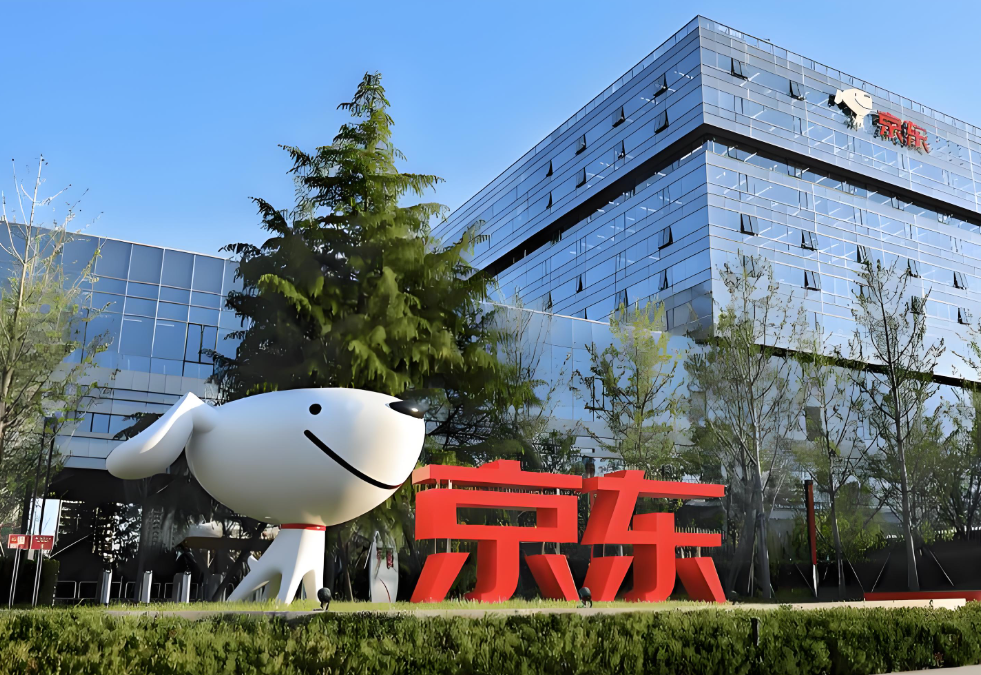
JD.com slipped to an operating loss in the fourth quarter of 2025, as sustained growth in its logistics arm was unable to offset stagnating retail revenue and substantial losses from investments in new business ventures. While its top-line revenue met market expectations and the company maintained its commitment to shareholder returns, the sharp erosion of profitability and a spike in financial leverage signal growing pressures on the Chinese e-commerce giant.
For the three months ended December 31, the Beijing-based company reported a non-GAAP operating loss of RMB 3.1 billion yuan, a stark reversal from a 3.02% operating margin in the same period a year earlier. Total revenue grew a modest 1.5% year-on-year to RMB 352 billion (US431million),largely in line with consensus estimates.
The turn to an operating loss was driven almost entirely by the company's "new businesses" segment, which booked a massive operating loss of RMB 14.8 billion. This deficit overwhelmed the operating profits generated by its core JD Retail and JD Logistics divisions, highlighting the heavy cost of its diversification efforts in a competitive market.
Despite a 90% year-on-year plunge in non-GAAP net profit to RMB 1.1 billion, the bottom-line figure surpassed some analyst expectations. However, the company's balance sheet showed signs of strain as its leverage—measured by total debt to last-twelve-months EBITDA—surged to 5.3x from just 1.6x a year prior, while net cash on hand declined by 20%.
Core Retail Stagnates as Logistics Grows
Performance across JD.com’s primary business units was mixed. The company's mainstay, JD Retail, saw its revenue decline by 3% year-on-year. A deeper look reveals a significant shift in consumer spending, with revenue from electronics and home appliances—traditionally JD.com's strength—falling by 12%. This was partly offset by a 12% rise in the general merchandise category and a 15% increase in revenue from third-party marketplace services.
In contrast, JD Logistics remained a bright spot, posting a robust 20% year-on-year revenue increase. The logistics arm’s non-GAAP operating profit grew 3% to RMB 1.9 billion, although its operating margin compressed by 54 basis points to 2.97%, indicating some pressure on profitability even in its growth engine. The retail segment's operating margin remained nearly flat, ticking down just 3 basis points to 3.24%.
New Business Losses Mount
The primary drag on JD.com's overall performance was its heavy investment in new initiatives. The segment, which generated RMB 14 billion in revenue, recorded an operating loss of RMB 14.8 billion for the quarter, greater than its entire turnover. The loss narrowed by only RMB 935 million from the third quarter, signaling persistent and significant cash burn in these ventures without a clear path to short-term profitability. Furthermore, the segment recorded a gross profit loss of RMB 327 million, indicating fundamental challenges in its business model.
Balance Sheet Under Pressure as Leverage Spikes
The financial results revealed a deterioration in JD.com's balance sheet and operational efficiency. The company's net cash position fell 20% year-on-year to RMB 127.7 billion, while total debt increased by 18% to RMB 97.7 billion. This combination caused its total debt-to-capitalization ratio to climb to 25%, up from 21% a year ago.
Operational metrics also weakened. Inventory days increased to 37.8 days from 31.5 days in the fourth quarter of 2024, suggesting slower product turnover. The company's liquidity remains strong, with cash covering short-term debt by a multiple of 19.6x, but the rising leverage and weakening cash flow metrics are points of concern for investors.
Shareholder Returns Continue Amid Profit Slump
Despite the challenging quarter, JD.com continued to return capital to its shareholders. The company repurchased US$1.5 billion of its shares during the fourth quarter, bringing its total for the full year of 2025 to US$3 billion. An additional US$2 billion remains under its current share repurchase program, which is effective through August 2027.
Furthermore, the company announced an annual dividend of US$1.4 billion for 2025. These moves signal management's confidence in its long-term free cash flow generation, even as it navigates near-term profitability headwinds and intense competition within China's e-commerce landscape.