
Leapmotor Emerges as Most Profitable New EV Maker as NIO, XPeng, Li Auto Target Q4 Profitability
China’s emerging electric-vehicle manufacturers delivered mixed third-quarter results that underscore a pivotal moment for the industry, with Leapmotor posting the strongest profit among new entrants while former leaders struggle with margin pressure. The diverging performances highlight an increasingly competitive landscape where sales growth alone no longer guarantees financial success.
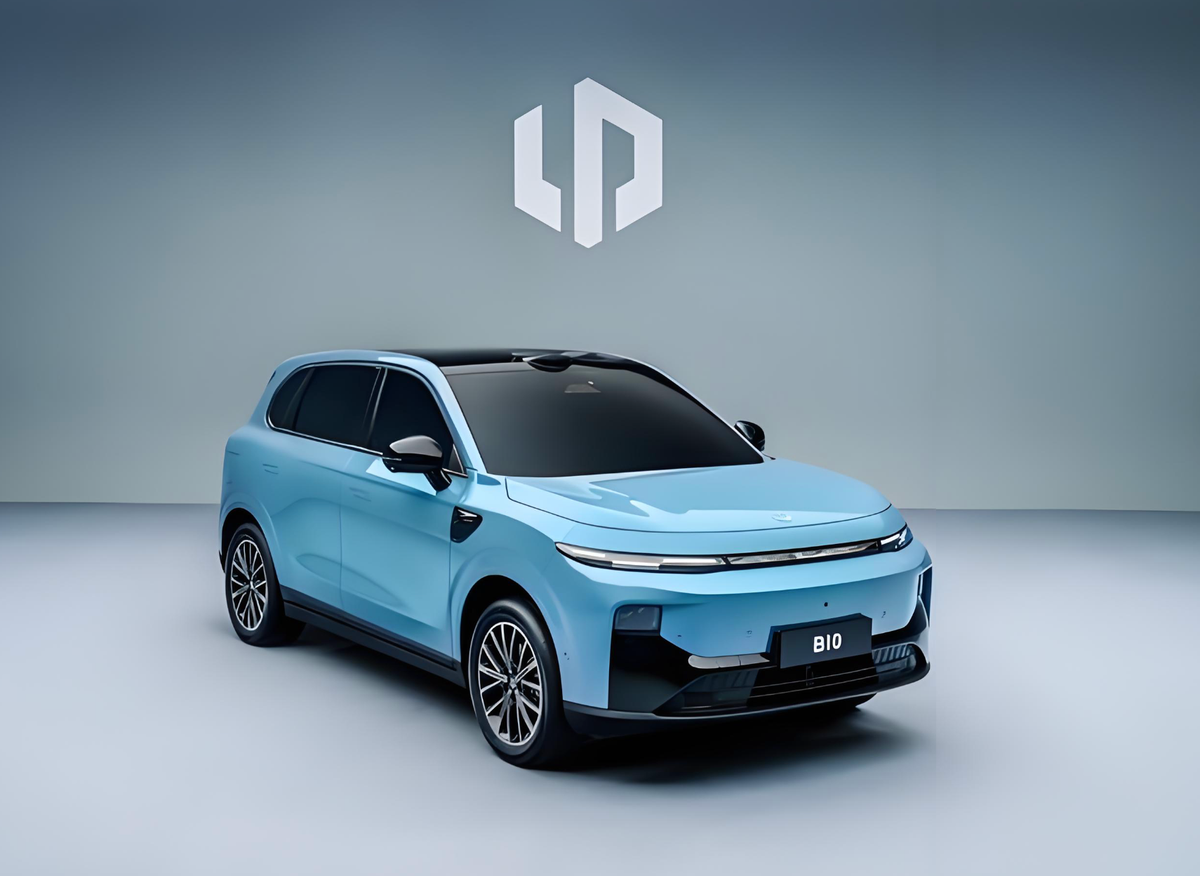
Leapmotor recorded a net profit of 150 million yuan ($21 million) in Q3, making it the only major new-energy startup to achieve profitability during the quarter. The Hangzhou-based company’s deliveries more than doubled year-on-year to 173,852 vehicles, with revenue surging 97% to 7.27 billion yuan.
Meanwhile, NIO, XPeng and Li Auto all reported losses but expressed confidence in turning profitable by the fourth quarter.
NIO narrowed its net loss by over 30% to 3.48 billion yuan ($483 million), while XPeng’s loss shrank to 380 million yuan ($53 million). Li Auto unexpectedly posted its first quarterly loss since late 2022, largely due to recall-related provisions.
The results make 2025 a watershed year for China’s EV sector, as manufacturers shift focus from market-share expansion to sustainable profitability amid slowing domestic demand and regulatory change.---
NIO Bets on New Models to Close Profitability Gap
NIO delivered 87,071 vehicles in Q3, achieving record revenue of 21.74 billion yuan ($3.0 billion). Comprehensive gross margin reached 13.9%, the highest in three years, while automotive margin improved to 14.7%.
The Onvo L60, its mass-market sub-brand model, played a key role, selling 21,572 units within two months with a gross margin between 15%–20%. CEO William Li said the redesigned ES8, which will see increased deliveries in Q4, carries margins above 20%.
NIO aims to reduce SG&A expenses to 12% of sales in Q4, down from 23% in Q3. R&D spending remains around 2 billion yuan ($278 million) per quarter, with Q3 expenses reaching 2.39 billion yuan ($332 million).
XPeng Eyes Margin Recovery Through Range Extenders
XPeng delivered 116,007 vehicles in Q3, generating 20.38 billion yuan ($2.8 billion) in revenue and posting a net loss of 380 million yuan ($53 million)—all historical bests. Overall gross margin rose to 20.1%, though automotive margin slipped to 13.1% as ASP fell to 156,000 yuan ($21,700) from 189,000 yuan ($26,300) a year earlier.
High-margin service revenue of 2.33 billion yuan ($324 million) at a 74.6% margin helped offset pressure in vehicle sales.
Volkswagen deepened its partnership by increasing investment and becoming a customer for XPeng’s VLA 2.0 architecture and Turing AI chip.
The M03 maintains monthly sales around 15,000 units, while the P7+ delivers 5,000–7,000 units per month. XPeng launched the X9 extended-range version in November, reporting orders above expectations, and plans to offer seven models with both pure-electric and extended-range options by 2026.
Q3 R&D expenses rose 48.7% year-on-year to 2.43 billion yuan ($337 million) as the company accelerates VLA 2.0, robotaxi and humanoid robot technologies.---
Li Auto Reports First Loss Since 2022
Li Auto delivered 93,211 vehicles in Q3, down from 152,831 a year earlier. Revenue fell 36.2% to 27.36 billion yuan ($3.8 billion), with a net loss of 620 million yuan ($86 million)—its first quarterly loss since Q4 2022.
The loss stemmed primarily from more than 1 billion yuan ($139 million) in provisions related to the MEGA recall. Excluding recall impacts, automotive margin would have reached 19.8% instead of 15.5%, likely resulting in several hundred million yuan in profit.
CEO Li Xiang said the 2026 L-series overhaul will feature streamlined SKUs, standard 5C fast-charging, upgraded luxury features and Li Auto’s in-house M100 AI chip—aiming to regain momentum lost to Aito, NIO and Xiaomi.—
Xiaomi Achieves First Quarterly Auto Profit
Xiaomi delivered approximately 108,800 vehicles in Q3. Its automotive and AI innovation business generated 29 billion yuan ($4.0 billion) in revenue, up 199% year-on-year, with after-sales and financial services contributing 700 million yuan ($97 million).
The segment achieved operating profit of 700 million yuan ($97 million)—Xiaomi’s first quarterly profit in automobiles.
Production improvements accelerated deliveries of SU7 Pro and Max variants, though supply constraints continue to limit other models. Xiaomi is reportedly preparing three large“Kunlun”extended-range SUVs for 2026, with 70 kWh and 90 kWh packs, targeting the core segment dominated by Li Auto and Aito.---
Zeekr Narrows Losses Ahead of Geely Merger
Zeekr delivered 140,195 vehicles in Q3, including 52,860 under Zeekr and 87,335 under Lynk & Co, with NEVs making up 72.4% of Lynk & Co sales. Revenue reached 31.56 billion yuan ($4.4 billion) with a net loss of 310 million yuan ($43 million). Comprehensive gross margin improved to 19.2%, and automotive margin to 15.6%, though losses widened 7% from Q2.
The merger with Geely Automobile is expected to complete by year-end, easing organizational and R&D pressures. Zeekr launched the 9X and Lynk & Co 900 large SUVs, ranking sixth and fourth respectively in China’s October large SUV segment with 3,762 and 7,048 deliveries.—
Seres Maintains High Margins on Premium Mix
Seres reported Q3 revenue of 48.13 billion yuan ($6.7 billion), up 15.8% year-on-year. Net profit attributable to the parent was 2.29 billion yuan ($329 million), down 1.7% year-on-year but up 8.1% sequentially.
The Aito brand delivered 124,000 vehicles, up 12.2%. The M8 sold 65,000 units in its first full quarter, forming a high-margin premium lineup with the M9. However, marketing costs for the M8 BEV and new M7, along with continued channel investment, pushed selling expenses to 14.6% of revenue, up 3.5 ppts.
Seres raised HK$14 billion ($1.8 billion) in its November Hong Kong listing, allocating 40% to R&D for internationalization and intelligent-tech development.
BYD Shifts From Market Share to Profit Quality
BYD sold 1.1142 million vehicles in Q3, slightly below last year’s 1.129 million. Revenue fell 3.1% to 194.98 billion yuan ($27.1 billion), while net profit declined 32.6% to 20.24 billion yuan ($2.8 billion).
Founder Wang Chuanfu said BYD will shift from prioritizing market share to enhancing profit quality. The company invested 43.75 billion yuan ($6.1 billion) in R&D in the first three quarters, up 31.3% year-on-year.
BYD sold 701,600 vehicles overseas in the first three quarters. New production facilities in Hungary and Turkey will accelerate overseas expansion as domestic tax incentives wind down.
Traditional Automakers Face Restructuring Pressure
Geely Automobile sold 761,000 vehicles in Q3 with record revenue of 89.19 billion yuan ($12.4 billion). Net profit attributable to owners rose 59% to 3.87 billion yuan ($531 million). The Galaxy brand delivered 327,000 units, up 170%, accounting for most of Geely’s 443,000 NEV sales at a 58% penetration rate.
SAIC reported Q3 revenue of 169.4 billion yuan ($23.5 billion) and net profit of 2.08 billion yuan ($289 million), up 645% from a low base last year.
GAC Group posted a net loss of 1.77 billion yuan ($246 million), widening 27% as its Aion EV brand faces softening ride-hailing demand.
Chery sold 747,600 vehicles in Q3. For the first nine months, revenue reached 214.83 billion yuan ($29.8 billion) and net profit 14.37 billion yuan ($2.0 billion), up 28% and 17.9%. Exports grew 12.9% to 936,000 vehicles, now consistently representing half of monthly sales.