
Li Auto Shares Drop as Aggressive EV Pricing Spooks Investors
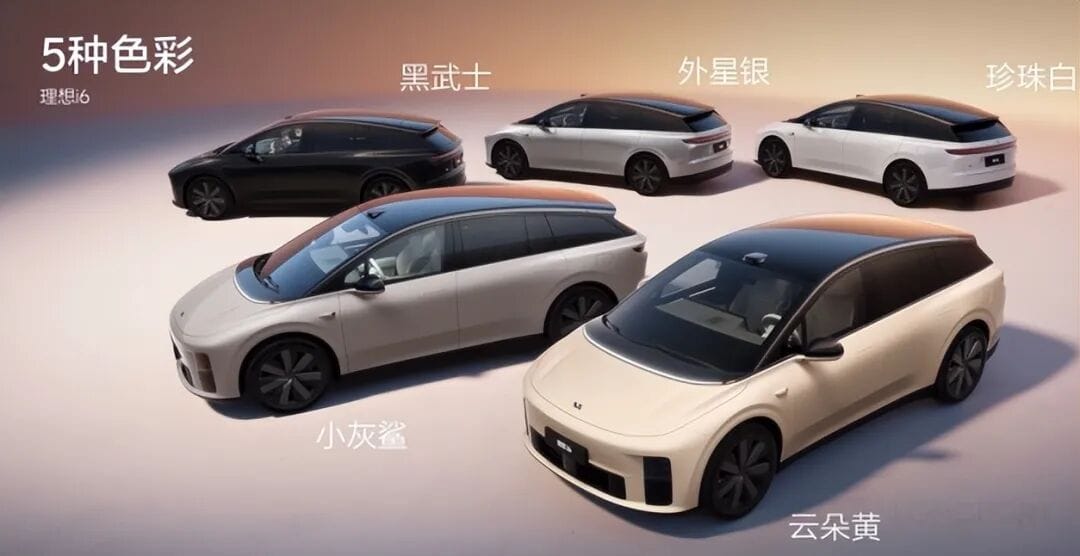
Li Auto Inc.’s new i6 electric SUV secured tens of thousands of orders within hours of its launch, but the initial sales success was met with a stock sell-off as investors focused on the high cost of its aggressive pricing strategy and a challenging pivot into the crowded battery-electric market.
The automaker, known for its popular extended-range hybrid models, launched the i6, its third pure battery-electric vehicle (BEV), on Friday evening. The company reported receiving over 20,000 non-refundable deposits for the new SUV within four hours, a figure supported by its first-ever use of a celebrity spokesperson and a major marketing push.
Despite the strong initial demand, Li Auto’s Hong Kong-listed shares fell in the following trading session, extending a period of investor skepticism that has weighed on the stock for much of 2025. The market’s muted reaction highlights deep-seated concerns that the automaker is sacrificing its once-enviable profitability to gain a foothold in China’s fiercely competitive BEV segment.
The strategy for the i6 underscores a critical shift for the company, which now appears willing to accept lower margins and even cannibalize sales from its established hybrid lineup to ensure its BEV ambitions succeed, following the disappointing launches of its previous two electric models.
A Promotion-Fueled Launch
To secure a strong start for the i6, a model tasked with driving volume, Li Auto has implemented an aggressive pricing and promotion strategy. While the i6 officially shares the same starting price as its extended-range counterpart, the L6, at RMB 249,800 yuan (approximately US$34,700), a suite of launch incentives makes it significantly cheaper in practice.
Early buyers receive complimentary add-ons, including an in-car refrigerator, soft-closing doors, and a premium dual-chamber air suspension system, collectively valued at RMB 25,000. On top of this, the company is offering a direct RMB 10,000 cash discount. These promotions effectively reduce the entry price and address previous criticisms about the feature packaging on its i8 EV. This approach signals a more resolute effort to boost its BEV sales after the Mega MPV fell flat and the i8 required post-launch price adjustments.
Targeting Market Leaders
Li Auto is positioning the i6 to compete directly with the top-selling premium electric SUVs in the RMB 200,000 to RMB 300,000 segment, primarily the Tesla Model Y and the SU7 from Xiaomi Corp.. The i6 enters the market with a lower starting price and a list of high-end standard features aimed at attracting buyers.
All i6 models come equipped with a long-range LFP battery from Contemporary Amperex Technology, 800-volt fast-charging architecture, an Nvidia Corp. Orin-X chip for its advanced driver-assistance system, and a lidar sensor from Hesai Group. Li Auto also touts its charging infrastructure—the largest self-operated network among Chinese automakers—as a key competitive advantage.
Investor Concerns Mount
The aggressive sales tactics, however, have failed to rally investors, who remain focused on several key risks. The foremost concern is the impact on gross margins, which have been a point of strength for Li Auto relative to its peers. The current strategy of offering significant discounts suggests that even a successful sales run for the i6 could come at the cost of profitability.
Investors are also questioning the sustainability of the sales momentum. There is concern that demand could plummet once the generous, limited-time launch promotions are withdrawn. Furthermore, the initially quoted delivery time of one to five weeks has led some observers to question the depth of the order book beyond the initial surge. For investors who had bought the stock in anticipation of the launch, the event became a "sell-the-news" opportunity.
A Painful but Necessary Transition
The push for the i6 reflects Li Auto's recognition that its long-term future cannot rely solely on its aging L-series hybrid models, which face increasing competition. The company is now in a "painful transition period," sacrificing short-term profitability for a strategic beachhead in the crucial BEV market—a path previously trod by rivals like Nio Inc. and XPeng Inc..
Analysts note that while Li Auto possesses a stronger balance sheet and greater organizational agility than many of its peers, the transition remains fraught with risk. The company's next major EREV model updates are not expected until 2026, placing immense pressure on the i6 to perform through 2025. The long-term investment case hinges on whether Li Auto can successfully establish a dual-track strategy with both hybrids and BEVs by 2026. Until then, the company’s performance and stock valuation will likely remain closely tied to the sustained monthly sales figures of the i6.