
Li Auto Shuffles R&D Leadership to Bet on Robotics and AI
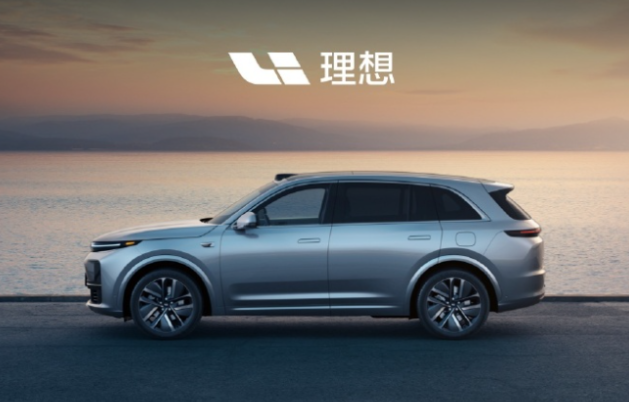
Li Auto has reportedly restructured its research and development organization, reassigning top executives to focus on robotics and artificial intelligence as the company seeks to pivot following a challenging financial performance in 2025.
According to local media reports published on Jan. 29, the Beijing-based electric vehicle manufacturer has reorganized its R&D system into three core teams: Foundation Model, Software Entity, and Hardware Entity. The company has not yet officially commented on the reports.
Under the reported structure, the autonomous driving division will be integrated into the Software Entity team led by Gou Xiaofei, Vice President of Intelligent Space. Gou will now oversee both smart cockpit and intelligent driving development, reporting to Company President Ma Donghui.
In a significant strategic shift, Lang Xianpeng, the former Senior Vice President of Autonomous Driving, has been moved to lead the Hardware Entity team. His new mandate focuses specifically on the research and development of robotics, also reporting to Ma.
Additionally, Senior Algorithm Expert Zhan Kun will lead the Foundation Model team, tasked with integrating Vision-Language-Action (VLA) models with in-house chip development. Zhan will report to CTO Xie Yan. This marks the second reported adjustment to the autonomous driving team this month, following earlier reports that Zhan had taken over VLA foundation model development.
The organizational shake-up aligns with a broader strategic transition outlined by CEO Li Xiang. During an internal meeting on Jan. 26, Li emphasized the urgency of the company’s artificial intelligence ambitions. He reportedly stated that 2026 represents the final window for companies to establish themselves as top-tier AI players.
Li laid out a roadmap predicting that Level 4 (L4) autonomous driving will be viable by 2028. He asserted that globally, no more than three companies will eventually master the full stack of foundation models, chips, operating systems, and embodied intelligence. Li confirmed that Li Auto aims to be one of these players and plans to launch humanoid robots in the near future.
The aggressive push into AI and robotics comes as Li Auto faces mounting pressure from slowing sales and financial headwinds. Data shows that for the full year 2025, Li Auto delivered 406,300 vehicles, an 18.81% year-on-year decline, achieving only 63% of its annual sales target.
Financially, the company’s momentum stalled in the third quarter of 2025. Li Auto reported a net loss attributable to ordinary shareholders of RMB 624 million yuan (US$86.6 million), ending a streak of 11 consecutive quarters of profitability. During the Q3 earnings call, Li acknowledged the challenges and committed to reforms across organization, technology, and product lines, a strategy now visible in the creation of the dedicated robotics unit.