
Morgan Stanley After the Founder Meeting: NIO’s Reset Is Real, but the Clock Is Ticking
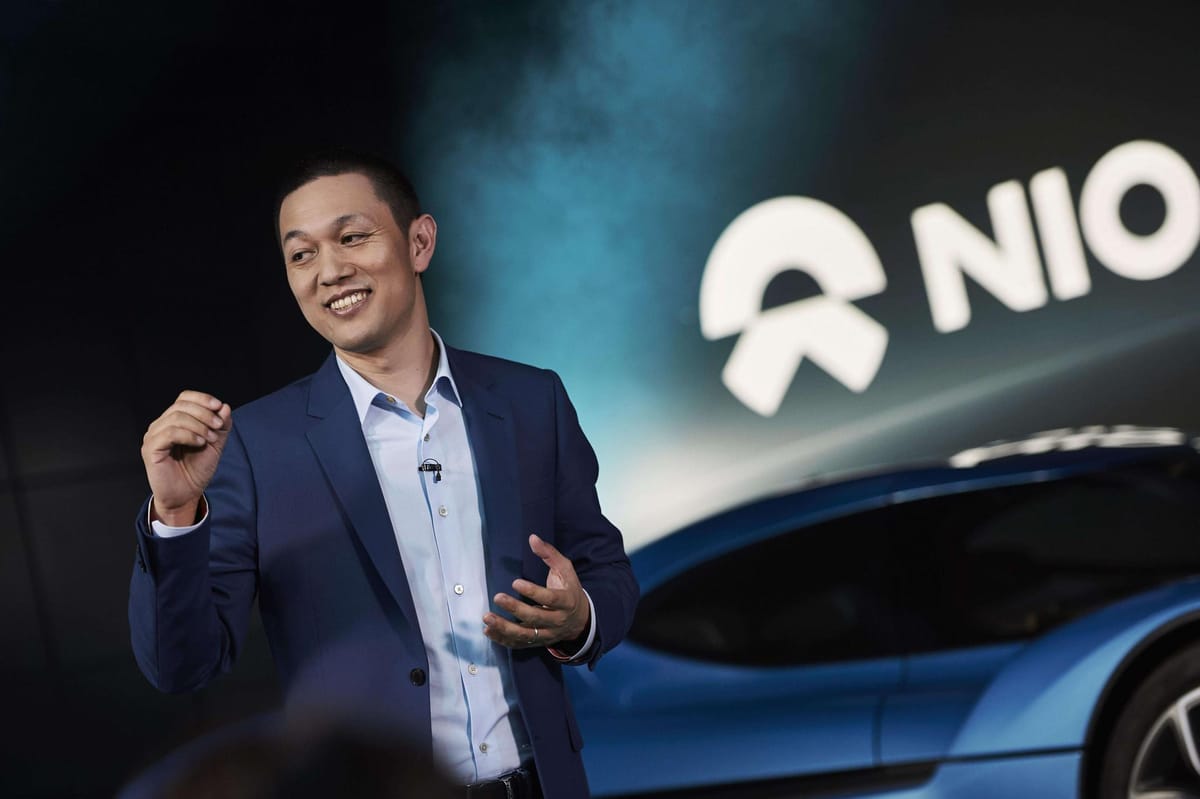
In a research note published in early 2026 following a meeting with founder and management, Morgan Stanley revisited one of China’s most debated electric vehicle makers: NIO. The topic was not new—cost control, execution discipline, and survival—but the tone was notably different. This time, the bank framed NIO less as a visionary EV disrupter and more as a company in the middle of a hard operational reset.
Why is the report worth attention? Because after years of margin pressure, cash burn, and strategic drift, Morgan Stanley sees clearer signs that NIO understands what must change. Whether it can change fast enough is another question.
From “Vision-First” to “Execution-First”
Morgan Stanley’s central takeaway from the founder meeting is that NIO’s internal priorities have shifted decisively. Management acknowledged that the company’s earlier operating model—heavy upfront investment, broad product lines, and generous service commitments—was no longer viable in a highly competitive and price-sensitive EV market.
According to the bank, NIO is now explicitly prioritizing cost reduction, organizational efficiency, and margin recovery over volume-at-all-costs expansion. This marks a philosophical break from its earlier narrative-driven strategy.
The report notes that management repeatedly emphasized “operational discipline” and “execution accountability,” signaling an internal cultural reset rather than a superficial tactical tweak.
Cost Cuts Are No Longer Optional
Morgan Stanley highlights cost control as the most urgent theme. NIO’s operating expenses, particularly R&D and SG&A, had expanded rapidly in prior years, outpacing revenue growth and weighing heavily on margins.
Management told Morgan Stanley that 2026 will be a year of “structural cost optimization,” not just temporary spending restraint. This includes tighter R&D prioritization, streamlined organizational layers, and more disciplined capital allocation across vehicle platforms.
Importantly, the bank interprets these comments as recognition that scale alone will not solve NIO’s margin problem. In a market where peers have proven they can cut prices aggressively while remaining profitable, inefficiency is no longer survivable.
Multi-Brand Strategy Under Scrutiny
One of the more sensitive topics addressed in the meeting was NIO’s multi-brand approach, including mass-market and sub-brand initiatives launched to broaden its addressable market.
Morgan Stanley does not suggest that management is abandoning the strategy, but it notes a more cautious tone. The focus, according to the report, is shifting from rapid brand proliferation to ensuring that each brand has a clear cost structure, target customer, and path to profitability.
This matters because brand expansion without cost discipline risks repeating the same margin dilution that has plagued NIO’s core brand.
Battery Swapping: Strategic Asset or Cost Burden?
Battery swapping—long a defining feature of NIO’s differentiation—also came up prominently. Management reiterated its belief that swapping remains a long-term competitive advantage, particularly for premium users and fleet applications.
However, Morgan Stanley’s analysis suggests a more nuanced reality. While the company continues to invest in swap infrastructure, management appears increasingly focused on improving utilization rates and cost efficiency rather than aggressive network expansion.
The implication is subtle but important: battery swapping is being reframed from a growth symbol to a capital efficiency challenge. Investors, the bank notes, will increasingly judge the strategy on return metrics rather than narrative appeal.
Liquidity Is Stable—for Now
On cash and liquidity, Morgan Stanley describes NIO’s position as “manageable but constrained.” Management expressed confidence that current liquidity is sufficient to support operations through ongoing restructuring efforts.
That said, the bank is careful not to overstate comfort. The report underscores that execution slippage—particularly if cost reductions fail to materialize on schedule—could quickly revive funding concerns in a market where investor tolerance for cash burn has sharply declined.
In other words, liquidity buys time, not forgiveness.
Market Reality: No More Strategic Patience
Perhaps the most telling part of Morgan Stanley’s note is its implicit comparison between NIO and the broader EV field. The competitive landscape has changed. Price wars are no longer episodic; they are structural. Consumers are more price-sensitive, and capital markets are far less forgiving.
Against that backdrop, Morgan Stanley argues that NIO’s transformation is not optional. It is a prerequisite for continued relevance.
The bank does not frame the reset as guaranteed success. Instead, it presents 2026 as a proving year—one in which progress must show up not just in rhetoric, but in margins, expenses, and cash flow trends.
A Company at an Inflection Point
Morgan Stanley’s bottom line is measured but clear. NIO’s management now appears aligned with market realities, and the internal narrative has shifted from ambition to accountability. That alone is a meaningful change.
But credibility will be earned, not assumed. In an EV market defined by ruthless efficiency, vision without execution no longer commands a premium.
For NIO, 2026 is not about telling a better story. It is about proving—quarter by quarter—that the reset is real.