
Musk's Team Rumored to Survey Chinese Solar Firms, Orders Remain Unconfirmed
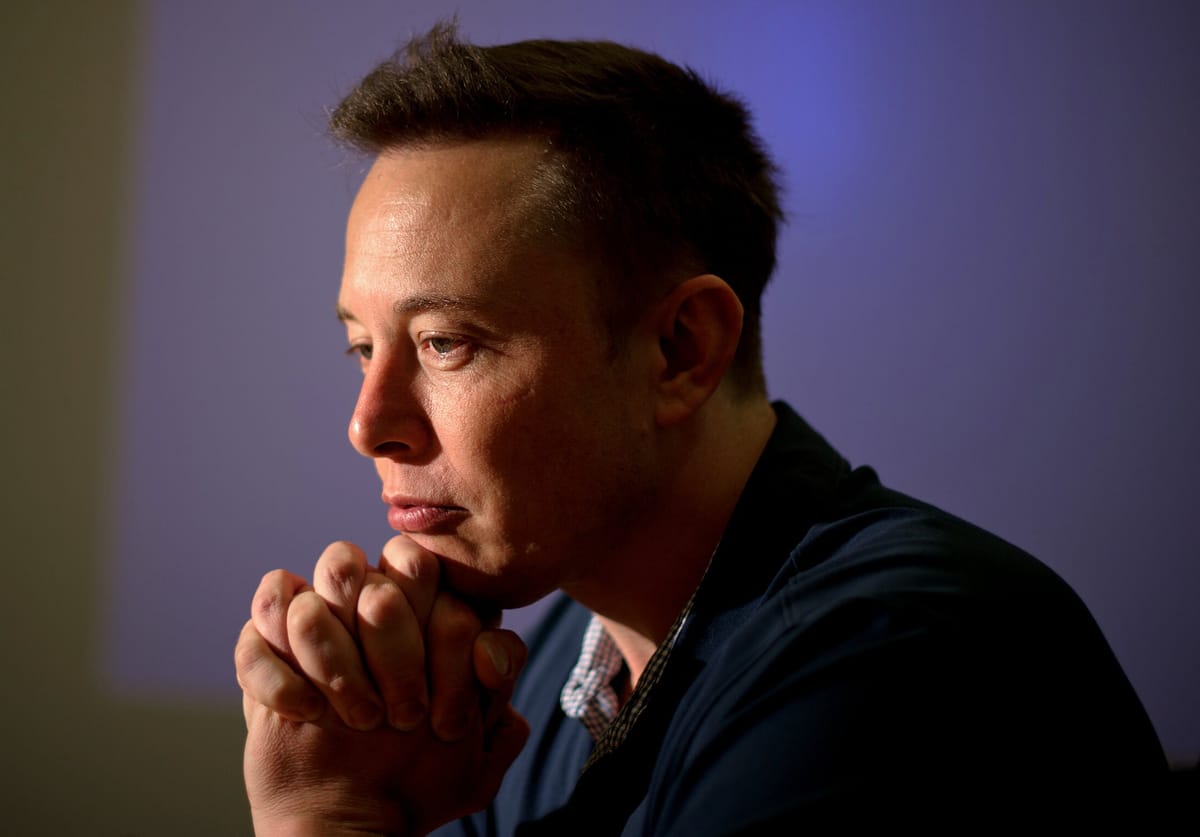
Elon Musk's team has reportedly conducted confidential visits to multiple Chinese solar manufacturers in recent weeks, sparking a rally in space solar stocks and fueling speculation about potential supply chain partnerships. While some companies have acknowledged contact with representatives linked to Musk's ventures, details of any commercial agreements remain undisclosed and unverified.
On February 4, 2026, China's space solar sector surged, with the space solar index jumping 2.73% by midday. Zhonglai Co. hit its 20% daily limit, while Topraysolar and other major players posted significant gains. The rally followed unconfirmed market rumors that Musk's team had been examining Chinese solar equipment, wafer, and module manufacturers, with particular interest in heterojunction (HJT) and perovskite technology platforms.
Jinko Solar, a leading module manufacturer, confirmed to media that it had "contact" with a delegation associated with Musk's team, which reviewed the company's technology reserves and production facilities. However, the company declined to provide specifics on cooperation intentions or examination details, noting that "mainstream domestic solar companies were also examined." No formal agreements have been publicly announced.
Industry sources told Chinese financial media that both SpaceX and Tesla teams have been conducting due diligence across China's solar supply chain, though the extent and outcome of these visits remain unclear.
HJT Equipment Orders Claimed But Unverified
Multiple supply chain sources have suggested that Musk's SpaceX team has focused particularly on solar equipment manufacturers and may have placed orders with a leading domestic HJT equipment supplier, according to reports from Chinese financial media. However, these claims have not been independently verified, and no companies have publicly confirmed signed contracts.
One industry source claimed that few companies can supply complete HJT production lines, and that Musk's team had previously maintained stable procurement relationships with certain Chinese HJT manufacturers. These assertions could not be confirmed through official company statements.
The reported interest in HJT and perovskite technologies aligns with requirements for space-based solar applications, where efficiency and weight considerations differ significantly from terrestrial installations.
Space Solar as Emerging Frontier
Space solar technology represents a convergence of commercial aerospace and renewable energy, designed to capture solar power in orbital environments, on lunar surfaces, or other extraterrestrial locations. The technology can transmit energy wirelessly to Earth or provide power for satellites, space stations, and potential space-based data centers.
Musk has previously endorsed space solar concepts. At the Davos forum, he praised China's solar industry achievements, noting that China's annual solar installation capacity exceeds 1,000 gigawatts, with steady-state power supply reaching 250 gigawatts when combined with energy storage—equivalent to half of U.S. annual electricity consumption. Addressing terrestrial power infrastructure constraints, Musk proposed deploying solar-powered AI data centers in space.
Chinese securities firms have identified space solar as a potential growth sector. Caixing Securities noted that commercial aerospace trends could drive adoption of P-type HJT or perovskite tandem solar cells for communications satellites, given their theoretically lower costs for commercial applications.
Satellite Power Systems Drive Demand
Zhongtai Securities highlighted urgent demand for satellite internet constellation deployment, with solar arrays serving as core energy system components accounting for 12%-24% of satellite value. As solar array surface area continues expanding to boost satellite power generation capacity, component value is expected to rise proportionally.
The increasing power requirements for next-generation satellites and space infrastructure could create new demand for advanced solar technologies, though the scale and timeline of any such market development remain speculative. Whether Musk's rumored survey activities will translate into concrete commercial partnerships with Chinese manufacturers has yet to be determined.