
NIO: Is This a Real Turnaround?
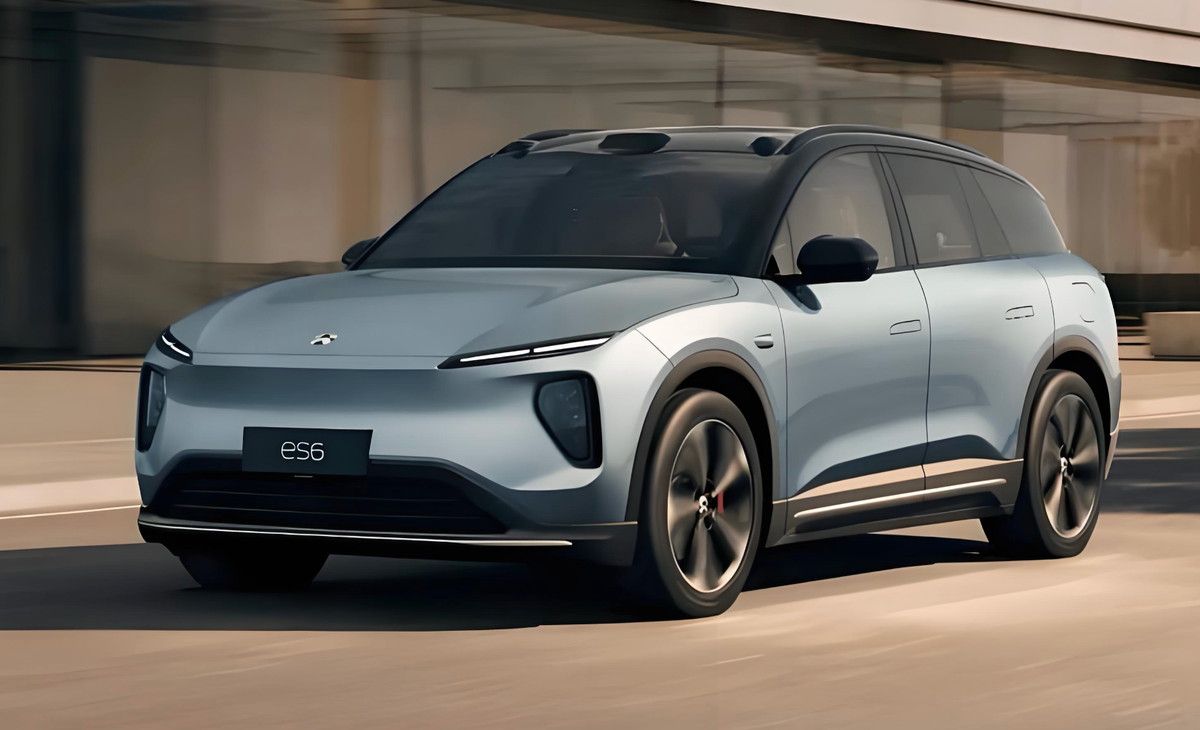
NIO posted third-quarter results that demonstrated meaningful progress in its cost-reduction strategy, but fourth-quarter guidance fell short of market expectations, raising questions about whether the Chinese electric vehicle maker's recovery can be sustained amid intensifying competition and subsidy headwinds.
The company reported a vehicle gross margin of 14.7% for the third quarter, exceeding analyst estimates of 12.9%, as cost-cutting measures yielded results. However, NIO guided for deliveries of 120,000 to 125,000 vehicles in the fourth quarter, below the market consensus of 136,000 units, as production ramp-up of its ES8 model lagged behind schedule and sales of its lower-priced Onvo L90 faced pressure from subsidy reductions.
The weak guidance overshadowed improvements in profitability. NIO narrowed its third-quarter net loss to RMB 3.66 billion ($503 million) from RMB 5.14 billion in the previous quarter, beating analyst expectations of a RMB 3.9 billion loss. The company maintained its target to achieve breakeven in the fourth quarter despite the softer delivery outlook.
For investors, the report highlights the tension between NIO's operational improvements and demand uncertainties heading into 2026, when the company faces a relatively light product pipeline and potential market headwinds from subsidy phase-outs.
Margins Surge on Cost Cuts
NIO's vehicle gross margin improved 4.4 percentage points quarter-over-quarter to 14.7% in the third quarter, driven primarily by lower unit costs rather than higher prices. The company reduced per-vehicle costs by RMB 13,000 to RMB 188,000, even as average selling prices declined RMB 3,000 to RMB 221,000.
The cost reduction stemmed from multiple initiatives. NIO replaced four NVIDIA Orin-X chips with its self-developed NX9031 chip, cutting RMB 10,000 per vehicle. The company also reduced aluminum content in vehicle bodies, increased platform integration rates, streamlined suppliers, and eliminated over-engineering from its NT2.0 platform. Scale effects from 21% higher deliveries of 87,000 units also contributed to lower unit costs.
The margin improvement allayed investor concerns about the profitability of the lower-priced Onvo L90. NIO indicated both the L90 and ES8 models achieved double-digit gross margins when monthly sales exceeded 10,000 units, despite competitive pricing.
Overall gross margin rose 3.9 percentage points to 13.9%, exceeding the market estimate of 11.1%. Other business segments, including parts sales and after-sales services, also improved margins to 7.8% from negative territory, reflecting headcount reductions in service teams.
Production Constraints and Subsidy Pressures
NIO's fourth-quarter delivery guidance of 120,000 to 125,000 vehicles implies average monthly deliveries of 40,000 to 42,000 units in November and December, roughly flat with October's 40,000 units. This represents a significant downward revision from the company's previous target of 150,000 quarterly deliveries.
The shortfall stems from two factors. ES8 production is ramping slower than expected, with wait times extending to 22-23 weeks and deliveries pushed into 2026. The model received approximately 96,000 orders in September following its launch and added about 40,000 orders in October, indicating strong demand but constrained supply.
Meanwhile, Onvo L90 sales appear to be weakening following the reduction of trade-in subsidies. The L90, priced below NIO's main brand vehicles, had driven volume growth in the third quarter but now faces headwinds as government purchase incentives decline.
Revenue guidance of RMB 32.7 billion to RMB 34 billion for the fourth quarter also missed the consensus of RMB 35.1 billion. However, the guidance implies higher average selling prices of approximately RMB 251,000, up from RMB 221,000 in the third quarter, as the higher-priced ES8 accounts for a larger mix. NIO previously guided for vehicle gross margins to improve further to 16%-17% in the fourth quarter, with both the L90 and ES8 targeting 20% margins.
Expense Controls Deepen Losses Narrow
NIO narrowed its operating loss to RMB 3.5 billion in the third quarter from RMB 4.9 billion in the prior quarter, better than the estimated RMB 3.87 billion loss. Operating margin improved 10 percentage points to negative 16.2%.
Research and development expenses fell sharply to RMB 2.39 billion from RMB 3 billion, reflecting completion of foundational work on the NT3.0 platform and staff reductions in technical teams. The company guided for non-GAAP R&D expenses of approximately RMB 2 billion in the fourth quarter.
Selling, general and administrative expenses rose RMB 220 million to RMB 4.18 billion, above the estimated RMB 3.8 billion, due to marketing costs for the L90 and ES8 launches. However, NIO consolidated its separate Onvo sales channel with the main brand and reduced service staff. The company projected non-GAAP SG&A expenses would fall to within 10% of revenue in the fourth quarter, implying RMB 3.3 billion to RMB 3.4 billion.
Cash and cash equivalents rose RMB 10.2 billion to RMB 22 billion, providing runway through at least 2027 based on current burn rates, according to analysts.
Outlook Remains Clouded
NIO's 2026 sales momentum remains uncertain despite operational improvements. The company plans to launch three new models next year: the ES9, a five-seat ES7 SUV, and the Onvo L80. Only the ES7 and L80 are expected to drive volume, representing a relatively light product cadence.
NIO's "5566" models (ET5, ET5T, ES6 and EC6), which were upgraded to 2025 versions based on the NT2.5 platform this year, will not receive major refreshes on the new NT3.0 platform in 2026. This may limit their competitiveness as rivals launch vehicles with larger batteries and smaller fuel tanks to address urban driving pain points.
The ES8's strong initial sales face questions about sustainability as the market potentially reverts to competition between extended-range and pure electric powertrains. The Onvo L90 has already shown signs of weakness following subsidy reductions, and both brands face headwinds from the scheduled phase-out of purchase tax exemptions.
However, NIO's improved financial position provides breathing room to execute its turnaround strategy and potentially course-correct if needed.