
NIO Outsells Mercedes, BMW and Audi in China for First Time
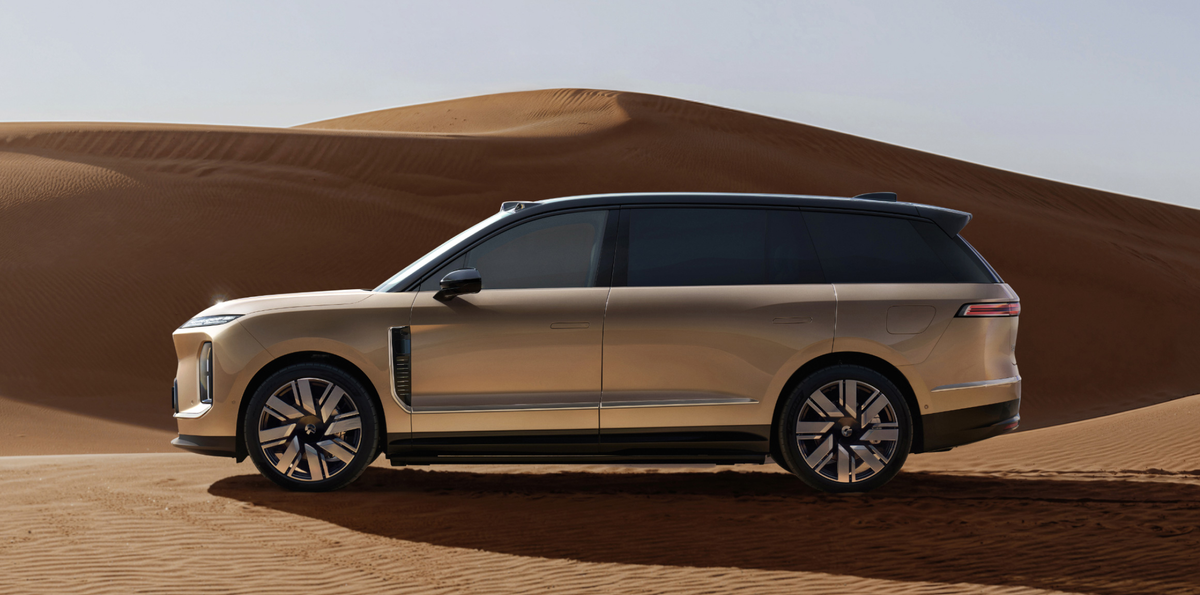
NIO surpassed all three German luxury automakers in China's retail market during the third quarter of 2026, marking the first time a domestic electric-vehicle brand has simultaneously outsold Mercedes-Benz, BMW and Audi in a single quarter, according to Wilson Terminal sales data cited by NIO co-founder and President Qin Lihong on October 17.
NIO Group's combined sales across its three brands — NIO, Ledao and Firefly — reached 111,638 units in the Chinese market during the quarter. By comparison, BMW (including MINI) sold 107,210 units, Mercedes-Benz (including smart and Maybach) recorded 99,592 units, and Audi posted 94,597 units over the same period. The figures reflect actual retail deliveries to end consumers and include imported models, measured on a group basis.
The milestone underscores a structural shift in China's luxury automobile segment, where the traditional benchmarks of prestige — engine performance, chassis engineering and brand heritage — are being replaced by new criteria including intelligent cockpit technology, battery-swap infrastructure and integrated service ecosystems.
NIO's multi-brand architecture has been central to its volume growth. The flagship NIO brand focuses on the premium pure-electric segment priced above RMB 400,000 yuan (approximately US$55,000), while Ledao targets the family-car market around RMB 200,000 and Firefly competes in the compact premium segment. The expanding battery-swap network has further supported the group's penetration beyond tier-one cities.
Qin said he expects the transition to battery-electric vehicles as the dominant powertrain to accelerate faster than previously anticipated.
The quarterly result, however, does not signal a comprehensive displacement of the German brands. Mercedes-Benz, BMW and Audi retain substantial advantages in global scale, brand equity, product breadth and after-sales infrastructure — advantages built over decades of dominance in the Chinese luxury market. For much of the past 30 years, the three marques effectively defined the concept of premium motoring for Chinese consumers, leveraging localized production, continuous model adaptation and incremental pricing to command the majority of the segment.
Still, the data reflects the mounting pressure traditional luxury brands face in China as electrification reshapes the competitive landscape. What was once a near-uncontested market is now subject to quarterly scrutiny against a domestic challenger that barely existed a decade ago. For investors tracking the global automotive transition, the data point signals that the premium EV segment in China has crossed a threshold that few anticipated arriving so soon.
Related Coverage:
NIO and Geely Forge Cross-Shareholding Alliance to Reshape China's EV Charging Landscape