
Nio Reports 81% Surge in Smart Driving Usage After 2026 World Model Update
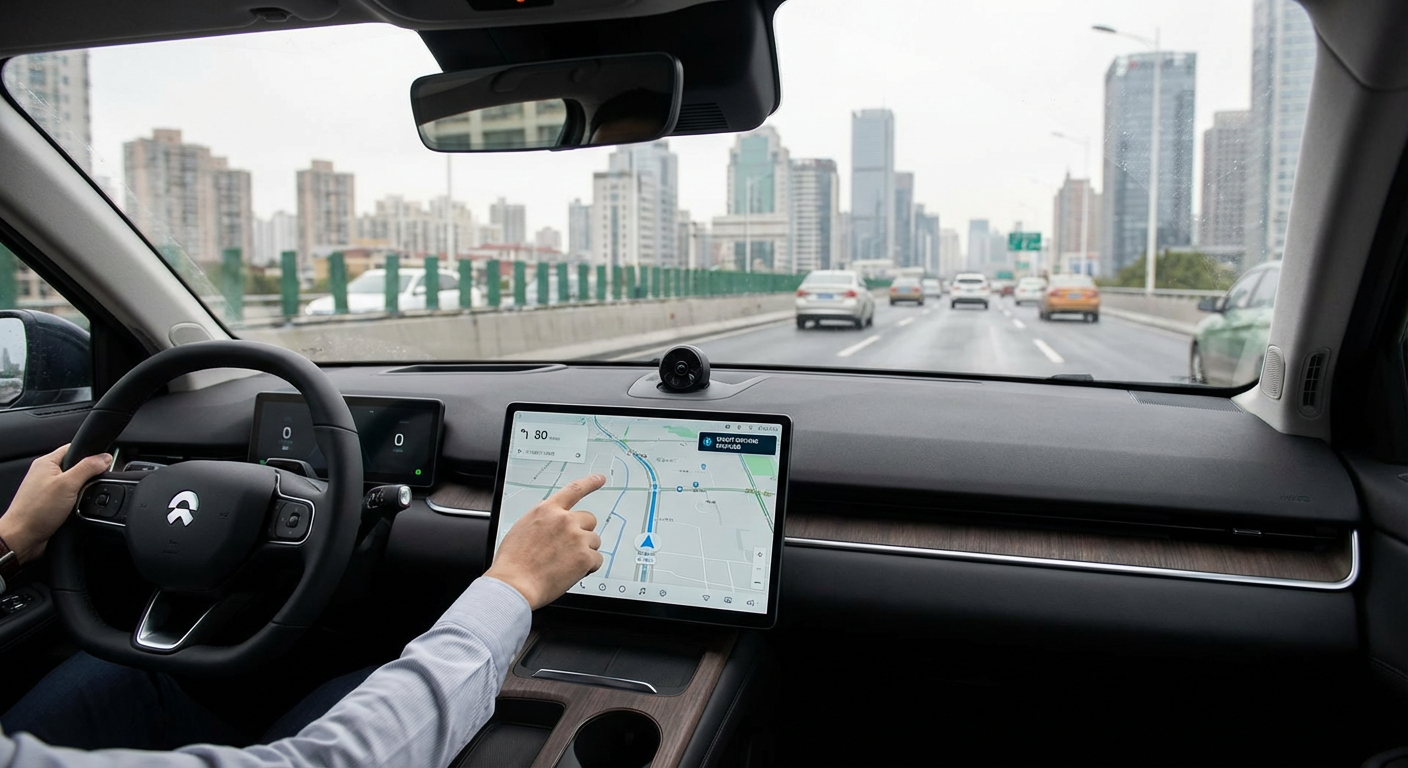
Nio has recorded a significant spike in adoption of its autonomous driving capabilities following a major software overhaul, validating the Chinese electric vehicle maker's strategic shift toward a new AI architecture known as the “World Model.”
Data released by the Shanghai-based automaker shows that in the first full month after the January 28, 2026 update:
- Total mileage driven using the intelligent driving system rose 81.5% month-on-month, surpassing 200 million kilometers for the first time.
- Urban assisted driving usage increased by 81.7% compared to the previous version, indicating that drivers are engaging with the technology more consistently.
- The number of users relying on the intelligent system for over 50% of total driving time grew 210.6% month-on-month, suggesting a transition from experimental use to daily commuting integration.
Ren Shaoqing, Nio’s Senior Vice President and head of smart driving R&D, confirmed that the company intends to capitalize on this momentum by increasing investment in computing power throughout 2026. Nio plans to release two additional major updates in Q2 and Q4 to further enhance scene generalization and performance.
Record Engagement Metrics
The latest figures were presented after a user communication meeting regarding the “Nio World Model,” a system update rolled out to the entire fleet earlier this year. Key highlights include:
- Proportion of driving time with intelligent assistant active: +81.0%
- Users whose assisted driving mileage exceeds 50% of total travel: +115.4%
These growth rates suggest that the update successfully addressed previous pain points, effectively “liberating energy” for drivers during high-frequency travel scenarios.
The “World Model” Architecture
The performance improvement is attributed to Nio’s adoption of a “World Model + Closed-loop Reinforcement Learning” paradigm, implemented in the second half of 2025. Key benefits include:
- Safety and efficiency balance: The model addresses prior issues such as lane hesitation, invalid lane changes, and abrupt highway braking.
- Human-like driving behavior: Users report smoother acceleration/deceleration, proactive overtaking, and confident navigation through complex intersections.
- Improved passenger comfort: The system avoids mechanical “stop-and-go” motions common in urban traffic, enhancing the overall ride experience.
This architecture has boosted user confidence, which is the primary driver for the surge in adoption.
Strategic Efficiency and Future Roadmap
Despite the performance leap, Nio reported that training costs for this World Model version were relatively low, estimated at 1/10 to 1/5 of industry peers. This deliberate strategy allowed the company to validate algorithms and research paradigms before scaling hardware expenses.
Looking forward:
- Increased computing investment in 2026 to process more data and improve model performance.
- Upcoming Q2 and Q4 updates aim to refine “human-like” characteristics and handle a broader spectrum of driving scenarios.
- Nio asserts that the World Model technology route possesses a high ceiling for future development, positioning the company at the forefront of intelligent driving innovation.
Related Coverage:
NIO’s First Profit Is a Milestone—But the Strategy Behind It Matters More
Nio Unveils 2026 Product Roadmap, Headlined by New ES9 Flagship SUV