
PC Makers Raise Prices Up to 25% as AI-Fueled Memory Shortage Squeezes Supply Chain
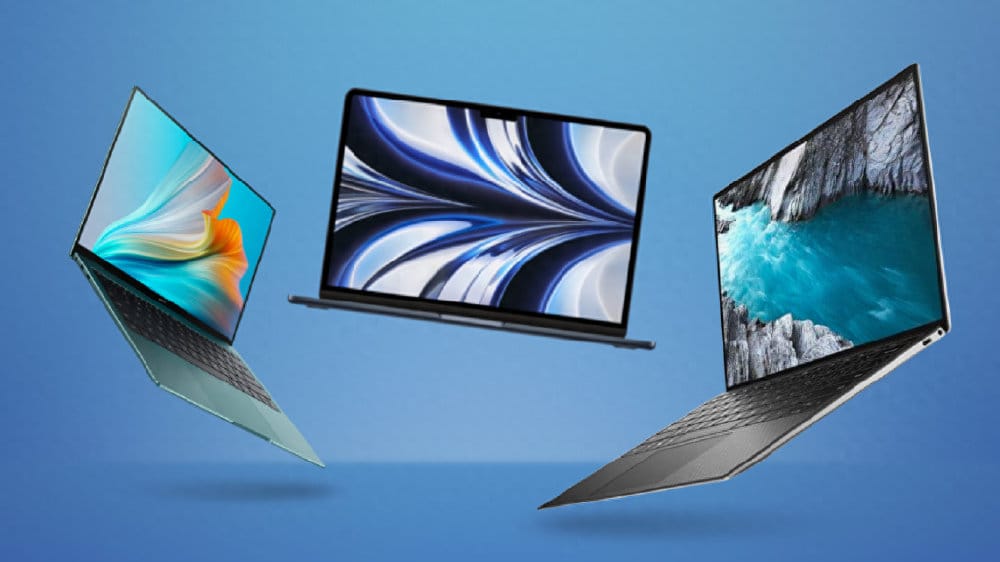
A fast-tightening shortage of memory chips, intensified by the surge in artificial intelligence demand, is forcing the global PC industry into broad-based price hikes that are already reshaping what buyers pay — and what manufacturers can ship — in 2026.
Top computer brands including Lenovo Group, HP, Dell Technologies, ASUSTeK Computer, and Acer are lifting prices by as much as 25% or considering additional increases, as executives warn that swelling component costs are becoming impossible to absorb through margins or product downgrades.
The push is starting to show up in flagship models. Apple Inc. has raised prices on its latest high-end MacBook Pro line while planning to keep entry-level models unchanged, highlighting a strategy increasingly shared across the sector: protect volume at the low end, and pass costs through where customers are least price-sensitive.
Manufacturing partners, meanwhile, are signaling that the squeeze is not a short-lived disruption. The result is a growing risk that higher prices and constrained supply will curb demand and weigh on global shipments this year, even as inventories in some markets delay the full impact at retail.
Price Increases Spread Across Major Brands
ASUSTeK said in January it would raise prices for all its notebooks, including gaming laptops, by about 15% to 25%. Acer followed in February, announcing 10% to 20% increases on some models.
Lenovo and Dell have already moved on premium business notebooks, raising prices in January by 20% and 25%, respectively, according to people familiar with the matter. HP’s chief financial officer has also said the company has had to lift product prices because of the surge in memory costs.
Apple has also raised the prices of its high-end laptops. The new MacBook Pro with the M5 Pro chip starts at $200 higher than the previous-generation model released at the end of 2024, while the top-of-the-line M5 Max model starts at $3,899, which is $400 more than its predecessor.
Memory Costs Jump 50% to 100%, Forcing Pass-Through
Acer Chairman Jason Chen said late last month that memory and storage chip costs have climbed 50% to 100%, leaving the world’s sixth-largest PC maker with no choice but to reflect those increases in pricing.
Jeff Lin, an analyst at Omdia, said the industry has reached a point where price increases are a necessity rather than a choice. Without higher prices, he said, manufacturers cannot sustain operations amid the scale of cost inflation.
Even so, the pass-through will not be uniform. Suppliers, channel partners and retailers are expected to absorb part of the increase, and many brands still rely on existing inventory — meaning some end markets have yet to fully reflect the higher underlying component costs.
Demand Risk Builds as Partners Warn of Shipment Declines
The price reset is raising concerns among the companies that build many of the world’s laptops. Wistron Corp. and Compal Electronics both said they worry higher prices will dampen end-market demand.
Wistron Chief Executive Officer Lin Chien-hsun described a “double hit” from memory shortages and rising prices, warning it could lead to a decline in global PC shipments this year. He said he would not forecast for 2026 because even customers are unsure how to estimate demand. Wistron focuses on mid- to high-end and commercial PCs.
Omdia estimates worsening supply conditions could shrink the notebook market by as much as 12.5% in 2026.
Supply Constraints May Persist Into 2027
Compal President Anthony Peter Bonadero said he expects parts supply restrictions to last at least through 2026 and potentially into 2027, signaling a prolonged period of elevated component costs and tighter availability.
Separately, Lite-On Technology Corp.— a major power-supply provider — said conflict in the Middle East could further weaken the consumer electronics market, adding another layer of uncertainty just as PC makers attempt to recalibrate pricing and production plans.